Africa’s Resource Power Plays: Oil Risks, Mining Expansion and Rising Resource Nationalism

Africa’s competition over energy resources, minerals and export infrastructure is intensifying as governments and companies reposition themselves in the global commodities market. Recent developments highlight how geopolitical tensions, new mining investments and resource nationalism are reshaping the continent’s resource landscape.
Oil Supply Risks Raise Concerns
Fuel-importing African economies are closely watching developments in the Middle East, where tensions involving Iran, the United States and Israel could disrupt key oil shipping routes. One of the most critical corridors is the Strait of Hormuz, through which a large share of global oil supplies passes.

Any disruption to this route could tighten global energy supplies and push fuel prices higher. Governments across Africa are therefore monitoring shipments closely to ensure domestic fuel security.
In Kenya, regulators are tracking a fuel tanker expected to load petroleum products in the Red Sea before heading to the Port of Mombasa, the region’s largest fuel distribution hub. Officials say the country currently has sufficient reserves, but delays in tanker loading could affect supply across East Africa.
Further south, South Africa is preparing motorists for possible fuel price increases as geopolitical uncertainty and higher shipping costs influence global oil markets.
Mining Investments Expand Across Africa
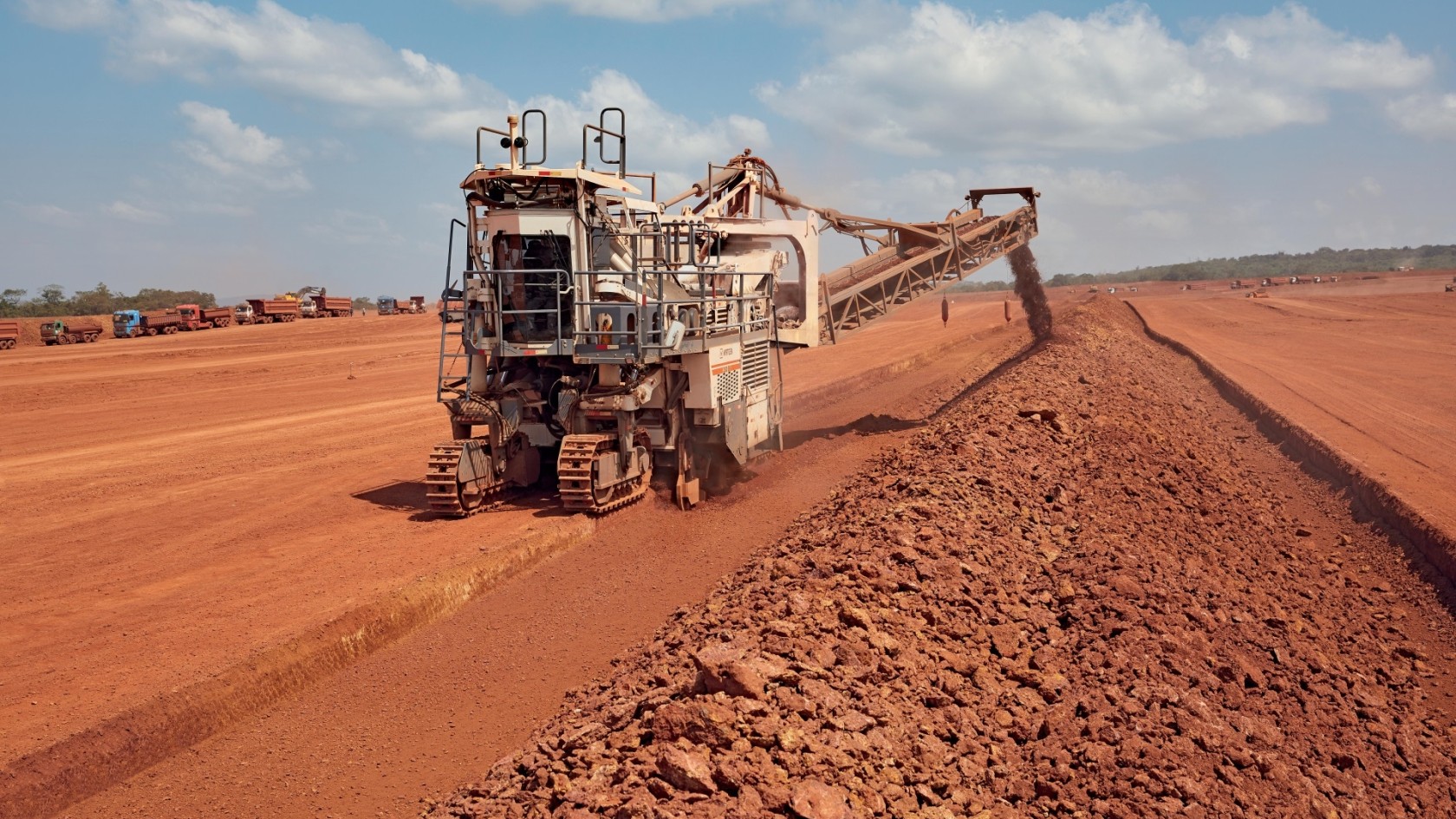
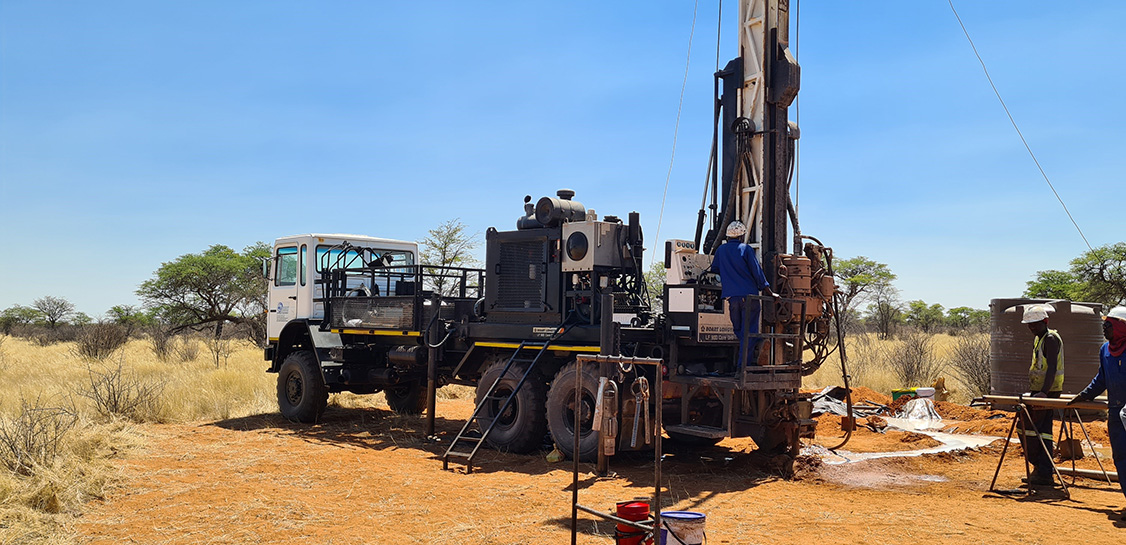
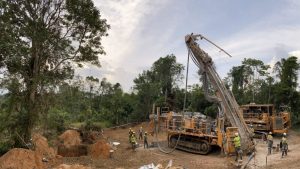
At the same time, Africa’s mining sector is attracting new investment as countries seek to capitalize on rising global demand for critical minerals used in manufacturing and energy technologies.
The continent holds vast mineral resources and is expected to play an increasingly important role in supplying metals required for the global energy transition. African deposits include key minerals used in batteries, renewable energy systems and industrial production.
Governments and mining companies are therefore expanding infrastructure and production capacity to capture growing demand.
Resource Nationalism Reshapes the Sector
Another emerging trend is the rise of resource nationalism, where governments seek greater control over their natural resources and a larger share of mining or energy revenues.
In parts of the Sahel region, governments are increasingly reviewing mining contracts and strengthening state oversight of extractive industries as they attempt to maximise economic benefits from their resource wealth.
While such policies can help governments capture more revenue, analysts warn that they can also create uncertainty for investors if regulatory frameworks become unpredictable.
Africa’s Strategic Role in Global Commodity Markets
Africa’s abundant natural resources place the continent at the centre of global competition for energy and minerals.
The continent holds significant shares of global reserves of key commodities, including manganese, cobalt, platinum, gold and phosphates, making it a vital supplier to global manufacturing and energy markets.
As geopolitical tensions and demand for critical minerals grow, Africa’s resource sectors are expected to play an even greater role in shaping global supply chains.
Share this content: