Tanzania’s Panda Hill Niobium Project Positions Africa in the Global Critical Minerals Race
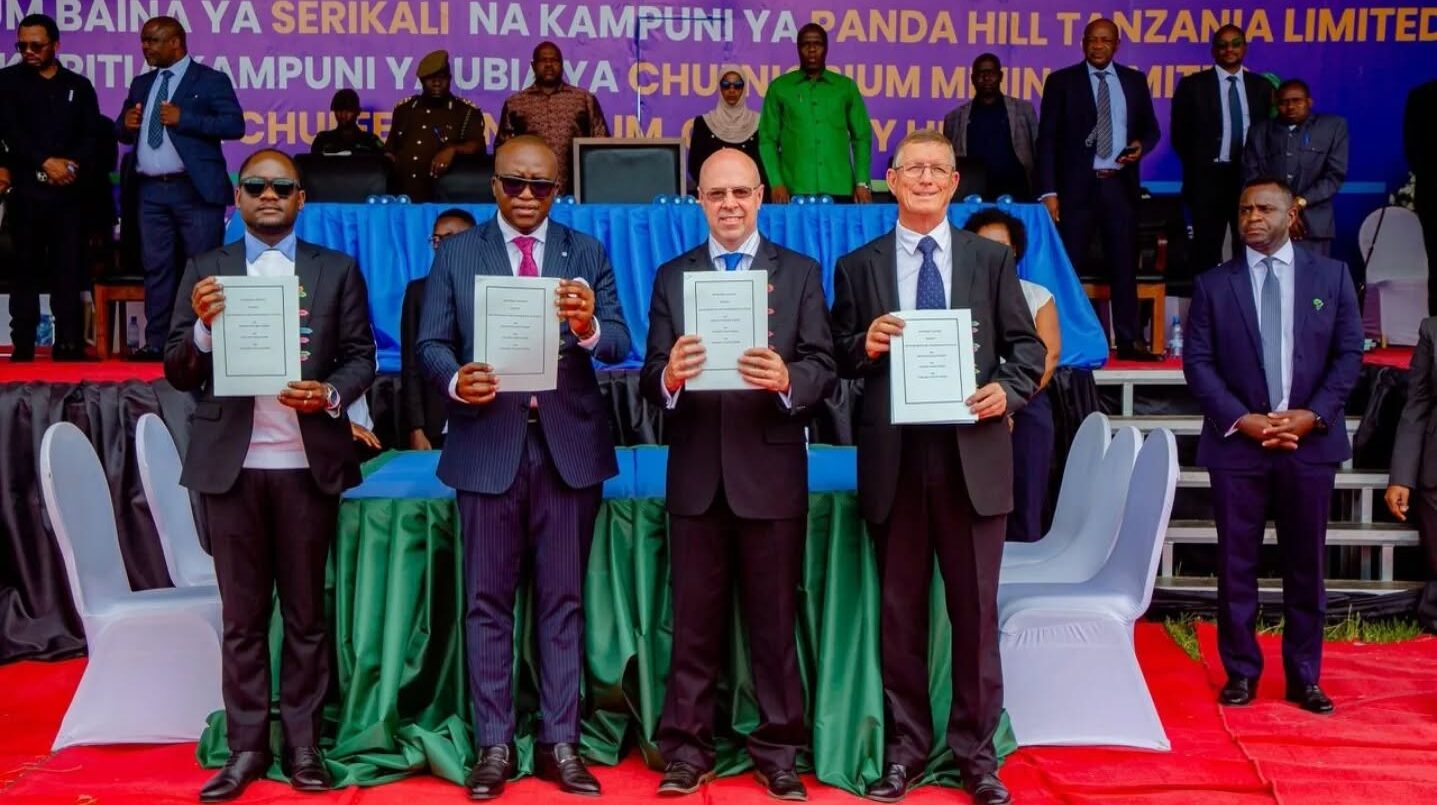
In the mineral-rich highlands of Mbeya, southern Tanzania, the Panda Hill Niobium Project is emerging as a transformative development that could redefine Africa’s role in the global mining landscape.
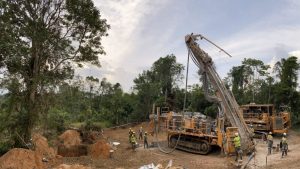
As construction activity intensifies, the project is attracting attention not only for its scale but for its potential to position Tanzania as a key supplier of critical minerals essential for the global energy transition.
A Strategic Breakthrough for Tanzania’s Mining Sector

At the official signing of the large-scale mining agreement, Anthony Mavunde described Panda Hill as a “historic leap” for the country’s industrial ambitions.
The project is being developed by Panda Hill Tanzania Ltd, in partnership with Tremont Investments and backed by U.S.-based Denham Capital.
With an estimated $250 million investment, Panda Hill is expected to significantly boost Tanzania’s mining output while accelerating value addition within the country.
Why Niobium Matters in the Global Economy
Niobium is a strategic mineral used to strengthen steel and enhance performance in advanced technologies. It plays a vital role in industries such as renewable energy, aerospace, electric vehicles, and medical equipment.
Even in small quantities, niobium improves durability, reduces weight, and increases resistance to extreme conditions—making it indispensable in modern engineering.
Currently, global production is dominated by Brazil, which supplies about 85% of the world’s niobium, followed by Canada and China. Africa has historically played a minimal role—until now.
Tanzania Set to Become a Top Global Producer
Once operational in 2027, Panda Hill is projected to produce between 4,000 and 5,000 tonnes of niobium annually, representing roughly 5% of global supply. This would position Tanzania among the top four producers worldwide.
The project spans over 22 square kilometres and includes a ferroniobium smelting plant, ensuring that processing and value addition take place locally rather than exporting raw materials.
This aligns with Tanzania’s broader strategy to retain more value within its mining sector and increase mining’s contribution to GDP to 10% by 2030.
Economic Impact: Jobs, Skills and Industrial Growth
Panda Hill is expected to create around 600 direct jobs, alongside thousands of indirect opportunities in sectors such as logistics, construction, and services.
The project also includes community-focused investments, ranging from housing and education facilities to infrastructure development, aimed at improving livelihoods in surrounding areas.
Importantly, the initiative is targeting 40% female participation, reflecting a growing emphasis on inclusivity in Africa’s mining workforce.
Balancing Mining Growth with Environmental Responsibility
While the project has generated optimism, it has also raised environmental considerations. Developers have committed to sustainable mining practices, including zero-discharge water systems, land rehabilitation, and reduced chemical processing techniques.
These measures are designed to minimise environmental impact while ensuring long-term ecological balance.
A Critical Role in the Energy Transition
As global demand for critical minerals rises, niobium is gaining importance in the shift toward cleaner energy systems. Demand is expected to double by 2035, driven by growth in electric mobility, renewable energy, and advanced manufacturing.
Tanzania’s entry into the niobium market could help diversify global supply chains and reduce dependence on a few dominant producers.
Beyond Extraction: A New Development Model
The Panda Hill project reflects a broader shift in Africa’s mining sector—from raw material exports to value-added industrialisation.
With policies promoting local ownership, skills transfer, and transparency, Tanzania aims to ensure that mineral wealth translates into long-term economic development rather than short-term gains.
Conclusion
The Panda Hill Niobium Project marks a turning point not just for Tanzania, but for Africa’s position in the global mining economy. By combining resource wealth with value addition, sustainability, and inclusive growth, the project sets a new benchmark for how critical minerals can drive industrial transformation across the continent.
Share this content: