Ghana Introduces New Gold Royalty System to Increase Mining Revenue

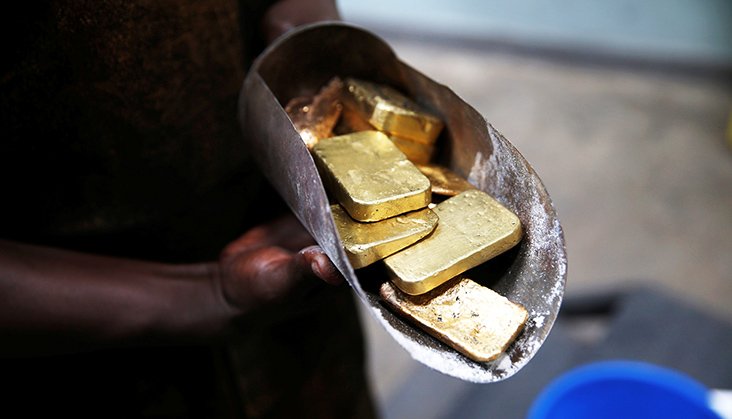
Ghana is moving ahead with a new sliding-scale gold royalty system aimed at increasing government revenue from the mining sector while maintaining the country’s attractiveness to global investors.
The new policy, expected to take effect this week, represents one of the most significant reforms to Ghana’s mining taxation framework in recent years. Authorities say the move will allow the government to capture a greater share of profits as global gold prices continue to rise.
Officials note that the reform reflects a broader trend across Africa, where governments are reviewing mining policies to secure greater economic benefits from natural resources.

Ghana Shifts From Flat Gold Royalties to Price-Linked System
Under the current framework, gold mining companies operating in Ghana pay a flat 5% royalty on production.
The new system introduces a price-linked sliding scale, allowing the government to collect higher royalties when gold prices rise on global markets.
Under the proposed structure, royalties could increase to as much as 12% if gold prices reach around $4,500 per ounce. With gold currently trading above $5,000 per ounce, the policy could significantly boost state revenues.
The reform also introduces a similar sliding-scale royalty structure for lithium, ranging between 5% and 12%, depending on market prices between $1,500 and $3,200 per metric ton. Other minerals will continue to be taxed at the existing 5% flat rate.
Government Says Reform Has International Support
According to the country’s mining regulator, the policy has attracted international attention but has not faced strong opposition.
Isaac Tandoh, head of the Minerals Commission, said several diplomatic missions had raised questions about the maximum 12% royalty rate, but broadly supported the idea of revising the system.
“They are not against the review in principle,” Tandoh noted, adding that some governments suggested delaying the highest royalty threshold until gold prices rise above $5,000 per ounce.
Ghanaian authorities, however, believe the current structure strikes a balanced approach between government revenue and mining industry profitability.
Mining Companies Warn of Investment Risks
Despite the government’s assurances, several mining companies and industry groups have expressed concern about the potential impact of higher royalties on long-term investment.
Executives from major global mining firms say the new framework could reduce Ghana’s competitiveness compared with other mining jurisdictions.
The Ghana Chamber of Mines has also warned that higher royalties could discourage exploration and delay future mining projects.
Its chief executive, Kenneth Ashigbey, said stable and predictable fiscal conditions are essential for attracting the large-scale investments required in the mining sector.
Resource Nationalism Rising Across Africa
Ghana’s royalty reform reflects a broader resource nationalism trend across Africa, where governments are seeking a larger share of revenues from natural resource extraction.
Several African countries have recently reviewed mining contracts, royalty structures, and taxation policies to ensure that the economic benefits of resource extraction are more widely shared domestically.
As global demand grows for metals and minerals used in energy transition technologies, governments across the continent are reassessing how best to balance foreign investment with national development goals.
Gold Remains Central to Ghana’s Economy
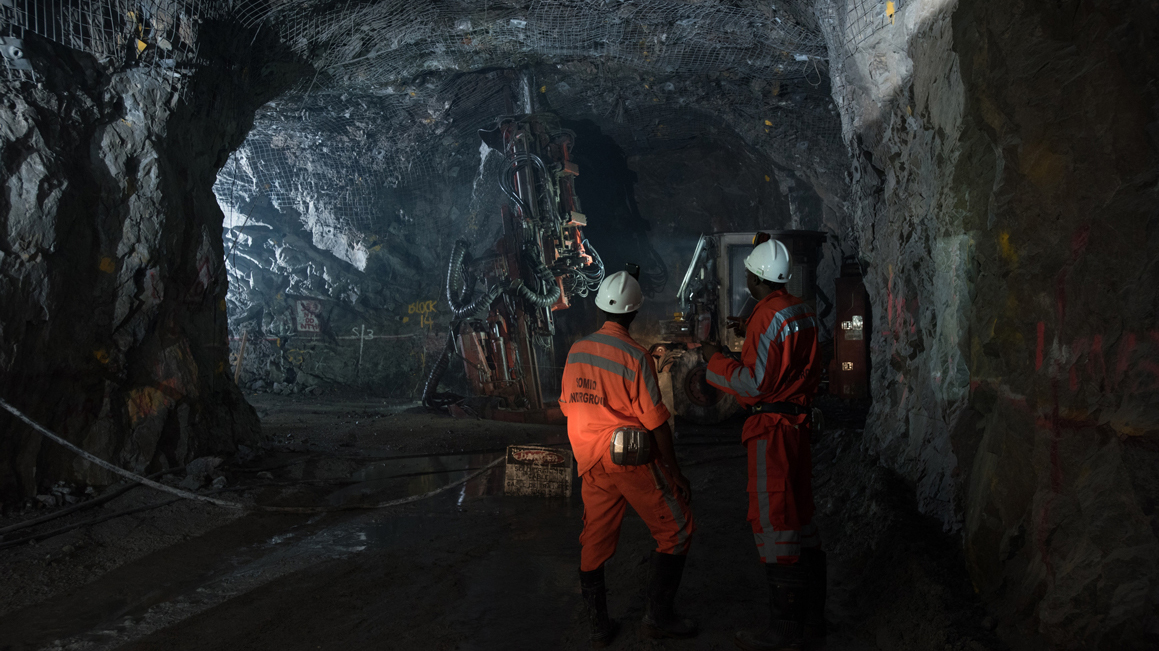
Mining remains a cornerstone of Ghana’s economy, with gold exports playing a critical role in foreign exchange earnings and government revenue.
As Africa’s largest gold producer, Ghana relies heavily on the sector for economic stability and growth.
With global gold prices continuing to climb, policymakers say the new royalty framework will ensure that national revenues increase in line with mining profits, while still maintaining Ghana’s reputation as a leading mining investment destination in Africa.
Share this content: