Africa’s Alumina Boom Signals a New Era of Mining Value Creation
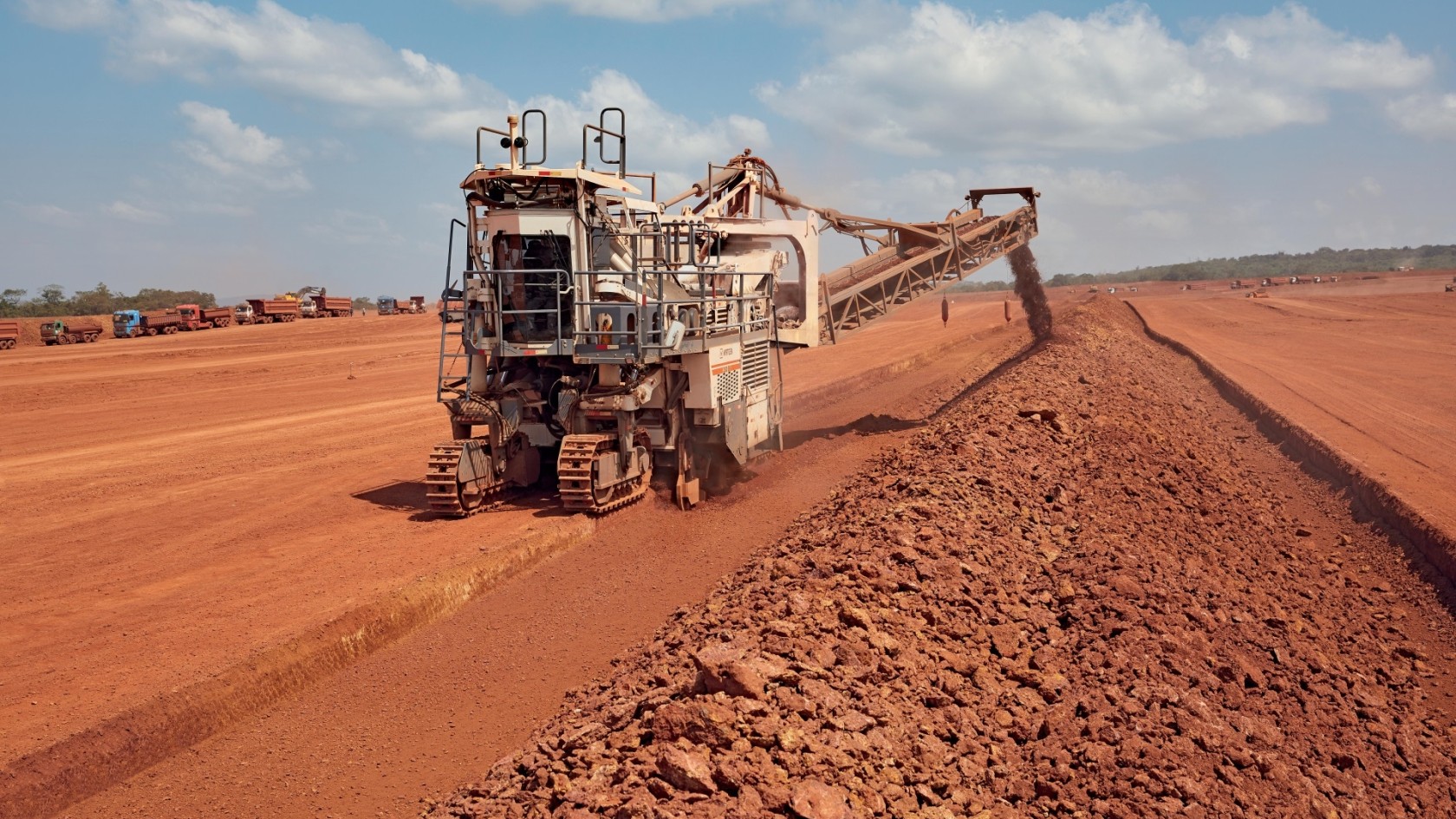
Africa is entering a new phase in its mining evolution, as countries rich in bauxite begin shifting from raw material exports to local alumina refining—a move that could significantly boost industrialisation and economic value creation across the continent.
Despite holding nearly 30% of global bauxite reserves, Africa currently contributes less than 1% of global alumina production. This imbalance highlights a major opportunity: capturing more value within the continent by processing raw ore into higher-value products used in aluminium production.
From Resource Exporter to Industrial Player

The push toward alumina refining reflects a broader strategy to transform Africa from a commodity exporter into an industrial and manufacturing hub. With the global alumina market projected to reach $67 billion by 2032, the stakes are high.
Countries are increasingly investing in refining capacity, supported by partnerships with international investors and a growing alignment between mining and energy strategies. These projects are not only about exports—they are about building domestic industries, creating jobs, and strengthening supply chains.
Nigeria Drives Gas-Powered Refining
Nigeria is leading this shift with plans for its first large-scale alumina refinery, backed by $1.3 billion in financing. The facility is expected to produce one million tonnes per year and contribute significantly to GDP over its lifespan.
By leveraging domestic gas resources, the project aligns with national efforts to link energy security with industrial growth, while also supporting the government’s ambition to expand mining’s contribution to the economy.
Guinea and Ghana Scale Up Capacity
Guinea, already one of the world’s top bauxite producers, is pursuing an ambitious plan to develop multiple alumina refineries by 2030. Backed by global players such as Chinalco and Alcoa, the country is aiming to significantly expand its refining output and retain more value domestically.
Ghana is following a similar path, targeting millions of tonnes in refining capacity through international partnerships, while also strengthening its position within the regional aluminium value chain.
A Continental Shift Toward Value Addition
This growing wave of refinery projects signals a structural shift in Africa’s mining sector. Rather than exporting raw bauxite, countries are focusing on downstream processing, which offers:
- Higher export revenues
- Increased job creation
- Development of local industries and supply chains
It also aligns with broader continental goals under frameworks like the African Continental Free Trade Area, which aim to boost intra-African trade and industrial integration.
Investment Momentum Builds
Events such as African Mining Week 2026 are expected to play a key role in accelerating this momentum by connecting investors, developers, and policymakers.
As governments refine policies and improve infrastructure, alumina refining is emerging as one of the most bankable and scalable opportunities in Africa’s mining sector.
The Bigger Picture
Africa’s alumina push represents more than a sectoral shift—it signals a redefinition of the continent’s role in global supply chains. By moving downstream, African countries can capture greater economic value from their natural resources while reducing dependence on volatile commodity exports.
If successfully executed, this strategy could transform bauxite-rich nations into regional industrial hubs, anchoring long-term growth and positioning Africa as a key player in the global aluminium market.
Share this content: