Kameelburg Project Delivers 603m of Continuous Mineralisation, Boosting Namibia’s Critical Minerals Outlook
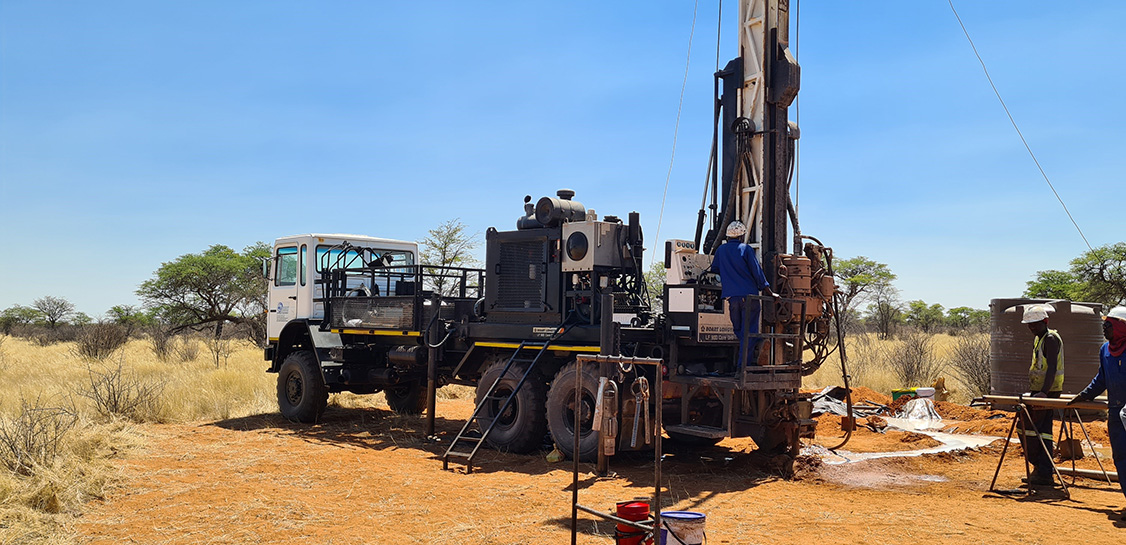
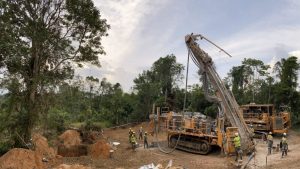
The Kameelburg project in Namibia is gaining renewed attention after delivering 603 metres of continuous mineralisation, marking a significant milestone in the development of one of Africa’s most promising critical minerals assets.
According to recent reports, the mineralised zone averages around 2.4% strontium carbonate (SrCO₃), with higher-grade sections identified within the deposit—an encouraging signal for future resource expansion and commercial viability.
A Breakthrough for Resource Scale and Continuity

The standout feature of the latest results is not just the grade, but the scale and continuity of mineralisation. A 603-metre continuous intercept suggests a large, consistent ore body—an important factor in determining the long-term economics of any mining project.
This kind of geological continuity can:
- Reduce operational complexity
- Support large-scale extraction
- Improve overall project efficiency
For investors and developers, it strengthens confidence that Kameelburg could evolve into a long-life mining operation.
Strategic Importance in the Critical Minerals Space
The Kameelburg project is already recognised as a major rare earths and niobium asset, with previous assessments placing it among the largest deposits of its kind in Africa.
Located in Namibia’s mineral-rich Damara Belt, the project targets materials essential for modern technologies, including:
- Renewable energy systems
- Electric vehicles
- Advanced electronics
As global demand for these minerals accelerates, projects like Kameelburg are becoming increasingly strategic—not just for Africa, but for global supply chains.
Namibia’s Growing Role in Global Mining
The latest exploration success reinforces Namibia’s position as an emerging hub for critical minerals development. The country offers:
Stable mining regulations
Established infrastructure links (including access to Walvis Bay port)
A track record of large-scale mining projects
These advantages, combined with high-quality deposits, are attracting increased international interest.
What Comes Next
While the results are promising, the project remains in the exploration and development phase. The next steps will likely include:
- Further drilling to expand and define the resource
- Metallurgical testing
- Economic feasibility studies
The focus will be on converting geological potential into a bankable mining project.
The Bigger Picture
The 603-metre mineralisation result is more than a technical milestone—it signals the growing importance of Africa in the global critical minerals race.
As demand rises for rare earths and associated minerals, projects like Kameelburg could play a pivotal role in:
- Diversifying global supply chains
- Supporting the energy transition
- Driving economic growth in resource-rich African countries
If successfully developed, Kameelburg may become one of the continent’s standout mining assets—anchoring Namibia’s position in the next generation of mineral production.
Share this content: