Digital Shift Becomes an Operational Imperative in African Mining
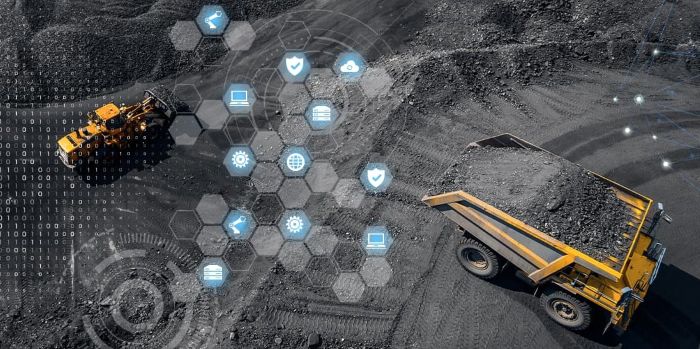
Across Africa’s mining sector, the transition from analogue to digital systems is no longer optional—it has become a critical requirement for efficiency, safety, and competitiveness.
From South Africa to Zambia and the Democratic Republic of Congo, mining operations are increasingly adopting digital technologies to navigate tighter margins, stricter regulations, and rising environmental and social expectations.
Pressure Driving Digital Transformation

Mining remains a cornerstone of many African economies. In South Africa alone, the sector contributes over 6% to GDP and supports significant employment and export revenues. However, traditional paper-based systems are proving inadequate in today’s complex operating environment.
Delayed reporting, fragmented data, and limited operational visibility have exposed inefficiencies that digital tools are now addressing. Companies are under growing pressure to improve productivity while maintaining compliance and sustainability standards.
Efficiency, Safety, and Real-Time Insights
Digital transformation is already delivering measurable benefits across mining operations. Real-time data capture and monitoring systems are improving asset utilisation, enabling predictive maintenance, and enhancing decision-making.
Technologies such as rugged mobile devices and tracking systems—adapted from industries like logistics—are being deployed directly at mine sites. These tools allow workers to input data at the source, reducing delays and improving accuracy.
When integrated into enterprise systems, they create continuous data flows between operations and management, strengthening inventory control, asset tracking, and responsiveness to operational challenges. This not only reduces downtime but also reinforces safety protocols.
Challenges in Harsh Operating Environments
Despite its advantages, digitalisation in mining comes with challenges. Equipment reliability is critical, particularly in extreme environments where system failures can disrupt operations and pose safety risks.
Adoption also varies widely. Established mines often begin with pilot projects, while newer operations are embedding digital systems from the outset. Success depends not just on technology, but on workforce readiness, organisational processes, and infrastructure.
In regions with limited connectivity, hybrid systems that support offline functionality are essential to ensure continuity.
A Shift Toward Data-Driven Mining
Beyond operational improvements, digital transformation is supporting broader goals such as transparency, regulatory compliance, and resource efficiency. However, uneven access to technology and digital skills remains a concern, particularly for long-term workforce development.
Still, the direction is clear. African mining is steadily evolving into a data-driven industry, where digital tools underpin decision-making and operational performance.
Outlook
As the sector adapts to global demand for critical minerals and rising sustainability expectations, digitalisation will play a defining role in shaping its future.
While progress remains uneven, the shift toward digital systems marks a fundamental transformation in how mining operations are managed across Africa—one that is set to accelerate in the years ahead.
Share this content: