Mali’s Gold Crackdown Deepens as Authorities Detain Mine Officials
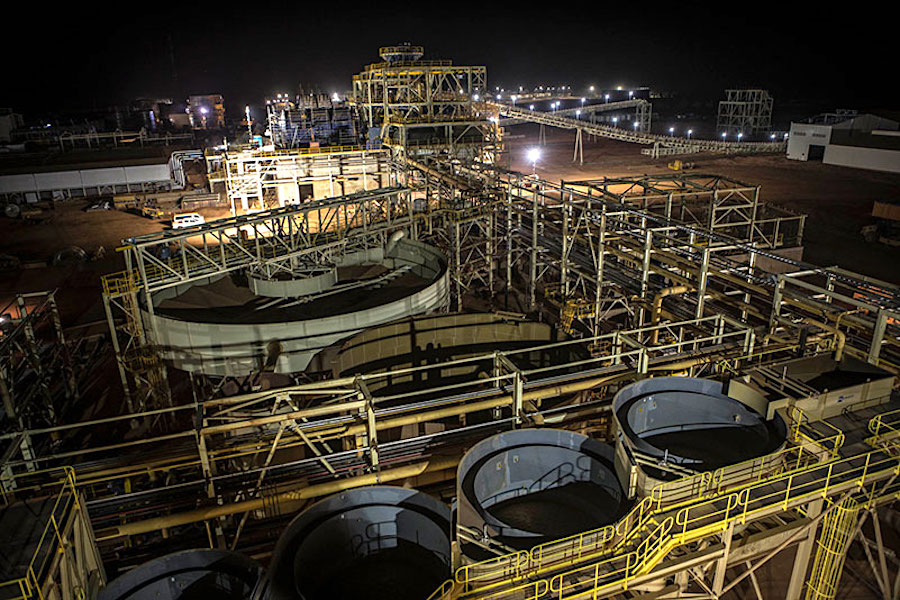
Authorities in Mali have detained five senior managers linked to the operator of the Yanfolila gold mine, marking a further escalation in the government’s enforcement of its revised mining regulations.
According to sources familiar with the matter, the detained executives are employees of Société des Mines de Komana (SMK) and are accused of failing to repatriate foreign currency earned from export revenues—an obligation under Mali’s updated mining code introduced in 2023.
Stricter Enforcement of 2023 Mining Code

The detentions underscore Mali’s increasingly hardline stance toward the extractive sector following sweeping reforms to its mining legislation. The 2023 mining code raised taxes on mining operations, strengthened foreign exchange controls, and increased state participation in mining assets.
Since the reforms came into force, authorities have stepped up enforcement, leading to disputes with several international operators. One of the most high-profile cases involved a prolonged standoff with Barrick Mining, which was resolved through an agreement reached in November 2025.
In December, the Malian government announced it had recovered approximately 761 billion CFA francs (about $1.2 billion) in previously unpaid or underreported revenues from mining companies, signalling a clear shift toward assertive resource governance.
Ownership Changes at Yanfolila
At Yanfolila, ownership has also evolved. In 2025, West Africa-focused lender Coris Bank International, through its subsidiary Nioko Resources, acquired the mine from Hummingbird Resources.
The mine produced 83,965 ounces of gold in 2023 and is estimated to hold reserves of approximately 493,000 ounces. In line with the revised mining code, Mali increased its stake in SMK to 20% in 2025.
Part of a Broader African Trend
Mali’s actions reflect a wider shift across Africa, where governments are tightening control over strategic mineral resources. Countries such as Burkina Faso, Niger, Guinea, and Zimbabwe have revised mining laws in recent years to increase state ownership, raise royalties, and enforce stricter foreign exchange requirements.
Officials across the continent argue that earlier liberal mining regimes delivered limited economic benefits locally and failed to adequately support national development goals.
Investor Implications
For investors, the detentions highlight rising regulatory and political risk in Africa’s mining sector, particularly in jurisdictions pursuing greater resource nationalism.
For governments such as Mali’s, however, tougher enforcement is framed as a means of reclaiming economic sovereignty, ensuring revenue repatriation, and capturing greater value from natural resources amid fiscal pressure and shifting geopolitical alignments.
Share this content: