Africa Charges Ahead with Electric Mining as Global EV Debate Continues

While the United States continues to debate the pace of electric vehicle (EV) adoption, Africa is rapidly embracing electrification in one of its most critical sectors—mining. A major new deal by Epiroc underscores this shift, positioning the continent as an unexpected leader in industrial-scale clean technology adoption.
Major Electric Drill Rig Deal Signals Shift
Sweden-based Epiroc has secured a contract worth approximately $40 million to supply Pit Viper 275 E electric blast hole drill rigs to an undisclosed African mining customer.

These rigs represent the next generation of mining equipment:
- Fully electric-powered, eliminating on-site emissions
- Capable of remote and autonomous operation
- Designed to improve worker safety and operational efficiency
According to CEO Helena Hedblom, the deal marks a significant step toward enabling safer, more productive, and climate-friendly mining operations. Delivery and deployment are expected by the end of 2027.
Africa’s Electrification Momentum
Across the continent, multiple countries are accelerating electrification—often faster than more developed economies.
Ethiopia Leads with Bold Policy
Ethiopia made headlines by banning the import and sale of new internal combustion engine (ICE) vehicles, a decisive move that leapfrogs traditional automotive transitions.
Zambia Electrifies Mining
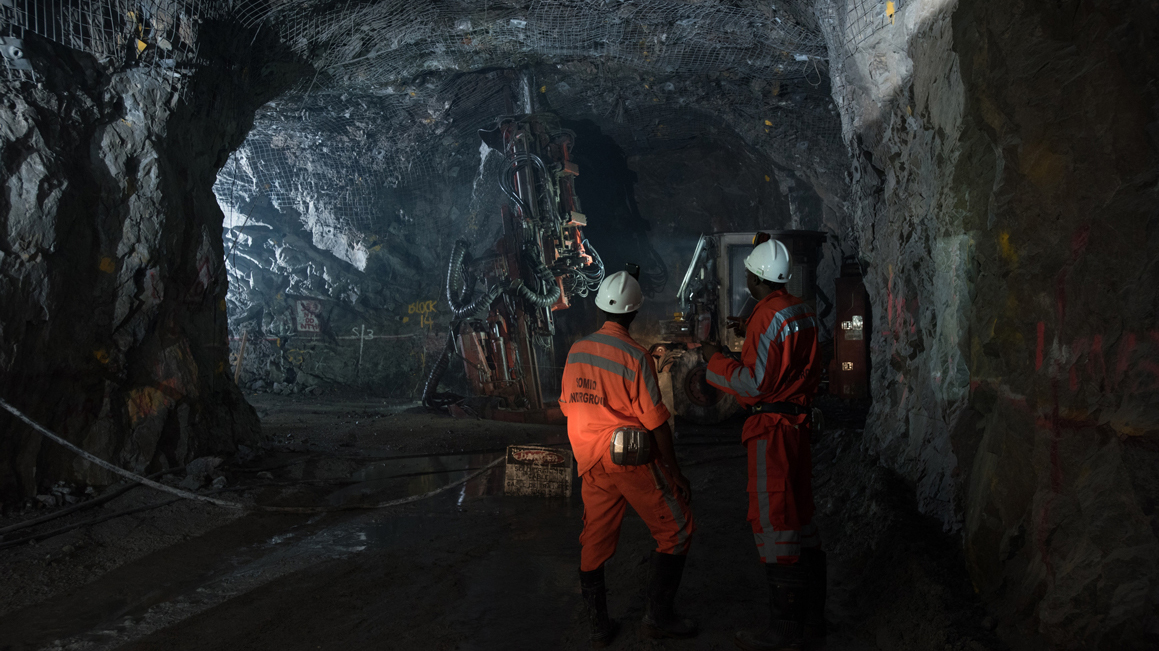
Zambia is deploying battery-electric mining trucks, including units supplied through Chinese partnerships, to modernize its copper mining sector. These efforts are critical as the country ramps up production to meet global demand for energy transition minerals.
Backed by up to $5 billion in pledged investment from China into copper and cobalt projects through 2031, Zambia is positioning itself as a cornerstone of the global clean energy supply chain.
Why Africa Is Moving Faster
Africa’s rapid progress in mining electrification is driven by a unique combination of factors:
Less entrenched fossil fuel infrastructure, making transition easier
Abundant solar energy potential to power electric operations
Strong global demand for critical minerals like copper and cobalt
Opportunity to leapfrog legacy technologies
Rather than retrofitting outdated systems, many African operations are adopting electric and automated solutions from the outset.
Strategic Importance of Electric Mining
Electrification in mining goes beyond environmental benefits—it directly impacts productivity and economics:
- Reduced fuel and maintenance costs
- Improved air quality and worker health
- Enhanced automation and operational precision
- Lower carbon footprint, aligning with ESG goals
For countries like Zambia, where mining drives economic growth, these improvements are essential to remain competitive in a decarbonizing global economy.
A Glimpse Into the Future of Mining
The Pit Viper 275 E rigs are part of a broader transformation where mining becomes:
- Cleaner (zero on-site emissions)
- Smarter (autonomous and data-driven)
- More efficient (lower operating costs and downtime)
As global demand for battery minerals rises, Africa’s early adoption of electric mining technologies could give it a long-term strategic advantage.
The Bigger Picture
The contrast is becoming clearer: while some regions debate the transition, others are implementing it at scale. Africa’s push into electric mining—supported by companies like Epiroc and strong international partnerships—signals a shift in where innovation leadership can emerge.
In the race toward a cleaner industrial future, Africa is no longer catching up—it’s helping set the pace.
Share this content: