Kenya Pushes Regional Strategy to Build African Mineral Value Chains

African governments are stepping up efforts to retain more value from their vast mineral wealth, with William Ruto calling for coordinated regional action to shift the continent away from exporting raw materials.
Speaking at the inaugural Kenya Mining Investment Conference & Expo in Nairobi, Ruto announced that Kenya will move to end exports of unprocessed mineral ore, joining a growing list of African nations seeking to build domestic and regional value chains.
“For too long we have exported raw materials at the bottom of the value chain while others captured the greater share of economic value,” Ruto said, outlining a strategy to process, refine and manufacture minerals within Africa.

Shift toward value addition
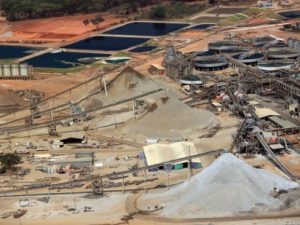
Kenya’s policy direction reflects a broader continental trend. More than a dozen African countries—including Zimbabwe, Nigeria and Malawi—have introduced export bans or restrictions on raw minerals in an effort to boost local processing, create jobs and increase revenues.
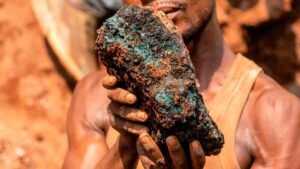
Africa holds around 30% of global critical mineral reserves, including lithium, cobalt and copper—key inputs for electric vehicles, renewable energy systems and battery technologies. Yet the continent captures less than 1% of the value generated from global clean energy supply chains, highlighting a major structural imbalance.
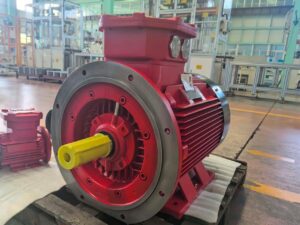
In Kenya, the government is also seeking investment to develop a rare earth deposit estimated at $62 billion, as it positions itself within the fast-growing market for minerals used in electric motors and wind turbines.
Export bans under scrutiny
While export restrictions are gaining traction, they remain controversial. A recent report by the Organisation for Economic Co-operation and Development shows that such measures have increased more than five-fold globally since 2009.
Critics argue that bans can distort markets, reduce export volumes and deter investment if not supported by adequate infrastructure and competitive processing conditions.
Analysts warn that without reliable energy, transport networks and skilled labour, restrictions may discourage mining activity rather than stimulate local beneficiation. In some cases, companies may scale back operations instead of investing in costly downstream facilities.
Structural barriers persist
Experts point to several key challenges limiting Africa’s ability to industrialise its mineral sector.
Infrastructure gaps remain a major constraint, particularly in power supply, rail networks and water access—critical inputs for processing and refining. Skills shortages, especially in engineering and technical fields, further complicate efforts to move up the value chain.
Logistics also present hurdles. While some countries have relatively strong road networks, many mining regions still lack the rail and port capacity needed to support large-scale industrial operations and exports of processed materials.
Regional coordination gains momentum
Increasingly, policymakers are recognising that national approaches alone may not be sufficient.
Through initiatives such as the Africa Minerals Strategy Group, nearly 20 African governments are working to align policies, coordinate investment and develop shared infrastructure to support mineral value chains.
Regional cooperation could allow countries to specialise across different stages of production—mining, refining and manufacturing—while pooling resources to overcome domestic constraints.
For example, one country could host smelting facilities, while another provides transport corridors and port access, creating integrated regional supply chains rather than fragmented national systems.
AfCFTA seen as critical enabler
The success of this strategy will depend heavily on the effective implementation of the African Continental Free Trade Area, which aims to facilitate intra-African trade and industrial integration.
By reducing trade barriers and harmonising regulations, AfCFTA could provide the foundation for cross-border mineral processing and manufacturing networks.
Outlook
Africa’s push to retain more value from its minerals marks a significant shift in economic strategy. However, experts caution that export bans alone will not deliver transformation.
Instead, success will depend on coordinated regional action, sustained investment in infrastructure and skills, and the creation of competitive industrial ecosystems.
As global demand for critical minerals accelerates, the question is no longer whether Africa can move up the value chain—but whether it can do so fast enough, and collectively enough, to capture a meaningful share of the energy transition economy.
Share this content: