Mining Power Demand in Africa is Reshaping Energy Investment Strategies

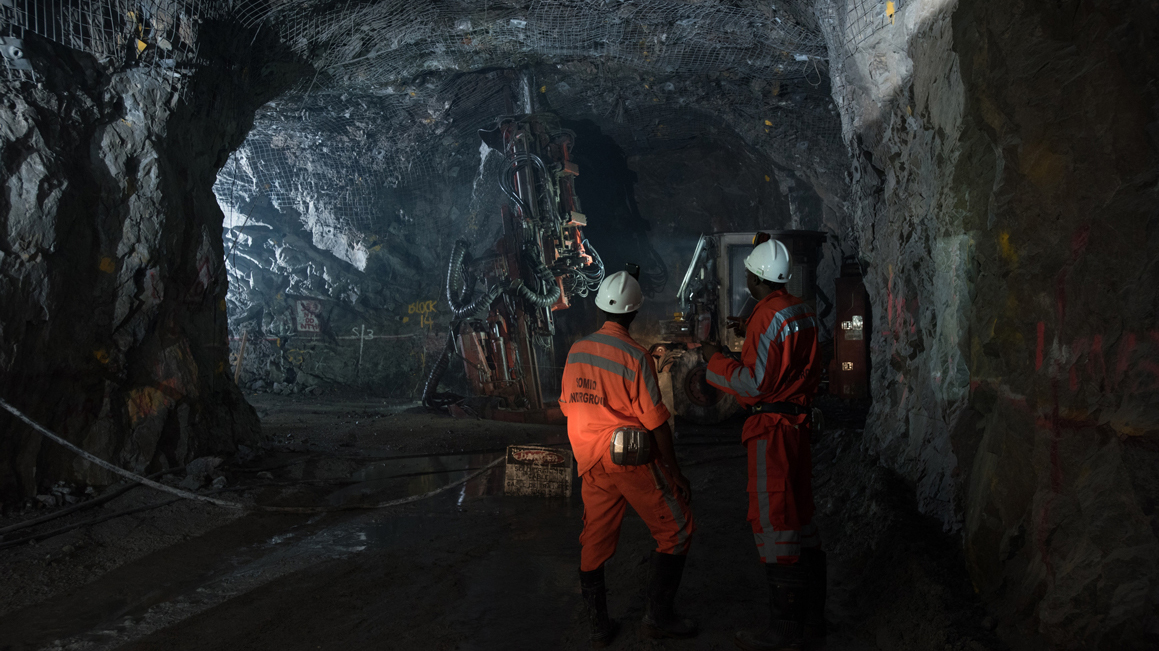
Mining companies across Africa are rapidly expanding investments in both captive power generation and grid-linked energy infrastructure as unreliable electricity supply increasingly threatens mineral production and processing operations.
A review of 25 publicly announced mining-related energy projects across 10 African countries through November 2025 reveals a major shift in how mining operators are securing power, with firms increasingly hedging against grid instability through parallel energy systems rather than abandoning national grids entirely.
The findings, published by Meron Tesfaye and Daniel Johansson under the “Shaping Energy Transitions” initiative, suggest Africa’s mining energy demand is significantly larger than publicly quantified, while policymakers and utilities continue operating with limited visibility into the sector’s evolving electricity needs.

Mines balancing self-generation with grid connectivity
Of the 15 generation projects identified in the review, eight were fully captive systems developed for mines’ own use, while seven were connected to national grids. In parallel, 10 transmission projects were planned specifically to link mining operations to regional electricity networks.
Several transmission investments relied on long-term electricity demand commitments from mining companies to secure financing, highlighting the growing role of mining firms as anchor customers for major infrastructure projects.
The report argues this demonstrates that mining operators are not fully defecting from national utilities but are instead combining self-generation with grid access to manage operational risk and improve reliability.
Renewables dominate new mining energy projects
Solar photovoltaic projects accounted for nearly all new generation investments identified in the survey, with several projects also integrating battery energy storage systems.
Cross-border electricity trade is also emerging as a key feature of mining energy supply. Multiple planned transmission projects aim to export low-cost renewable and hydroelectric power from countries such as Ethiopia, Tanzania, Mozambique, Democratic Republic of the Congo and Angola into southern African mining corridors.
The report notes that both nearby and cross-border renewable energy resources are increasingly being positioned to support Africa’s growing mineral extraction sector.
Mining firms building utility-scale power assets
The analysis found that purely captive mining power installations typically ranged between 5 MW and 52 MW. However, grid-connected generation projects linked to mining demand were substantially larger, often exceeding 100 MW.
In Zambia, First Quantum Minerals is reportedly developing two energy projects with a combined capacity of 430 MW — exceeding the total new generation capacity added to Zambia’s grid between 2021 and 2023.
Researchers argue this indicates mining companies are increasingly investing in long-term strategic energy infrastructure rather than temporary emergency backup systems.
Policymakers risk missing broader economic benefits
The report warns that African governments and utilities are responding too slowly and with insufficient information about how mines source and consume electricity.
Researchers argue mining demand should be strategically leveraged to support broader industrialisation, grid expansion and regional energy integration rather than serving isolated mining enclaves.
Utilities could also retain large industrial customers if they improve reliability, reducing the incentive for mining firms to duplicate power systems through costly self-generation investments.
The report further questions whether the growing number of regional transmission projects reflects coordinated long-term planning or competition among countries seeking to secure the same limited pool of large industrial power consumers.
With mining activity and mineral demand expected to rise sharply during the global energy transition, the study concludes that better transparency around mining electricity consumption, tariff arrangements and future demand growth will be critical for effective infrastructure planning across Africa.
Share this content: