Cobalt Discounts Deepen Pressure On Indonesian Nickel Producers
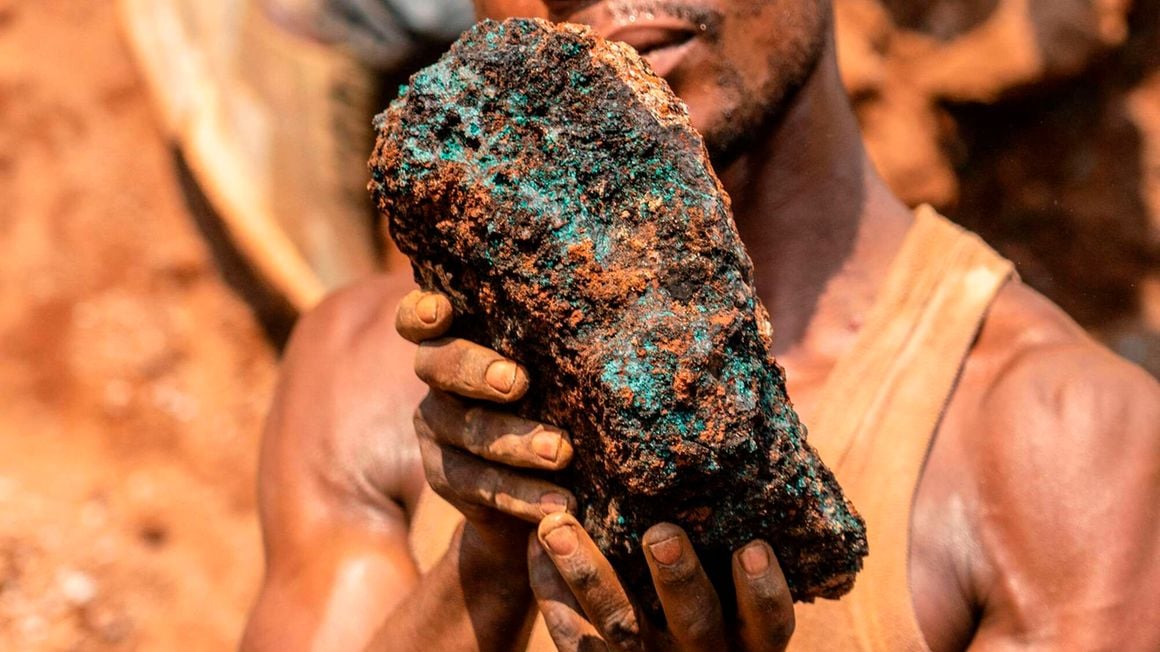
Indonesian nickel producers are facing growing pressure on profit margins as Chinese electric-vehicle battery manufacturers demand deeper discounts for cobalt contained in mixed hydroxide precipitate (MHP), a key intermediate produced by high-pressure acid leach (HPAL) operations.
Buyers are now paying around 67% of the cobalt metal price for cobalt contained in MHP, down sharply from approximately 90% early last month. Sources familiar with recent transactions said CATL’s raw-material procurement arm, Brunp, secured MHP at 67%, while battery-materials producer CNGR agreed deals at around 70%.
The decline comes as Indonesian HPAL producers contend with rising costs for nickel ore and sulphur. Because MHP contains both nickel and cobalt used in battery production, weaker cobalt revenues are adding another challenge for producers already operating under tighter margins.

Traders have absorbed much of the impact so far, but producers expect the pressure to extend directly to Indonesian HPAL operations as fourth-quarter supply contracts are negotiated. Higher-cost producers could ultimately be forced to reduce output if cobalt revenues remain depressed.
Cobalt payables had climbed to unusually high levels of around 90%, supported by tighter supply from the Democratic Republic of Congo, the world’s largest cobalt producer, after export restrictions were introduced. However, market participants expect cobalt payables to remain below those levels even if cobalt metal prices weaken.
Cobalt hydroxide payables have also declined as supplies from the DRC begin recovering following the introduction of an export quota system. China imported 15,970 tonnes of cobalt intermediates from the DRC in July, the highest monthly volume since June 2025, although imports remained about 67% below July 2024 levels.
The changing market dynamics highlight the growing cost pressures facing Indonesia’s rapidly expanding nickel processing industry. With battery manufacturers seeking lower raw-material costs and cobalt revenues declining, producers will need to improve efficiency and manage input costs carefully to protect margins in an increasingly competitive battery-metals market.
Share this content: