Ghanaian Local Authorities Urged to Strengthen Fight Against Illegal Mining
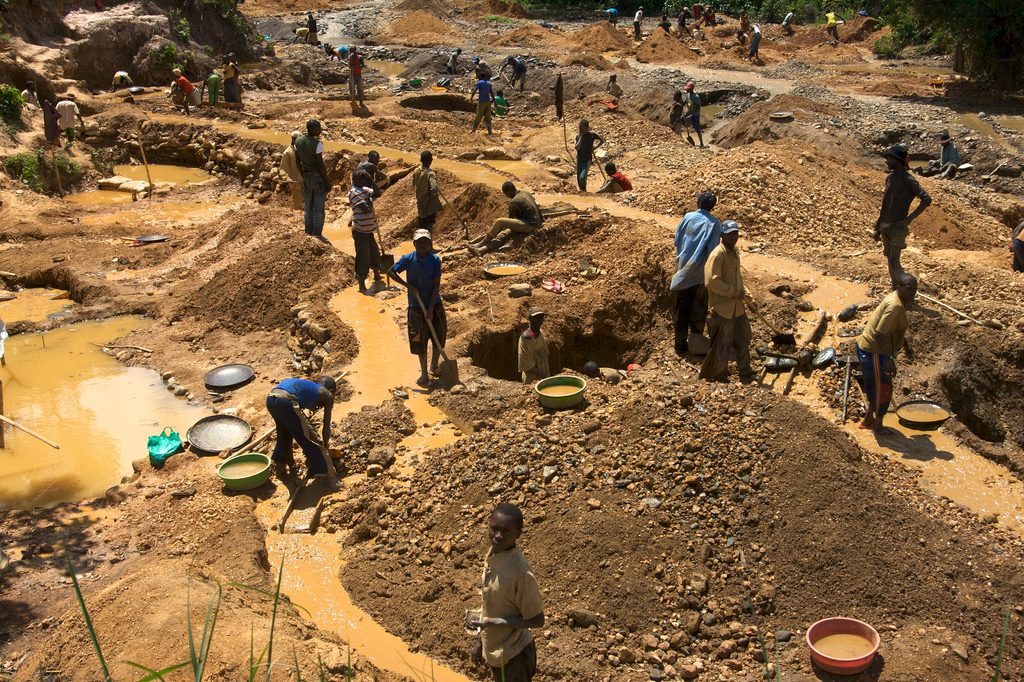
Ghana has called on Metropolitan, Municipal and District Chief Executives (MMDCEs) to take a more active role in combating illegal small-scale mining, as the government seeks to address environmental damage affecting the country’s rivers, forests and surrounding communities.
The call was made during the inaugural National Conference for MMDCEs on Illegal Small-Scale Mining, held in Kumasi, Ashanti Region, on November 2, 2026. The conference brought together local government leaders and other stakeholders to discuss coordinated approaches to tackling illegal mining.
Ashanti Regional Minister Dr Frank Amoakohene described the conference as timely, highlighting the importance of collective action in addressing illegal mining. He also acknowledged the administration of President John Dramani Mahama’s efforts to confront the problem.

Addressing participants, Minister for Lands and Natural Resources Emmanuel Armah-Kofi Buah said illegal mining had caused extensive environmental damage over many years and called on local authorities to make its prevention a shared responsibility.
He stressed that the challenge could not be addressed by the Ministry of Lands and Natural Resources or security agencies alone, but required sustained leadership, commitment and cooperation from communities and local government institutions.
Local authorities to play greater enforcement role
Buah described illegal mining as a national security concern because of its consequences for the environment, public health, food security, water resources and local economies.
He identified the Anti-Illegal Mining Operations Secretariat (NAIMOS), Ghana Police Service, Ghana Armed Forces and other authorised security institutions as important partners in enforcement efforts.
However, he said security operations needed stronger support from local governance structures. When NAIMOS conducts operations in a district, he explained, the relevant assembly should assist through local information, logistical coordination within its lawful capacity, community engagement and follow-up monitoring.
The Minister also encouraged assemblies to communicate opportunities and requirements associated with cooperative mining and other approved mining arrangements to interested communities.
He proposed that every mining-affected assembly establish or strengthen a district-level anti-illegal-mining coordination mechanism involving decentralised government departments, regulatory institutions, security agencies and community representatives.
Government pledges continued action
Buah said the government remained committed to addressing illegal mining, strengthening responsible mining practices through reforms in the mining sector and protecting the environment as part of sustainable national development.
He urged local authorities to recognise their responsibility in protecting the country’s natural resources, particularly rivers and forests, for future generations.
The conference signals a push towards greater coordination between national enforcement agencies, local government structures and affected communities, with district-level participation identified as an important part of Ghana’s efforts to curb illegal mining.
Share this content: