Chinese-Owned Mine Spill Puts Zambia’s Environmental Enforcement to the Test
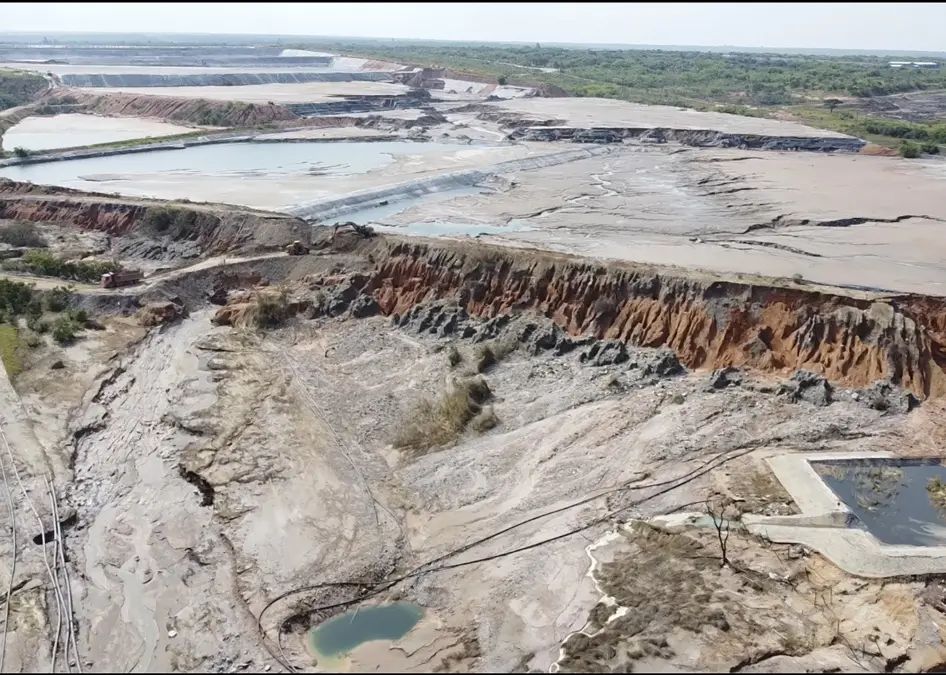
Recovery of polluted water systems, farmland and livelihoods expected to take years
Nearly a year after one of the worst environmental disasters in Zambia’s history, pressure is mounting on authorities to ensure accountability, remediation and long-term reform in the mining sector.
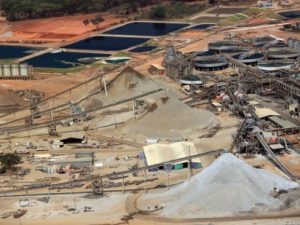
On February 18, 2025, an estimated 51 million litres of toxic waste spilled from a Chinese-owned copper operation into the Mwambashi stream, with pollution later detected more than 100 kilometres downstream in the Kafue River, the country’s longest river and a critical source of drinking water and irrigation.

For environmental activists such as Nsama Kearns, the anniversary marks not closure but the beginning of a prolonged struggle to restore damaged ecosystems and livelihoods.
“We lost a lot of biodiversity. Fish died, crops were damaged, and communities lost their livelihoods,” Kearns said, reacting to findings released earlier this year.
Contamination Persists Despite Surface Recovery
Independent environmental consultants commissioned by the government presented their assessment at a public meeting convened by the Zambia Environmental Management Agency on January 6 at Mukuba Secondary School in Kitwe.
While surface water quality in some affected areas is showing signs of recovery, environmental expert Titus Haakonde warned that serious contamination remains. Tests revealed elevated concentrations of heavy metals — including cadmium, cobalt, copper, manganese and zinc — in soils and upstream waterways around Chambishi and Kalulushi.
According to the report, soils in communities such as Kalusale remain highly contaminated, making agricultural activity unsafe for at least two years, and possibly longer.
Agronomist Dina Mambwe has recommended the immediate relocation of affected farming households, coupled with financial support to help families resettle and rebuild their livelihoods.
Mine Operator Under Scrutiny
The spill originated at the Sino-Metals Leach copper mine in Chambishi, operated by China Nonferrous Metals Industry Group. In July, the Zambian government ordered the company to pay interim compensation to 454 farmers and to undertake remedial measures, including reducing air and soil pollution, planting trees, and applying lime to neutralise acidic soils along the Kafue.
However, critics argue that the response has been slow and insufficient given the scale of the damage.
“It is quite sad that this assessment took so long because the accident was extremely serious,” Kearns noted.
Landmark Lawsuit Raises Stakes
In September, 176 farmers filed one of the largest environmental lawsuits in Zambia’s history, seeking damages reportedly valued at US$80 billion. The plaintiffs allege that the collapse of the tailings dam resulted from engineering failures, construction defects and operational mismanagement, affecting an estimated 300,000 households.
Commenting on the case, Stephen Chan of the SOAS University of London told the BBC that the scale of destruction and apparent negligence has placed unprecedented scrutiny on the outcome.
“All eyes are on this case because of the huge extent of the damage and the carelessness that was very obviously involved,” he said.
A Test of Sovereignty and Oversight
The disaster has reignited debate over Zambia’s ability to regulate powerful foreign investors, particularly in light of its estimated US$5 billion debt exposure to China. But officials insist economic ties will not dilute enforcement.
“There is no treating them with kid gloves here,” said Douty Chibamba, permanent secretary at the Ministry of Green Economy and Environment. “We don’t care whether we owe them — that’s not the issue.”
With Zambia aiming to triple copper production to meet global demand driven by energy transition and electrification, activists warn that growth must not come at the expense of environmental protection and human rights.
“It shouldn’t just be about increasing production,” Kearns said. “Mining investment must comply with environmental laws and meet the expectations of the people.”
As Zambia positions itself as a major global copper supplier, the outcome of this spill — and the response that follows — may define the country’s mining governance for decades to come.
Share this content: