Why Isn’t Zambia the World’s Copper Cable Factory?

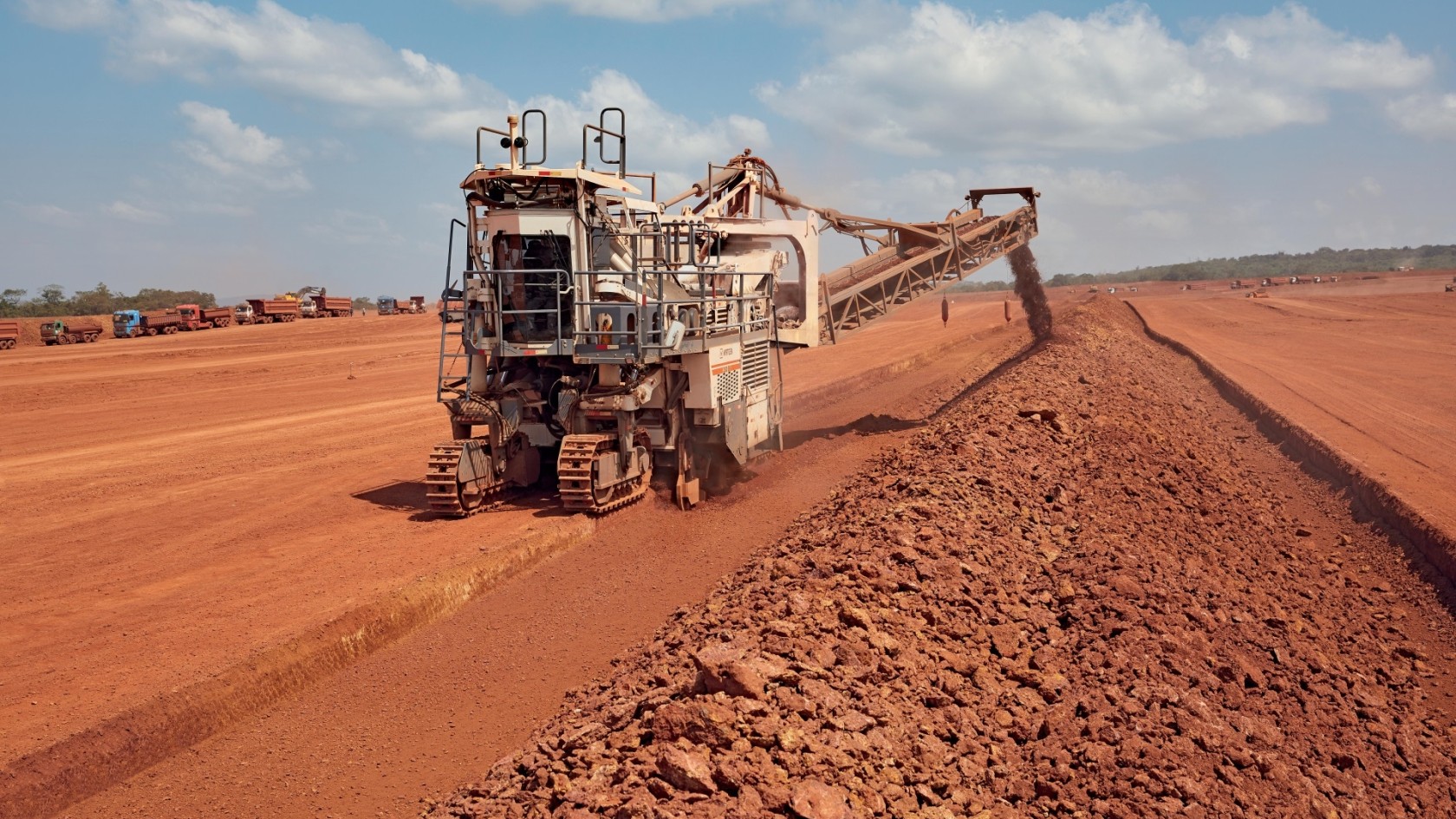
Copper is the backbone of modern life—powering everything from household electronics and power grids to electric vehicles and data centres. Yet while Zambia and the Democratic Republic of the Congo (DRC) sit at the heart of the global copper supply, most of the value generated from this strategic mineral is realised far from where it is mined.
That contradiction is the focus of the opening episode of Season Two of The Africa Hour, which asks a deceptively simple question: why do Africa’s leading copper producers export raw material, while higher-value manufacturing—such as copper cable production—takes place elsewhere?
From Copperbelt to global markets

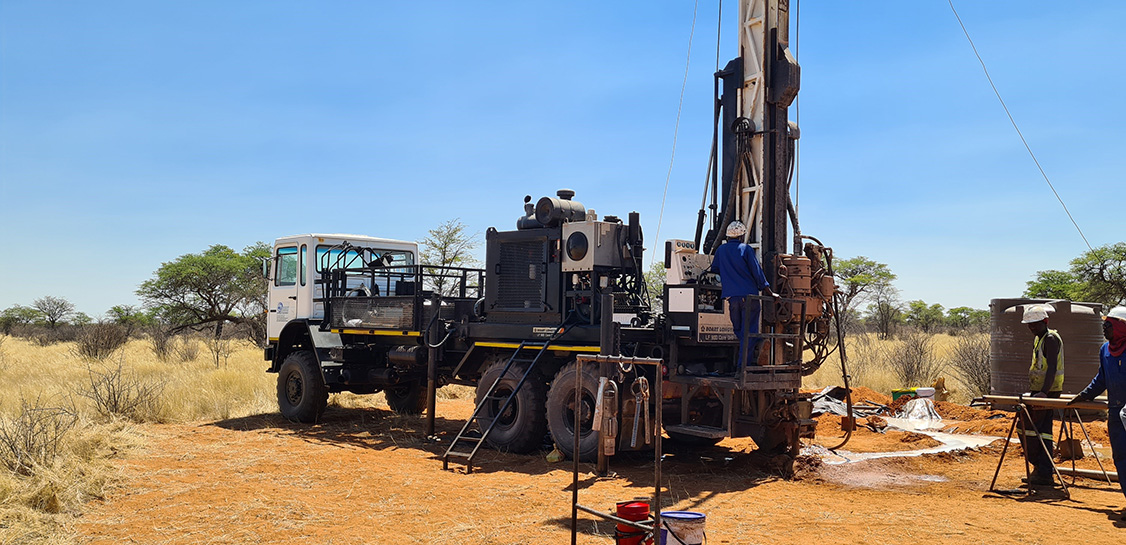
Zambia and the DRC’s Copperbelt supplies a significant share of the world’s copper. But the episode explains that extraction is only the first step in a long mineral value chain. Processing, fabrication, manufacturing and distribution—where the bulk of jobs, skills development and profits are created—are largely located outside the region.
By tracing copper’s journey from mine to market, the episode illustrates how value is unevenly distributed along the chain, and why countries that focus primarily on extraction capture far less economic benefit than those that host downstream industries.
Value chains and lost opportunity
Drawing on perspectives from industry, policy and journalism, the programme introduces the concept of mineral value chains and explores the structural reasons Africa has historically struggled to move downstream. These include infrastructure gaps, energy constraints, skills shortages, policy uncertainty and global trade dynamics that favour established manufacturing hubs.
At the same time, the episode points to early signs of change. Governments, industry bodies and regional institutions are increasingly debating how to localise processing and manufacturing—transforming copper from an export commodity into a foundation for industrialisation.
Voices shaping the debate
The episode features insights from William Clowes, Bloomberg’s Africa metals and mining correspondent, who provides context on global copper markets and investment flows.
It also draws on analysis from Gilbert Makore, Africa Regional Director at the Extractive Industries Transparency Initiative (EITI), who highlights governance, transparency and accountability challenges that shape how mineral wealth is managed across the continent.
From an industry perspective, Sokwani Chilembo, Chief Executive Officer of the Zambia Chamber of Mines, reflects on Zambia’s industrial capabilities, constraints and the practical steps needed to build a competitive downstream copper sector.
From exporting minerals to building industry
At its core, the episode frames copper as more than a resource—it is an opportunity. The central question is whether Africa can stop exporting value and instead use the minerals the world depends on to build jobs, industries and long-term economic resilience at home.
As demand for copper accelerates on the back of the global energy transition, the choices made now by Zambia, the DRC and their regional partners could determine whether the Copperbelt remains a source of raw material—or evolves into a hub of African manufacturing and industrial growth.
Share this content: