Solar, Wind and Smart Grids Transform South Africa’s Mining Sector

By Amy Musgrave
South Africa’s mining sector is undergoing a major energy transition, with solar power, wind energy, battery storage and smart grid technologies reshaping how mines operate. Once viewed purely as a cost centre, electricity has now become a strategic priority as mining companies respond to rising tariffs, grid constraints and global decarbonisation pressures.
Years of steep price hikes from Eskom, combined with energy security risks, have accelerated mining investment in large-scale renewable energy projects. Today, energy planning is embedded directly into long-term mining strategies.

Renewable Energy Becomes Core to Mining Strategy
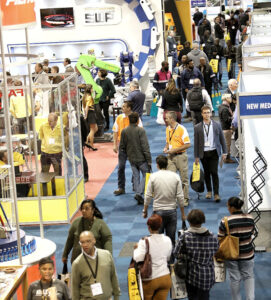
Energy security was a central theme at Mining Indaba 2026, where industry leaders focused on grid expansion, flexible power systems and ensuring reliable electricity supply for mining operations.
According to Christian Teffo, deputy head of techno economics at Minerals Council South Africa, mining companies are moving beyond pilot projects and investing in large-scale solar and wind plants exceeding 100MW.
Currently, an estimated 1.5GW of renewable energy capacity has been installed by mining companies, out of roughly 7GW of distributed renewable energy nationwide. Meanwhile, energy regulator National Energy Regulator of South Africa (Nersa) has registered around 18GW of renewable projects, indicating significant capacity in the pipeline.
Mining companies are also:
- Signing long-term power purchase agreements (PPAs) with independent power producers
- Wheeling renewable electricity across the national grid to multiple mining sites
- Establishing internal energy teams and even energy trading desks
This shift signals a structural transformation in how mines procure and manage electricity.
Digital Tools and Smart Energy Management
Renewables are not just about generation — they are driving operational innovation.
Mines are increasingly aligning production schedules with periods of peak solar and wind availability. Advanced digital monitoring systems track consumption in real time, allowing companies to manage loads more efficiently and reduce peak demand exposure.
Energy management is now integrated into long-term mine planning, supporting:
- Lower operating costs
- Improved uptime
- Reduced reliance on emergency power
- Lower Scope 2 emissions (indirect emissions from purchased electricity)
Policy Reform and Market Liberalisation Drive Growth
Progress in mining renewables has been supported by reforms under Operation Vulindlela, alongside broader energy policy changes.
However, challenges remain:
- Grid capacity constraints in key mining regions
- Delays in securing grid connections
- Complex tariff rules
- Municipal barriers to electricity wheeling
- High transmission infrastructure upgrade costs
Despite these hurdles, renewable adoption offers mines more stable electricity pricing, protection against tariff volatility, and improved competitiveness in global commodity markets — particularly for energy-intensive sectors such as gold, chrome and platinum.
Many renewable projects demonstrate payback periods of five to eight years, depending on tariff structures and financing models.
Power Purchase Agreements Reduce Risk and Preserve Capital
The rise of renewable energy trading platforms is further reshaping procurement models. Companies like Lyra Energy have secured Nersa trading licences and are preparing to wheel electricity directly to industrial customers nationwide.
Liesel Kassier, senior business developer at Lyra Energy, notes that renewables are turning mines from passive electricity buyers into active energy managers. Through behind-the-meter solar, battery storage and wheeled renewables, mines can stabilise costs and reduce exposure to volatile municipal tariffs.
The development of the South African Wholesale Energy Market (Sawem), launching in April, is expected to further enhance flexibility. A tradable electricity market will allow mining houses to tailor procurement strategies based on load profiles, risk allocation and carbon targets.
Rather than investing heavily in generation assets, many mining companies are opting to purchase electricity as a service under fixed-tenor PPAs, transferring construction and operational risk to specialist developers.
Sibanye-Stillwater Signs Major Renewable Deal
One of the latest examples of this transition is Sibanye-Stillwater’s 10-year renewable energy agreement with Etana Energy.
Under the agreement, Etana will supply 600GWh of renewable electricity annually, equivalent to approximately 220MW, sourced from solar and wind projects. The electricity will be wheeled via the national transmission network.
Once operational in late 2027, the project is expected to reduce greenhouse gas emissions by approximately 648,000 tonnes of CO₂ equivalent per year.
The Future: Grid Expansion, Storage and Flexible Power
As renewable penetration increases, the next phase of transformation will focus on:
- Grid modernisation
- Battery storage deployment
- Flexible power systems
- Competitive electricity market development
Industry and government stakeholders at Mining Indaba aligned on the urgent need to expand and modernise South Africa’s electricity grid to meet growing industrial demand.
The Minerals Council’s priorities include:
- Fair and equitable grid access
- Cost-reflective tariffs
- Competitive electricity markets
- Targeted support for energy-intensive mining subsectors
- Renewable Energy: Essential for Mining Survival
For South Africa’s mining industry, renewable energy is no longer just about ESG compliance. It has become essential for operational survival and long-term viability.
By adopting solar, wind, battery storage and smart grid solutions, mining companies are gaining greater control over costs, reducing carbon exposure, and strengthening their position in global commodity markets.
As energy market liberalisation deepens and private generation scales, renewables will remain central to the future competitiveness of South Africa’s mining sector.
Share this content: