Zambia Rejects U.S. Health Aid Deal Over Mining Partnership Conditions

Zambia has halted a proposed $1 billion U.S. health funding agreement, citing concerns over clauses that tied the aid package to mining sector partnerships. The move positions Zambia alongside Zimbabwe and Kenya, which have also resisted conditions they argue compromise national sovereignty.
Mining Access Linked to U.S. Health Funding
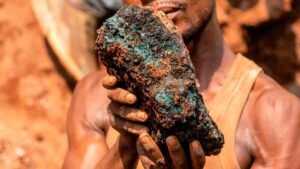
The five-year agreement was designed to support Zambia’s fight against HIV/AIDS and malaria. However, negotiations stalled after the United States reportedly linked the funding to a “bilateral compact” involving access to Zambia’s critical minerals, particularly copper and cobalt.

Critics say the proposed terms risked prioritising foreign mining interests over public health needs.
“This deal would slash U.S. funding to life-saving programs while prioritising mining corporations over Zambians with HIV,” said Asia Russell of Health GAP, reflecting broader civil society concerns.
Zambia’s government confirmed it had requested revisions to the memorandum. President Hakainde Hichilema is said to view the potential reduction in aid as an opportunity for the country to strengthen domestic capacity and “take care of our own affairs.”
Zimbabwe Rejects Agreement Over Data Sovereignty
Meanwhile, Zimbabwe withdrew from a separate $367 million health funding agreement, objecting to clauses that required immediate access to pathogen data without clear benefit-sharing mechanisms.
A leaked letter from Zimbabwe’s Ministry of Foreign Affairs described the terms as “clearly lopsided” and warned they could undermine national sovereignty. However, the Zimbabwe College of Public Health Physicians urged authorities to re-engage in talks, cautioning that treatment for approximately 1.2 million people living with HIV could be affected.
Kenya Freezes Implementation Amid Privacy Concerns
In Kenya, the High Court of Kenya has temporarily frozen implementation of a similar agreement due to privacy and data protection concerns.
Africa CDC Supports Renegotiation
The Africa CDC has voiced support for African nations seeking to renegotiate the terms of international health agreements.
Dr Jean Kaseya, Director-General of Africa CDC, emphasised the importance of data sovereignty and long-term self-reliance: “We want to own our data in Africa. We want to own our future. We cannot accept not owning our data.”
Sovereignty and Critical Minerals at the Centre
The dispute highlights growing tensions between global health funding and access to Africa’s strategic mineral resources, particularly as copper and cobalt become increasingly important for the global energy transition.
For Zambia, one of Africa’s leading copper producers, the decision underscores a broader policy shift toward protecting national interests in mining partnerships while balancing critical health funding needs.
Share this content: