DRC’s $1.4 Billion Manono Lithium Project Set to Become One of the World’s Largest
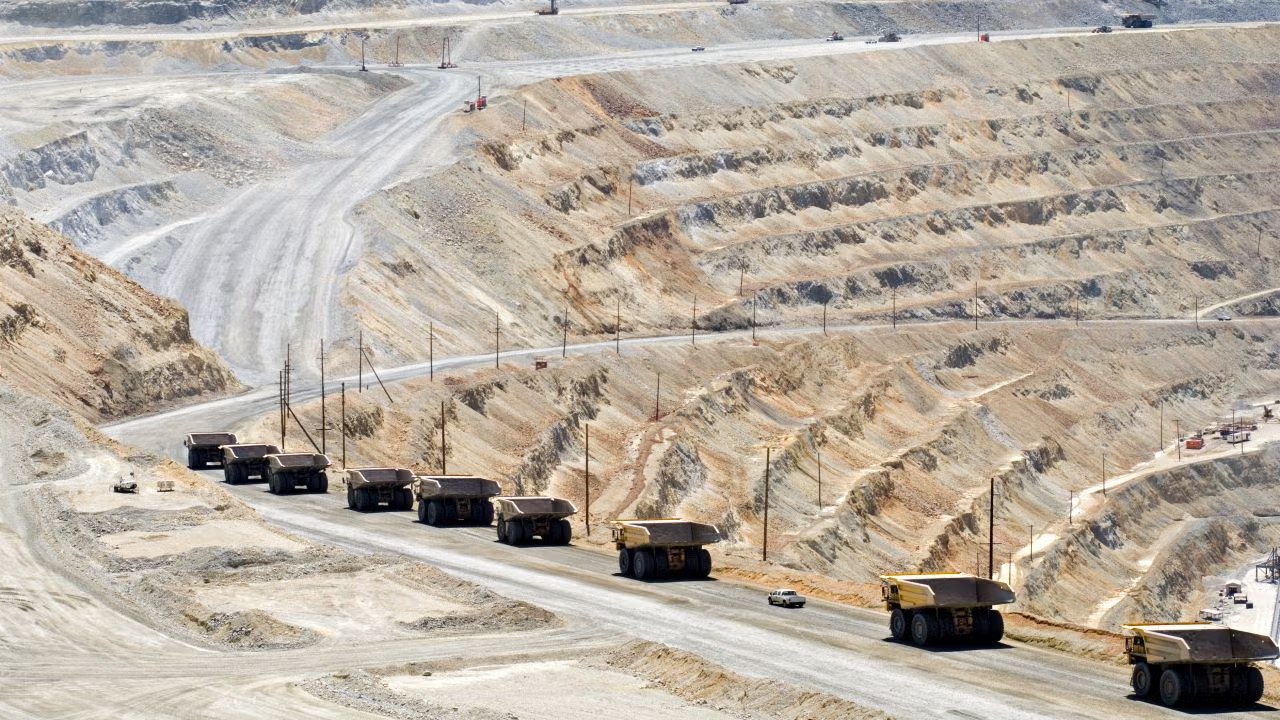
A major lithium development in the Democratic Republic of the Congo is poised to reshape Africa’s role in the global battery supply chain, as Zijin Mining Group advances plans to launch one of the world’s largest lithium mines.
Located in the mineral-rich Manono region in southeastern DRC, the $1.4 billion project is expected to significantly boost global lithium supply at a time when demand for electric vehicles and renewable energy storage continues to surge.
A Strategic Lithium Asset for the Energy Transition

The Manono lithium project is projected to produce approximately 130,000 tonnes of lithium carbonate equivalent annually, positioning it among the largest lithium operations globally. Industry estimates suggest the mine could account for nearly 5% of global lithium output by 2028, underscoring its strategic importance in the energy transition.
Beyond scale, the project highlights Africa’s growing relevance in supplying critical minerals essential for battery manufacturing and clean energy technologies.
Integrated Processing to Drive Value Addition
In addition to mining operations, the project includes a large-scale processing facility designed to convert raw materials into higher-value products. The plant is expected to process around 500,000 tonnes of lithium concentrate annually into lithium sulphate, a key input in battery production.
This integrated approach reflects a broader shift in African mining toward local value addition, reducing reliance on raw mineral exports and strengthening participation in global value chains.
Production Capacity and Investment Scope
At full capacity, the project is estimated to produce between 850,000 and 875,000 tonnes of lithium concentrate per year, making it one of the most significant lithium investments on the continent.
The scale of production is expected to enhance the DRC’s position as a leading supplier of critical minerals, complementing its dominance in cobalt production.
Ownership Structure and Government Participation
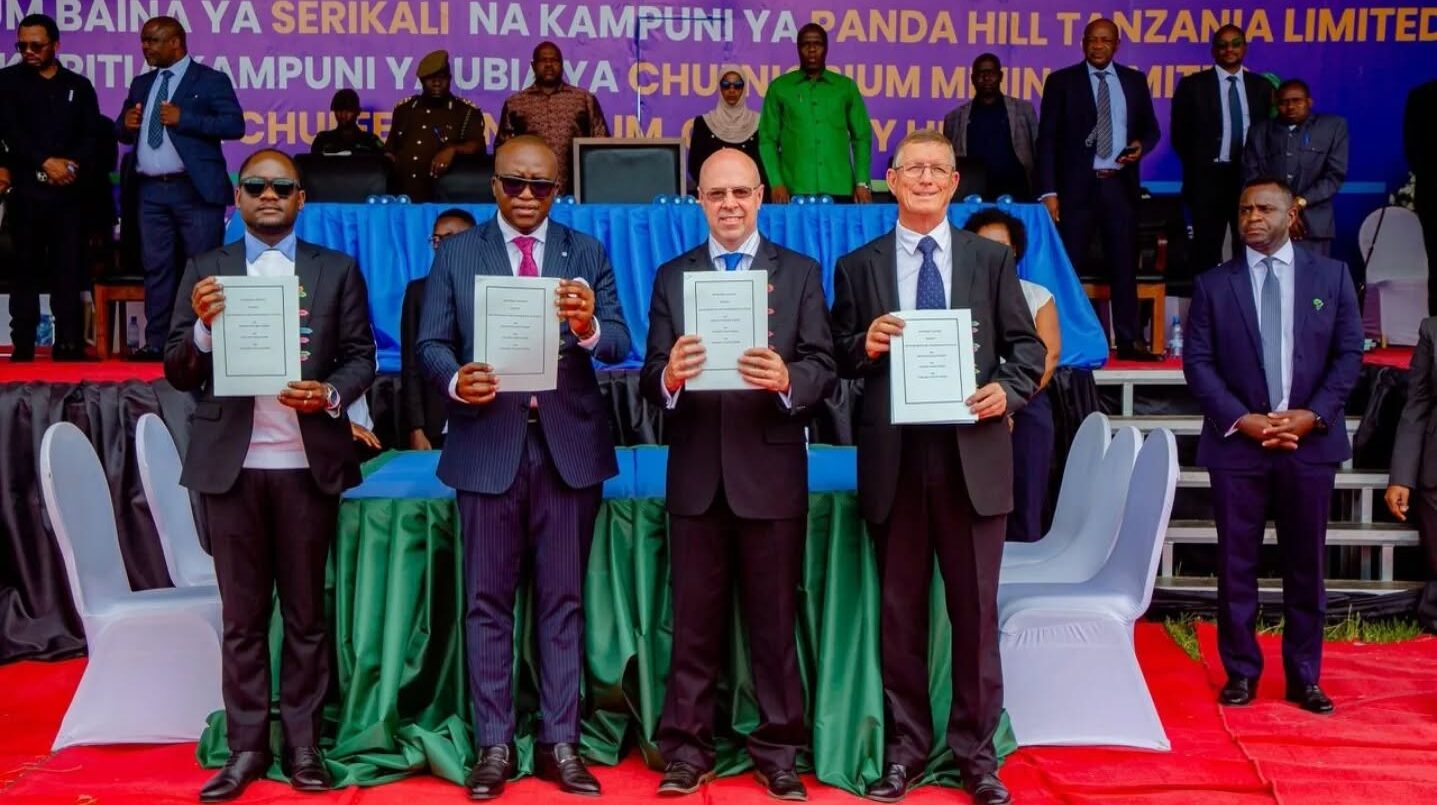
The ownership model reflects a growing trend in African mining partnerships. Zijin Mining Group holds just under 55% of the project, while the government of the Democratic Republic of the Congo retains a substantial stake, ensuring national participation in the project’s economic benefits.
This structure is designed to balance foreign investment with local value capture and resource governance.
Legal Disputes and Competing Interests
Despite its potential, the Manono project faces ongoing legal challenges. Australian firm AVZ Minerals has initiated legal proceedings following the revocation of its license for part of the project area.
At the same time, KoBold Metals, backed by high-profile investors, has expressed interest in developing the southern section of the deposit. These competing claims highlight the complexities of large-scale mining investments in the region.
Africa’s Expanding Role in the Global Lithium Market
As global demand for lithium accelerates, driven by the transition to electric mobility and renewable energy, projects like Manono are positioning Africa as a critical player in the supply chain.
The development not only strengthens the DRC’s mining sector but also signals a broader shift toward strategic mineral development across the continent.
Conclusion
The Manono lithium project represents a transformative opportunity for both the DRC and the global energy market. With its massive scale, integrated processing capabilities, and strategic importance, it could become a cornerstone of Africa’s participation in the future of clean energy and battery manufacturing.
Share this content: