Chrome Positioned as Key Revenue Driver at Bengwenyama Project

Southern Palladium has reported strong metallurgical results from its latest test work at the Bengwenyama project, confirming the high-grade nature of the UG2 Mineral Resource and highlighting a significant upside in chromite recoveries.
The results, announced on 17 April 2026, indicate that chromite concentrate recoveries could be more than double previous estimates, potentially transforming chrome from a by-product into a parallel revenue stream.
The Bengwenyama Platinum Group Metals (PGM) project, located on the Eastern Limb of South Africa’s Bushveld Complex, is regarded as one of the largest undeveloped PGM resources globally. The company is currently advancing Definitive Feasibility Study (DFS) workstreams alongside early-stage mine development planning.

Southern Palladium CEO Johan Odendaal said the latest results could materially reshape the project’s economics.
“Metallurgical test work has once again confirmed the grade and robust nature of the UG2 Mineral Resource, but the doubling of chrome recoveries is potentially company-changing; it elevates chrome from a by-product to a parallel output,” he said.
Metallurgical sampling returned an average combined platinum, palladium, and gold (3E) grade of 7.35g/t, with a prill split of 49.9% platinum, 48.6% palladium, and 1.5% gold. The sample also recorded a Cr₂O₃ grade of 29.71%, confirming strong chrome potential.
These grades are considered representative of the first 10 years of planned production and could support an additional 350,000 tonnes of high-grade chrome concentrate over the life of the project.
Chrome recoveries of 65% were achieved in the latest test work, significantly higher than the 30% assumption used in the Optimised Pre-Feasibility Study (OPFS) released in July 2025. The improvement is expected to have a meaningful positive impact on overall project revenue, with chrome previously contributing around 12% of projected income.
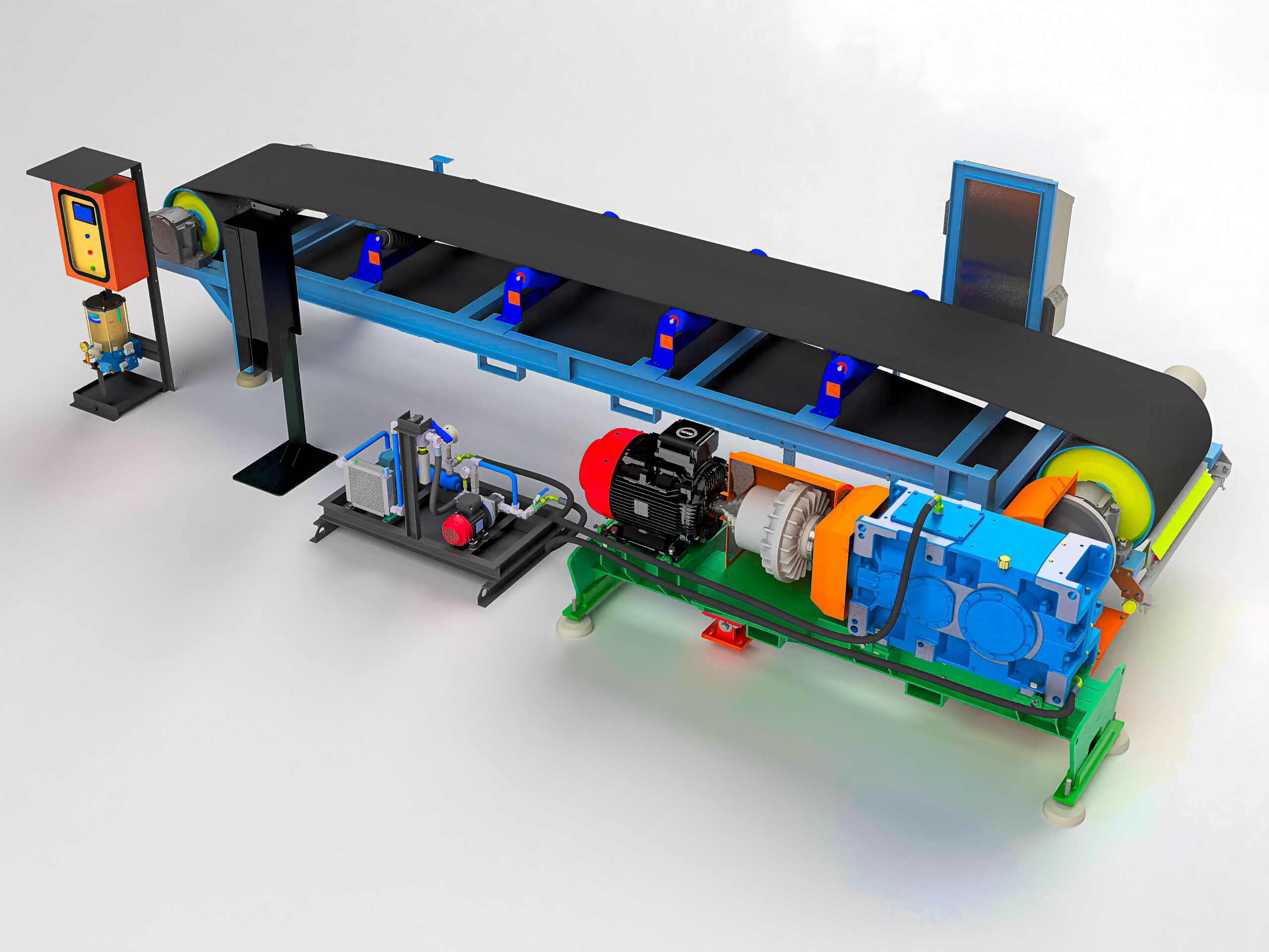
As part of the latest work, composite samples including footwall material were processed using dense media separation (DMS) and gravity separation techniques. Although DMS was not included in the original OPFS design, the strong results have led the company to incorporate it into the DFS flowsheet.
According to Odendaal, DMS is a well-established method in UG2 beneficiation, particularly for removing waste material from mined ore. This approach reduces the load on downstream milling and flotation circuits while increasing both PGM and chromite feed grades.
The inclusion of DMS is expected to reduce overall processing volumes, lower capital requirements, and improve operational efficiency. It may also allow for a smaller milling and flotation plant, potentially accelerating development timelines.
These improvements are now being incorporated into final DFS-level plant design and economic modelling.
Share this content: