Zambia Rejects US Conditions Tied to Health and Critical Minerals Negotiations

Zambia has publicly pushed back against what it describes as unacceptable conditions attached to a proposed US$2 billion health agreement with the United States, intensifying tensions over data sovereignty and access to critical minerals.
Zambian Foreign Affairs Minister Mulambo Haimbe said the government refused to accept elements of the proposed arrangement because they allegedly included demands related to citizens’ data sharing and preferential treatment for American mining companies.
Speaking in a televised address, Haimbe stated that data-sharing provisions raised constitutional and legal concerns, particularly because related matters are currently before Zambian courts.

The minister also accused Washington of attempting to link the health memorandum of understanding to a separate critical minerals agreement, a move Zambia says it opposes.
According to Haimbe, Lusaka insists that negotiations on healthcare cooperation and mineral partnerships should remain entirely separate.
The dispute has drawn attention to growing geopolitical competition over Africa’s strategic minerals, particularly as Western countries seek secure supplies of copper, cobalt, lithium and rare earth elements required for renewable energy technologies, batteries and electric vehicles.
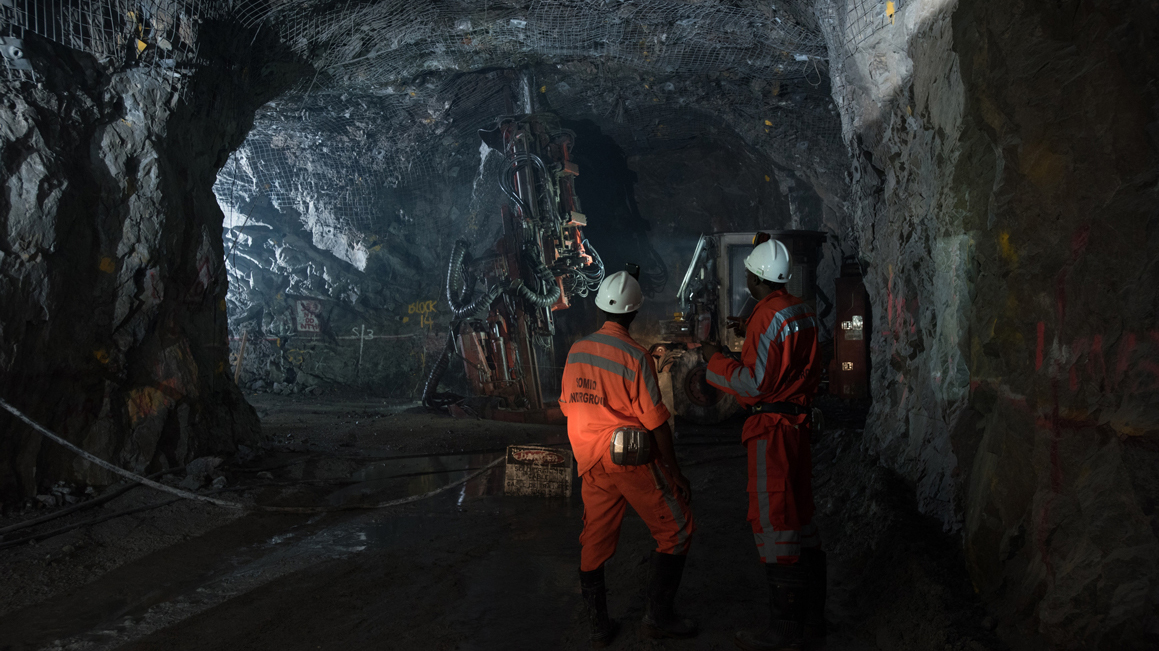
Zambia is Africa’s second-largest copper producer after the Democratic Republic of the Congo and holds substantial reserves of cobalt, nickel, manganese, graphite and lithium.
Haimbe said Zambia objected specifically to what he described as demands for preferential access for US companies in the country’s mining sector.
The government maintains that Zambia must retain control over how its strategic minerals are developed and that no foreign partner should receive exclusive advantages over others.
The controversy follows remarks made by outgoing US ambassador Michael Gonzales, who rejected allegations that Washington was tying life-saving healthcare support to mineral access.
In a farewell address delivered on April 30, Gonzales described such accusations as false and denied that the United States was attempting to leverage health funding in exchange for critical minerals cooperation.
The disagreement also reflects broader strategic competition between the United States and China for influence in Zambia’s mining sector.
Chinese companies have maintained a dominant presence in Zambia’s copper industry for years, controlling significant investments in mines, smelters and mineral processing infrastructure.
During his remarks, Gonzales accused the Zambian government of failing to adequately address environmental concerns linked to Chinese-owned mining operations, including allegations involving Sino Metals Leach Zambia following a reported toxic waste spill linked to a dam collapse last year.
He also alleged that corruption and bureaucratic barriers were discouraging American investors from entering Zambia’s mining sector.
The Zambian government strongly rejected the comments, with Haimbe describing the ambassador’s remarks as “mischievous,” “undiplomatic” and inconsistent with mutual respect between sovereign nations.
The dispute highlights increasing scrutiny across Africa over foreign-backed health and investment agreements involving data-sharing provisions.
Several African countries, including Zimbabwe, Ghana and Kenya, have also delayed or rejected similar US-supported agreements over concerns relating to data privacy, sovereignty and regulatory compliance.
Analysts say the standoff underscores the increasingly complex intersection of healthcare diplomacy, strategic mineral competition and digital sovereignty in Africa’s evolving relationships with major global powers.
Share this content: