Zimbabwe To Review Lithium Export Quotas As Local Processing Capacity Expands
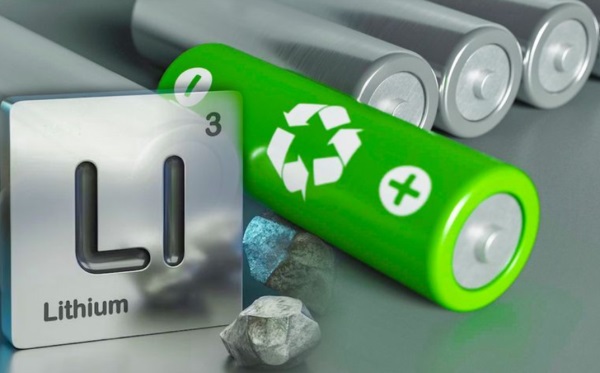
Zimbabwe is preparing to review its lithium export quota system next year as producers accelerate investments in local processing facilities designed to increase domestic value addition and reduce reliance on raw mineral exports.
The move reflects Zimbabwe’s broader strategy to strengthen beneficiation within its mining sector and capture more value from the global battery minerals supply chain, as demand for lithium continues to rise alongside electric vehicle and energy storage markets.
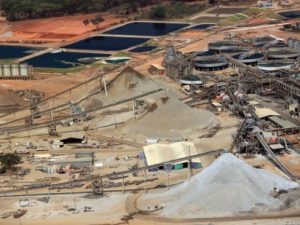
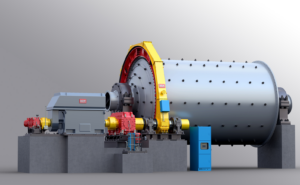
According to government officials, the review will assess the effectiveness of existing export restrictions introduced to encourage miners to process lithium locally rather than exporting unprocessed ore. Several mining companies operating in Zimbabwe are now advancing processing plants capable of producing higher-value lithium concentrates and related products.

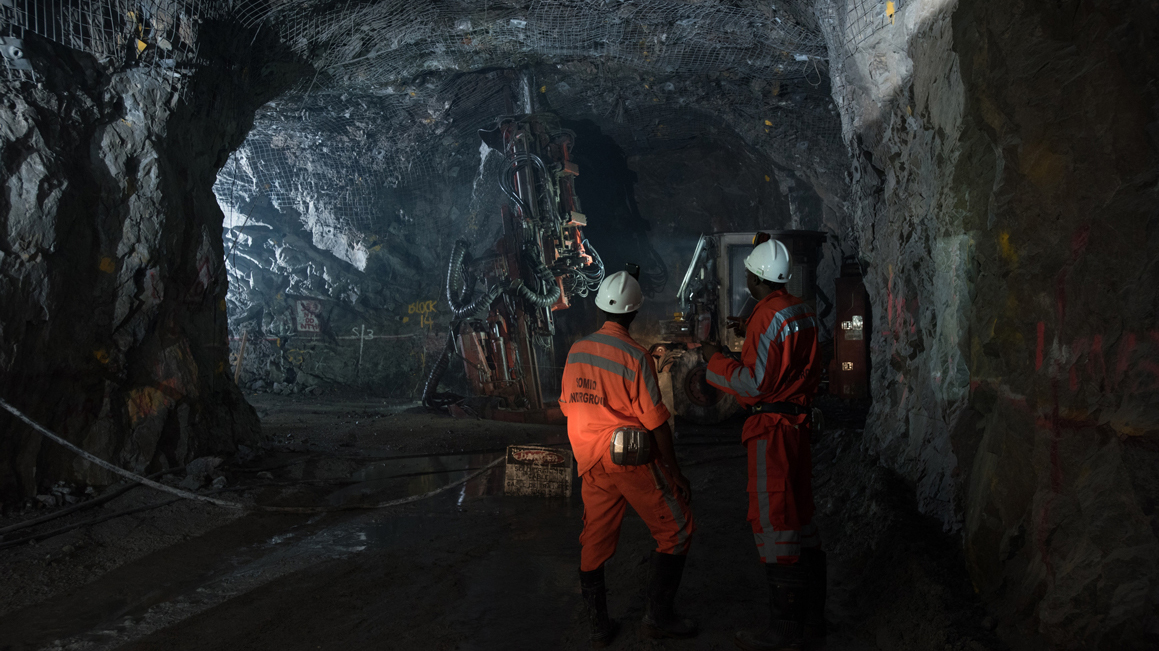
Zimbabwe holds some of Africa’s largest lithium reserves and has attracted significant investment from Chinese mining firms in recent years. The government has increasingly pushed for domestic refining and processing as part of efforts to industrialise the sector, create jobs, and increase export earnings.
Authorities argue that exporting raw lithium deprives the country of potential industrial growth opportunities tied to battery manufacturing and downstream mineral processing. By expanding local beneficiation, Zimbabwe aims to position itself more competitively within the global clean energy transition.
The review comes as producers continue developing processing infrastructure to comply with evolving export regulations. Industry stakeholders say clearer policy direction and stable regulatory frameworks will be essential to encourage further long-term investment in the sector.
Zimbabwe’s lithium strategy mirrors a growing trend across Africa, where governments are seeking to move beyond raw commodity exports and build local industrial capacity around critical minerals needed for renewable energy technologies, electric vehicles, and battery manufacturing.
Analysts say the success of Zimbabwe’s beneficiation push will depend not only on export controls, but also on improvements in energy supply, infrastructure, financing, and access to global processing technologies.
The country’s lithium sector has emerged as one of the fastest-growing segments of its mining industry, alongside gold and platinum, as global competition intensifies for access to strategic minerals critical to the energy transition.
Share this content: