Military-Backed Intrusion Threatens Major Congo Cobalt Operation
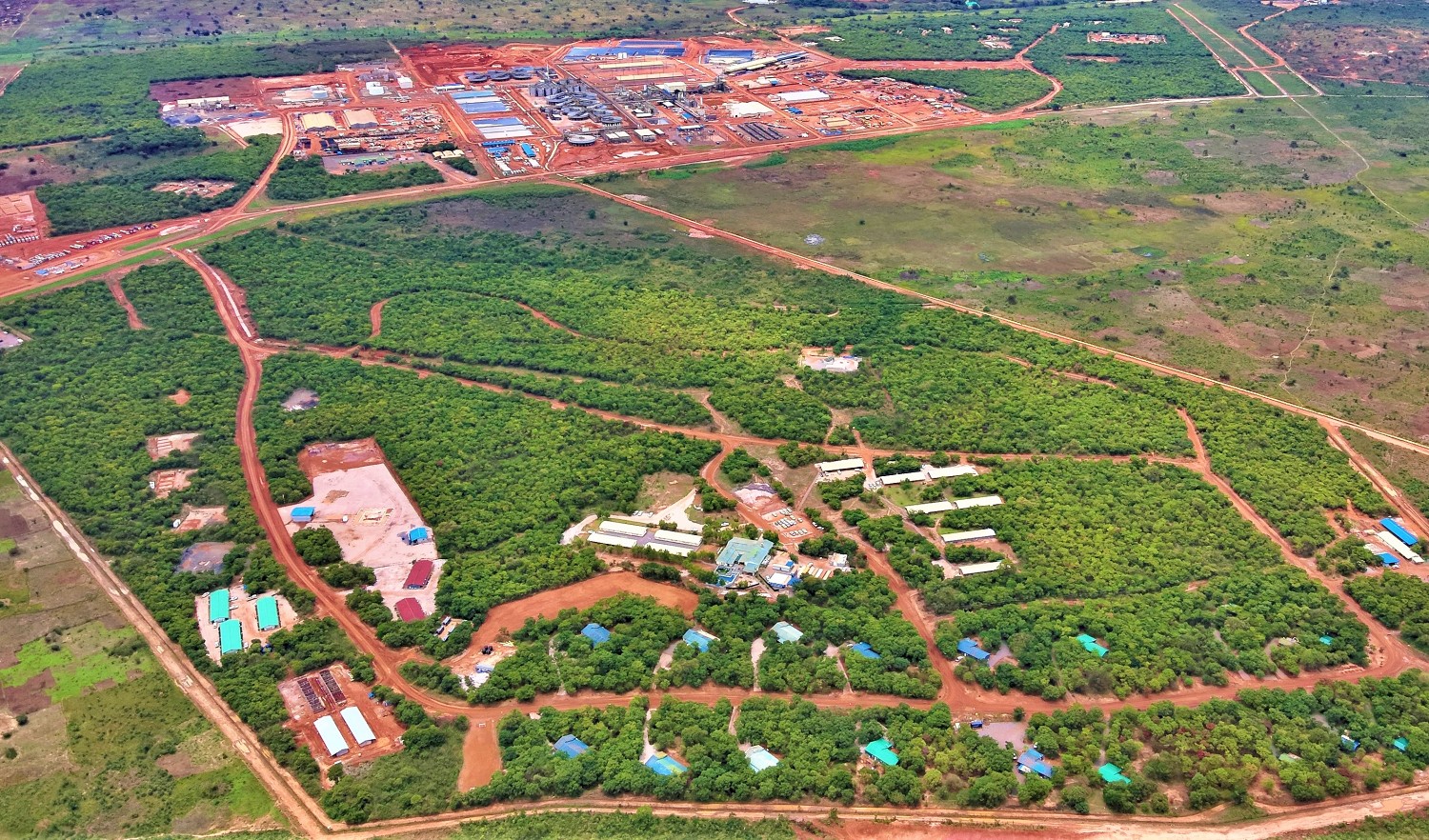
One of the world’s largest cobalt operations in the Democratic Republic of the Congo is facing mounting pressure after armed intruders reportedly occupied part of a major mining concession and began extracting valuable tailings on a near-industrial scale.
Eurasian Resources Group (ERG) says workers protected by Congolese soldiers have moved into a large section of its Metalkol operation near the mining hub of Kolwezi, threatening the long-term viability of one of Africa’s most important cobalt assets.
The Metalkol project processes historic mining waste deposits, known as tailings, containing high concentrations of cobalt and copper. The operation has become the world’s fourth-largest cobalt producer since beginning commercial operations in 2018.

According to ERG, the intruders are linked to a company called Societe Cooperative Miniere Hosanna, headed by Congolese businessman Fatou Ntete Etumba, which claims it received government backing to carry out river remediation and dredging activities inside the concession.
ERG disputes the legality of the operation and says the activities amount to illegal mining.
The company alleges that thousands of tonnes of mineral-rich tailings are now being removed daily using excavators, dump trucks and artisanal labourers operating under military protection.
The dispute highlights growing tensions between international mining companies and artisanal mining interests in Congo’s mineral-rich copperbelt, where soaring global demand for critical minerals such as cobalt and copper is intensifying competition for access to resources.
Cobalt remains a strategic mineral used in electric vehicle batteries, electronics, aerospace and defence industries.
ERG said the area now occupied by the intruders contains approximately 45 million tonnes of tailings, representing more than 85% of Metalkol’s remaining reserves.
If the material is permanently removed, the company estimates the mine’s operational lifespan could fall from nine years to just three years, potentially placing more than $10 billion in future revenues at risk based on current commodity prices.
The Congolese government has begun mediating between Metalkol and Hosanna through the General Inspectorate of Mines.
While authorities stated that Hosanna does not hold formal authorization to carry out decontamination or mining activities on the concession, operations reportedly continue under military presence.
The incident also reflects broader governance challenges facing Congo’s mining sector, where industrial operators frequently contend with illegal mining, overlapping political interests and weak regulatory enforcement.
The situation has drawn additional attention because one of the letters supporting Hosanna’s activities reportedly came from Gabriel Amisi Kumba, the inspector general of Congo’s armed forces, who is under sanctions from both the United States and the European Union over alleged human rights violations.
Congo remains central to the global energy transition, producing more than 70% of the world’s cobalt supply. However, ongoing instability, informal mining activity and governance concerns continue to complicate efforts by investors and governments to secure stable critical mineral supply chains from the country.
The standoff at Metalkol comes at a time when Western governments are increasingly seeking alternatives to China’s dominant position in Congo’s mining industry while Kinshasa simultaneously pushes for greater state control and value retention from its mineral wealth.
Share this content: