West Africa’s Mineral Boom Puts State Capacity to the Test
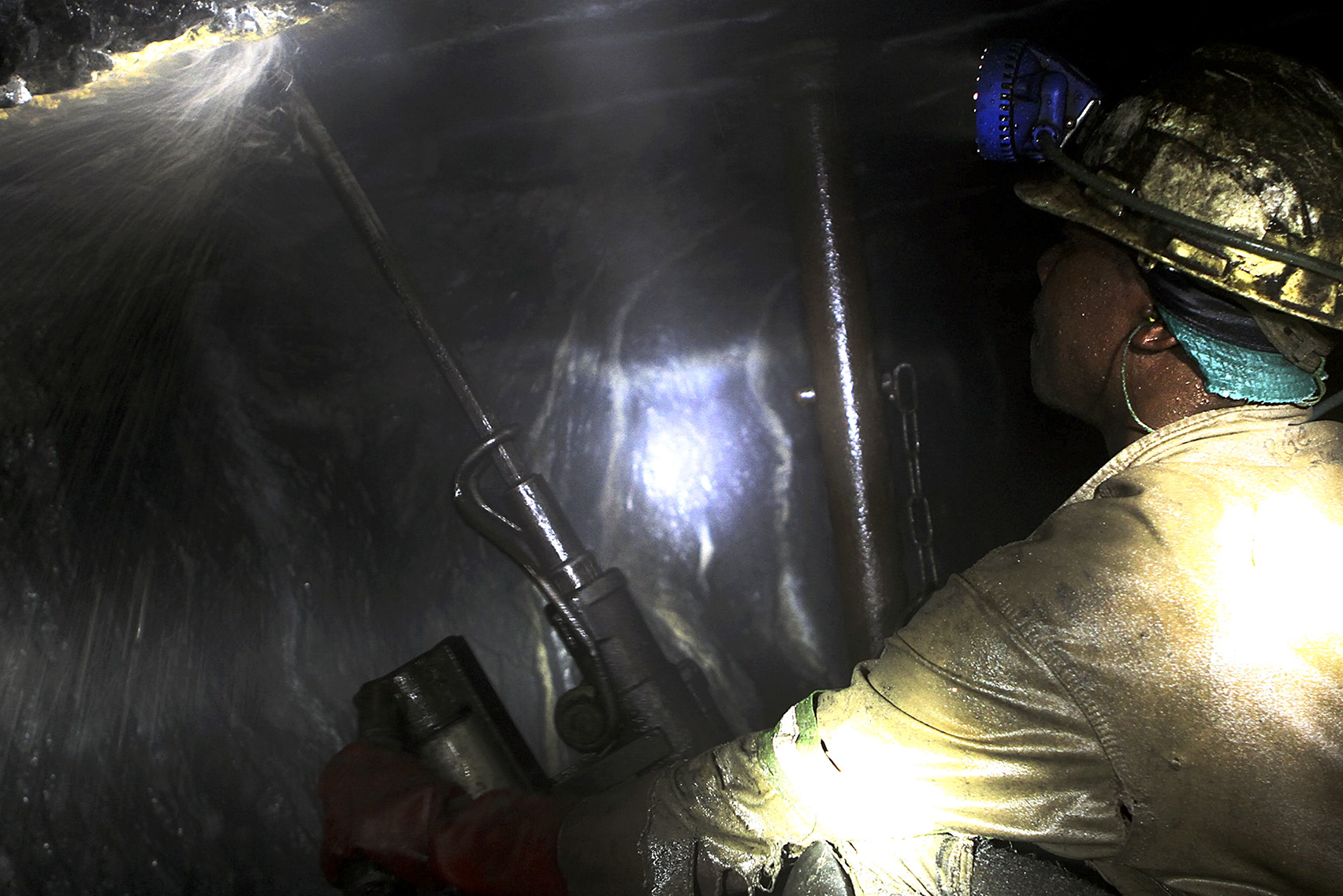
West Africa’s growing mineral wealth is creating significant opportunities for economic diversification, investment and industrial development, but it is also exposing weaknesses in how governments regulate rapidly changing mineral markets.
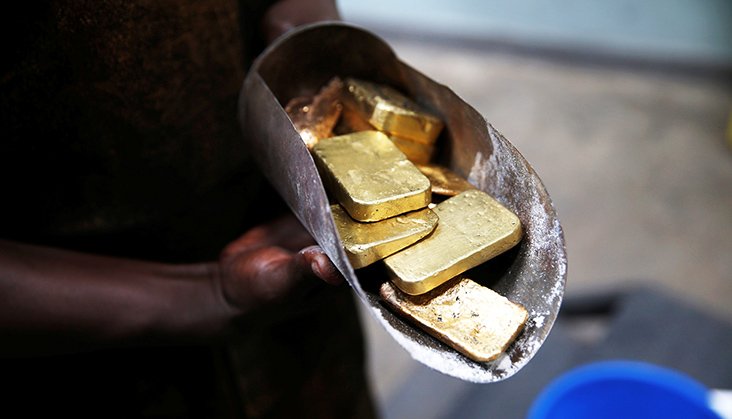
Gold remains a major economic commodity for countries such as Ghana, while lithium is becoming increasingly strategic for Nigeria as global demand for battery materials accelerates. The contrasting experiences of the two countries raise a broader question: can governments strengthen regulatory institutions quickly enough to manage the rising value of both traditional and critical minerals?
Ghana’s struggle with illegal small-scale mining, commonly known as galamsey, demonstrates the complexity of managing an established mineral economy. Illegal mining has damaged rivers, forests and agricultural land, with the resulting environmental costs extending well beyond the mining industry.

The challenge is also deeply connected to the wider gold supply chain. Illegal miners depend on financiers, equipment suppliers, buyers and transport networks to operate. Simply closing mining sites or arresting individual miners therefore addresses only one part of the system. Unless the economic networks supporting illicit extraction are also disrupted, new operators can quickly replace those removed.
Nigeria faces a different but related challenge with its emerging lithium industry. Deposits in states including Nasarawa and Kaduna have attracted growing interest as the country seeks to use critical minerals to diversify its economy beyond oil. The government is also pushing for greater domestic processing and value addition rather than relying solely on raw mineral exports.
The rapid development of Nigeria’s lithium sector, however, has already brought reports of illegal mining and mineral trading. Authorities have responded with security-led measures, including the deployment of Mining Marshals. But enforcement alone may not be sufficient if licensing remains difficult to navigate, regulators lack resources and communities have limited opportunities to participate in legitimate mining.
The experiences of Ghana and Nigeria highlight the importance of regulating the entire mineral value chain. Governments need transparent licensing systems, effective environmental monitoring, stronger customs controls and financial intelligence capabilities that can track suspicious transactions and mineral flows.
Mineral governance also needs to extend across borders. Gold and other minerals can move through regional trading networks before reaching international markets, allowing illicit operators to exploit differences between national regulations. Greater cooperation between West African mining, customs and financial authorities, alongside stronger mineral traceability systems, could help close these gaps.
Community participation is equally important. In areas where informal mining provides one of the few available sources of income, enforcement without viable economic alternatives can simply push illegal activity elsewhere. Formalisation, alternative livelihoods and meaningful community participation need to form part of a broader governance strategy.
The environmental risks are another warning. Ghana’s experience with polluted water bodies and damaged agricultural land demonstrates that poorly managed mineral extraction can undermine the very communities and economies that mining is expected to support. Nigeria has an opportunity to establish stronger environmental safeguards before its lithium industry becomes more deeply entrenched.
The stakes are rising as the global energy transition increases demand for lithium and other critical minerals used in batteries, electric vehicles and renewable-energy technologies. This could allow African countries to become important suppliers and processors within emerging global industrial value chains, but it could also create stronger incentives for illicit extraction and resource competition.
For Nigeria, the opportunity is to establish effective licensing, traceability, environmental and community-engagement systems while the lithium industry is still developing. Ghana’s experience shows how much more difficult reform becomes once illicit mining becomes embedded in local economies and international supply chains.
Ultimately, West Africa’s mineral challenge is not simply about gold or lithium. It is about institutional capacity. The region’s mineral wealth can attract investment, generate foreign exchange and support industrialisation, but only if governments can regulate extraction, protect communities, monitor mineral flows and ensure that resource wealth enters legitimate economic channels.
The success of West Africa’s mineral future will therefore be measured not only by how much gold or lithium the region produces, but by whether governments can build institutions capable of ensuring that rising mineral wealth translates into sustainable economic development.
Share this content: