Nigeria’s Energy Future: “Addressing Reliability Challenges cannot be Delayed”, says Wärtsilä
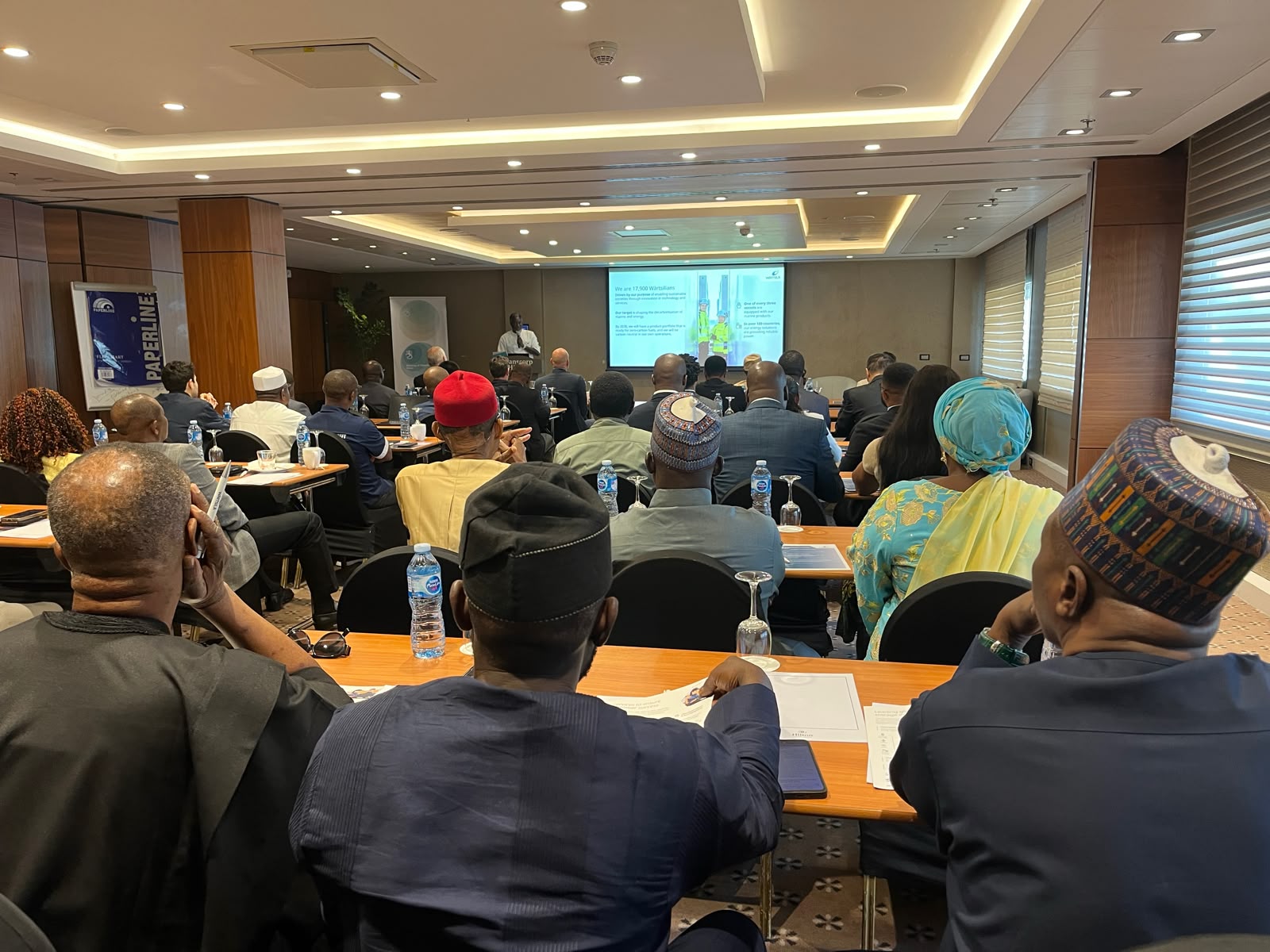
Energy experts call for power investments that keep industry running today, support more renewables as they expand, and anticipate the emergence of cleaner fuels.
“Delivering reliable power” took centre stage at the 2026 Energy Transition Forum, organised by Wärtsilä last week in Lagos and Abuja. The high-level meetings brought together some of Nigeria’s leading energy players, including Elektron Energy, Axxela and Paras Energy, alongside major electricity consumers such as Nestlé, Flour Mills of Nigeria and prominent power-sector experts. At the heart of the discussions was a pressing question: how can Nigeria build a cleaner power system while delivering the reliable and affordable electricity its economy needs to grow?
Reliable power comes before everything else

Nigeria unquestionably needs extra power, but the discussions made it clear that installing more capacity was only part of the answer. The system needs the right mix of power generation and storage technologies to perform optimally and reliably.
Solar and wind will increasingly provide low-cost electricity, but their production varies with weather conditions. Battery energy storage systems can absorb excess renewable electricity and release it when needed, while fast-starting engine power plants can step in when renewable production falls or demand rises. Together, these technologies can help maintain grid stability, reduce reliance on inflexible fossil fuel generation and ensure a reliable supply of electricity around the clock.
“The success of Nigeria’s energy transition will not be measured by how many solar panels or wind turbines the country installs, but by its ability to deliver affordable, reliable and increasingly clean electricity to its people and businesses. Renewables, flexible engine power plants and energy storage are not competing technologies. They are complementary solutions. The more renewables we bring into the system, the more important it becomes to have the right balancing capacity in place,” said Marc Thiriet, Director, Africa, Wärtsilä Energy.
The right technology matters, and so do its running costs
Generation technology choices have a vast impact on the price and availability of electricity. But the headline efficiency or upfront cost do not tell the whole story. Part-load performance, heat, fuel conditions and the ability to react quickly also matter a great deal.
Modular engine plants can reach full power in around two minutes and adjust output by starting or stopping individual units. That gives operators flexibility as demand changes, while helping them maintain efficiency over a wide operating range. Their limited output losses in hot conditions is another major advantage for Nigerian power projects.
“A power plant must perform in real Nigerian conditions, not just on paper. The true cost of electricity depends on how efficiently and reliably the plant operates over its lifetime.”, explained Wale Yusuff, Managing Director of Wärtsilä Nigeria. “The real test is not how much generation capacity we install. It is whether power is there when people and industries need it. We must build reliability into the transition from day one.”
Industry needs power it can count on
The same challenge confronted independent power producers and large electricity users who took part in the programme, bringing their unique perspective on the operational realities of running power-dependent businesses into the debate.
“Industries like cement or steel do not simply need more megawatts. They need power that follows their operations, keeps production moving and makes room for solar when it is available,” explained Krzysztof Lokaj, Wärtsilä Energy’s Senior Manager for Growth and Development in Africa and Europe.
Industrial power systems must be built around changing demand, unreliable grids and, increasingly, on-site renewables. This recipe for success is already demonstrated in Nigeria through tangible examples. Wärtsilä manages 800MW of generation at sites including Paras Energy Ogijo, Nestlé Agbara, HBM Ewekoro, VIPL Victoria Island and HBM Mfamosing, bringing mission-critical energy security to the very core of the country’s industrial fabric.
Once the technology is installed, proactive maintenance, timely upgrades and local expertise are the key ingredients that keep generating assets productive throughout their operating lives. “Reliability is not something you buy once when a plant is commissioned. It must be planned, protected and improved throughout the life of the asset,” added Lokaj.
Keeping the door open to cleaner fuels
The clean fuels of tomorrow add another major component to solve Nigeria’s energy transition equation. Significant progress has been made in power technologies able to run on ammonia, methanol and biofuels, including a 2026 ethanol-powered generation trial in Brazil and the continued development of hydrogen-capable flexible engines.
“The fuel transition will not happen overnight. The sensible approach is to invest in flexible technology today while preparing for cleaner fuels as they become available and economically viable.”, declared Rasmus Teir, Wärtsilä’s Director for Sustainability and Future Plant Concepts.
The message from Lagos was clear: Nigeria does not have to choose between reliable power now and a lower-carbon system in the future. But it does have to make smart technology decisions today: decisions that would keep its industries running, strengthen the grid and help deliver its long-term energy transition ambitions.
Share this content: