Inside Africa’s High-Stakes Push for Mineral Sovereignty
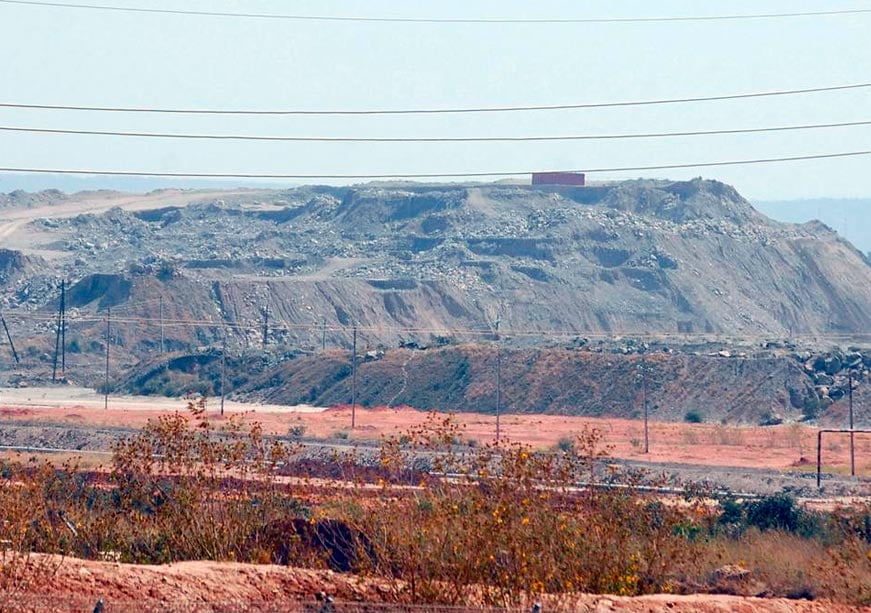
Across Africa, governments are tightening control over mineral exports through bans, quotas, and tariffs on unprocessed resources—signalling a decisive shift toward mineral sovereignty and domestic value creation.
From lithium and cobalt to chrome and copper, a growing number of African states are seeking to retain more value from their mineral endowments by restricting the export of raw materials. The strategy reflects mounting frustration with extractive models that have left economies exposed to commodity price cycles while downstream value and jobs accrue elsewhere.
A Wave of Policy Intervention

The push has accelerated sharply since 2023. In 2025 alone, several countries introduced or expanded restrictions:
Zimbabwe restricted exports of raw lithium and signalled potential limits on chrome exports.
- Botswana required mining firms to sell 24% of new concessions to local investors.
- Ghana banned mining in all forest reserves, revoking a 2022 regulation.
- Malawi imposed a temporary ban on all raw mineral exports.
- Democratic Republic of Congo placed bans on cobalt exports.
While the measures differ in scope and enforcement, they share a common objective: move Africa up the value chain by incentivising local processing, refining, and manufacturing.
The Economic Logic—and the Risk
At the core of these policies is a widely held view that decades of raw-material exports have failed to deliver broad-based development. Governments argue that keeping minerals local—or controlling how and when they are exported—can catalyse industrialisation, create skilled jobs, and anchor domestic supply chains.
However, the approach carries significant risks. Processing minerals domestically requires massive investment in energy, infrastructure, skills, and logistics—areas where many countries still face constraints. Without reliable power and regional coordination, export bans risk disrupting production, deterring investment, or simply shifting trade to informal channels.
Energy: The Critical Bottleneck
Mineral beneficiation is energy-intensive. Smelting, refining, and processing lithium, copper, and cobalt demand stable, affordable electricity at scale. In many mineral-rich countries, power deficits remain the single biggest obstacle to industrial ambitions.
Without accelerated investment in generation capacity—particularly gas, hydro, and renewables—domestic processing mandates may struggle to deliver intended outcomes. In this context, mineral sovereignty is inseparable from energy sovereignty.
Why Regional Coordination Matters
Another challenge is fragmentation. When countries act unilaterally, they risk undercutting each other or creating regulatory uncertainty across shared mineral belts. Coordinated approaches—through regional blocs or continental frameworks—could help pool infrastructure, harmonise standards, and avoid a race to the bottom.
The African Continental Free Trade Area (AfCFTA) offers a potential platform to align mineral policies with regional industrial strategies, enabling cross-border value chains rather than isolated national efforts.
A Turning Point for African Mining
Africa’s push for mineral sovereignty reflects a deeper recalibration of its relationship with global markets. The era of exporting rocks and importing finished goods is increasingly being challenged—politically, economically, and socially.
Whether the current wave of export controls delivers sustainable industrialisation will depend on execution: coordinated policy, credible incentives for investors, power-sector expansion, and the ability to balance national interests with regional integration.
What is clear is that Africa’s minerals are no longer viewed merely as commodities. They are being repositioned as strategic assets in a global energy transition—and African governments want a far greater share of the value they generate.
Share this content: