Ghana Moves to Rewrite Mining Laws to Capture Bigger Share of Gold Revenues

Ghana is preparing a sweeping overhaul of its mining laws as it seeks to secure a larger share of revenues from soaring gold prices—a move that has raised concerns among foreign mining companies operating in Africa’s top gold-producing nation.
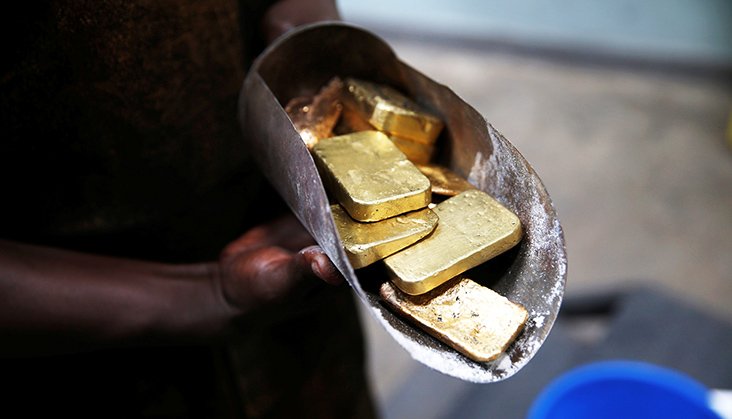
The proposed reforms come as global gold prices surged more than 65% in 2025, reaching record highs above US$5,100 per ounce, significantly boosting export earnings for gold-producing countries.
Revising a Long-Standing Mining Framework

Ghana’s mining code, which currently offers relatively favourable tax and royalty terms to investors, has not been comprehensively reviewed for more than a decade, according to regulators.
“We have a policy framework dating back to 2014 that has not been reviewed,” said Isaac Andrews Tandoh, acting chief executive of the Minerals Commission. “We had to do something to bridge this gap.”
Under reforms expected to be presented to parliament by March, mining royalties would rise from the current 3%–5% range to between 9% and 12%, depending on prevailing gold prices.
Foreign Dominance and Revenue Pressures
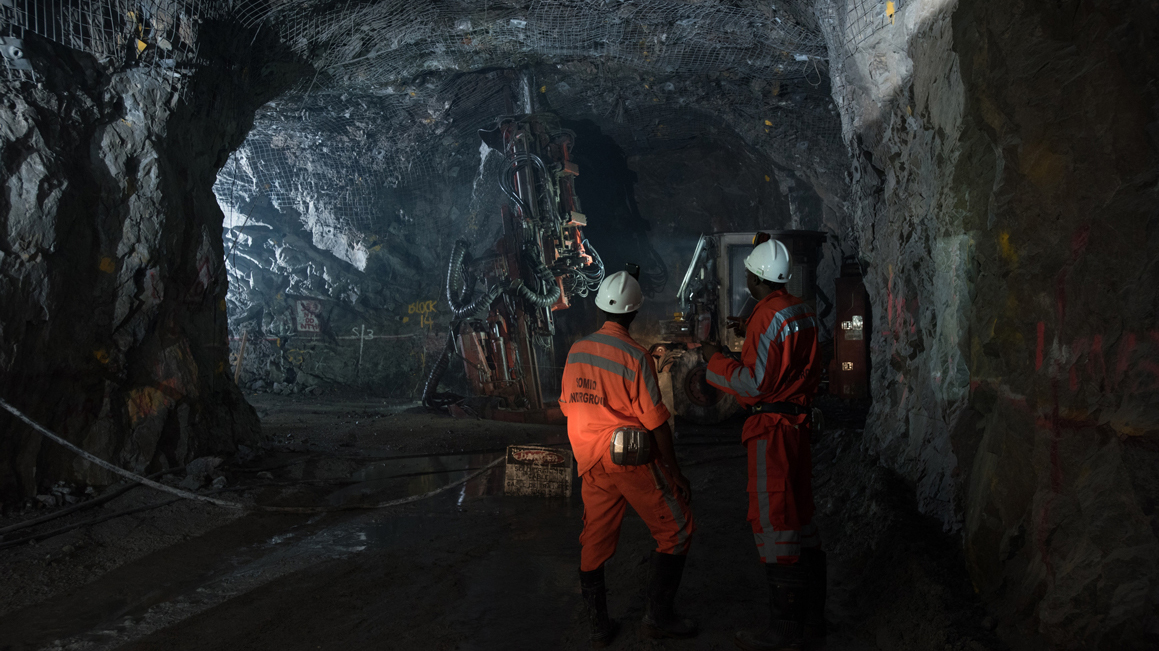
Ghana is the world’s sixth-largest gold producer, with large-scale production dominated by multinational firms including Newmont, Gold Fields, AngloGold Ashanti, and Perseus Mining.
Regulators argue that existing development agreements—which often freeze fiscal terms for five to 15 years in exchange for investments exceeding US$500 million—have limited Ghana’s ability to benefit fully from rising commodity prices.
Authorities say some firms have failed to honour investment commitments, using revenues generated in Ghana to acquire assets elsewhere.
As a result, the reforms would scrap development agreements entirely and review stability clauses that shield mining companies from future fiscal changes.
Investor Concerns Over Policy Shifts
The proposed changes place Ghana alongside other African countries—including Democratic Republic of Congo, Mali, and Tanzania—that have tightened control over natural resources amid strong global demand for gold and critical minerals.
However, analysts caution that policy shifts must be carefully managed.
Mining policy strategist Wisdom Gomashie said Ghana currently captures only about 10% of total mineral value through royalties, dividends, and taxes.
“The thinking of government is right,” he said. “But the approach should not be draconian.”
He warned that eliminating stability agreements while sharply increasing royalties could undermine long-term investment and access to external financing—particularly in emerging markets perceived as higher risk.
Industry Pushback
Industry groups have also raised concerns about competitiveness.
Kenneth Ashigbey, chief executive of the Ghana Chamber of Mines, said miners are not opposed to higher state participation but urged a balanced approach.
“What we are advocating for is a sweet spot—one where government secures sustainable revenues while the industry can expand, reinvest, and take advantage of high gold prices,” Ashigbey said.
Large-scale miners in Ghana already face a 5% royalty on gross revenue and a 35% corporate income tax, according to the chamber.
Gold Trade Controls and Fiscal Context
Alongside fiscal reforms, Ghana has tightened gold trading rules—particularly in the small-scale sector—to curb smuggling and improve transparency.
According to Ghana Gold Board, new licensing and tracking systems have strengthened oversight and boosted foreign exchange inflows. Ghana recorded approximately US$10.5 billion in gold export earnings last year.
The reform push comes amid mounting fiscal pressure. Ghana ended 2025 as Africa’s fourth-largest debtor to the International Monetary Fund, with US$4.1 billion outstanding, and recently received an additional US$365 million under a bailout programme. Public debt stood at 684.6 billion cedis (US$55.1 billion) in September.
Outlook
Ghana’s proposed mining reforms highlight the difficult balancing act facing resource-rich African states: capturing greater value from natural resources while preserving investor confidence.
As gold prices remain elevated, the outcome of Ghana’s policy overhaul could set an important precedent for mining jurisdictions across the continent navigating the intersection of fiscal stability, resource nationalism, and long-term investment.
Share this content: