Zambia Rejects Sh129 Billion US Health Deal Over Alleged Mining Conditions

Zambia has rejected a proposed Sh129 billion (approximately $1 billion) health assistance agreement with the United States, citing concerns over undisclosed conditions reportedly linked to access to the country’s strategic mineral resources.
According to a Reuters report, the Zambian government is now seeking to renegotiate the deal after civil society groups and policy advocates raised alarm about clauses, they say tie health funding to mining sector concessions. Critics also warned of potential data-sharing provisions that could expose sensitive national information.
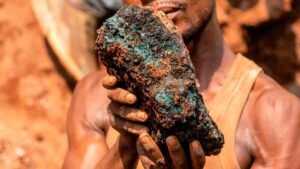
The proposed agreement, framed as a major public health support package, was intended to bolster Zambia’s health systems. However, stakeholders argued that the structure of the deal risked compromising national sovereignty and strategic control over critical minerals, including copper and other key resources central to Zambia’s economic development.

The administration of U.S. President Donald Trump has maintained that foreign aid programs should align with American national interests. Zambian officials, however, signaled that while they value international partnerships, agreements must remain transparent and mutually beneficial.
President Hakainde Hichilema has not publicly detailed the specific clauses under dispute, but government sources indicated that negotiations remain open, with Lusaka aiming to secure revised terms that separate health cooperation from extractive sector considerations.
The development underscores growing scrutiny across Africa over resource-linked diplomacy, as governments balance urgent development financing needs with long-term control of strategic assets.
Source: Reuters
Share this content: