China, US and Western Governments Pressure Ghana Over Proposed Gold Royalty Increase

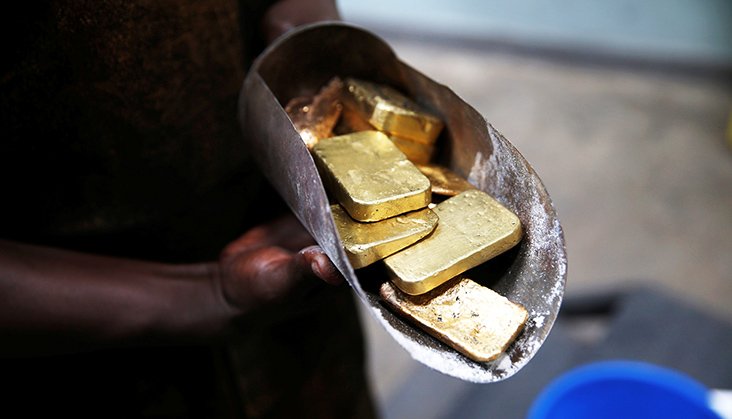
Major global powers including China and the United States are reportedly urging Ghana to reconsider a proposed increase in gold royalties that could significantly raise costs for mining companies operating in the country.
The coordinated diplomatic pressure comes as Ghana, Africa’s largest gold producer, plans to replace its current fixed 5% royalty with a sliding scale ranging from 5% to 12%, linked to international gold prices.
The proposal is part of the government’s broader strategy to capture more revenue from the recent surge in global gold prices.

Mining Industry Warns of Rising Costs
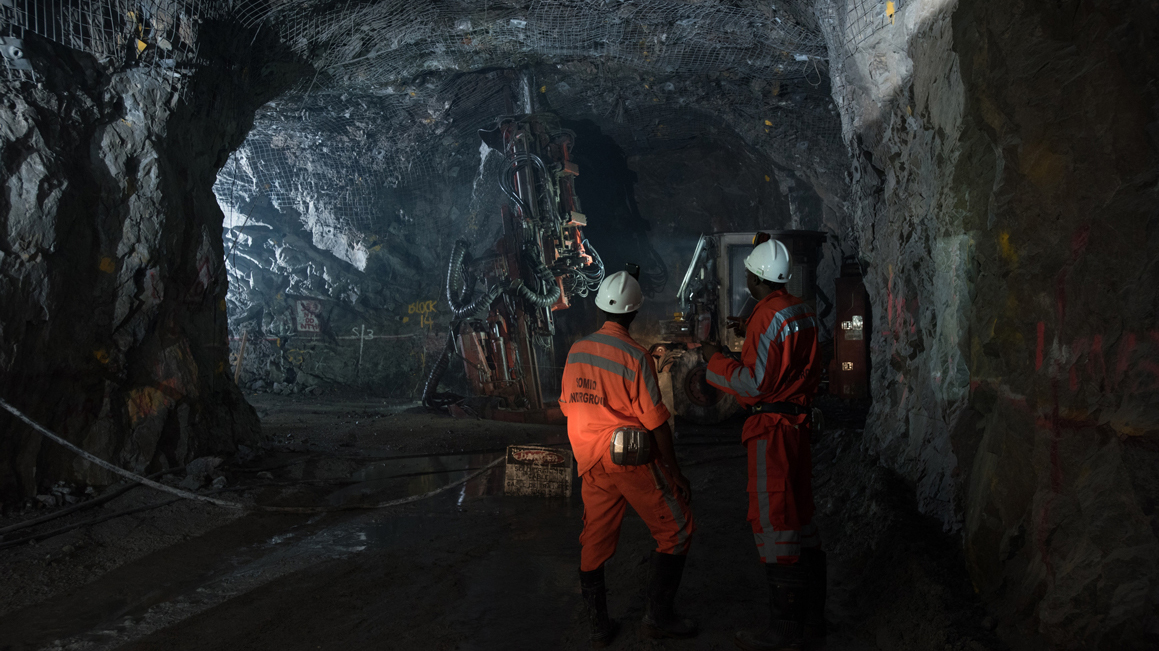
Mining companies argue that the higher royalty bands could make Ghana one of the most expensive mining jurisdictions in Africa, potentially squeezing profit margins and discouraging future investment.
The new royalty structure could come into effect as early as next week unless the government amends or withdraws the proposal.
Although Ghana has reportedly offered to reduce an existing mining levy to ease the transition to the new system, industry groups say the proposed royalty scale remains too steep.
Mining companies have therefore submitted alternative proposals with lower royalty rates.
Diplomatic Missions Raise Concerns
Diplomatic missions from several countries have become involved in the debate, including representatives from the United Kingdom, Canada, Australia and South Africa.
According to sources familiar with the discussions, diplomats from these countries recently met Ghana’s lands and natural resources minister and presented a joint document outlining concerns about the potential impact of the royalty increase on the mining sector.
Industry executives described the diplomatic intervention as unusually coordinated, reflecting the importance of Ghana’s gold sector to global mining companies.
Major Mining Companies Push Back
Several leading global gold producers have privately expressed concerns about the proposed changes.
Executives from companies including Newmont, Gold Fields, AngloGold Ashanti and Perseus Mining have reportedly written to Ghanaian authorities urging them to reconsider the policy.
Chinese mining firms operating in Ghana have also filed formal objections. These include Zijin Mining, Chifeng Gold and Shandong Gold.
According to an industry letter sent by the Association of China–Ghana Mining, the proposed royalty changes could threaten the economic viability of several operations, including the Akyem, Wassa and Cardinal gold mines.
Strong Gold Prices Drive Government Revenue Push
Ghana’s move comes at a time when global gold prices have reached record highs, boosting profits across the mining industry.
Several Ghana-linked producers reported strong financial results in 2025. Newmont generated more than $7 billion in earnings, while Gold Fields more than doubled its profits. AngloGold Ashanti tripled its earnings, and Perseus Mining reported profits of $421.7 million, representing a 16% year-on-year increase.
Ghana’s government argues that adjusting the royalty structure would allow the country to capture a larger share of mining revenues during periods of strong commodity prices.
Balancing Investment and Resource Revenue
The debate highlights a broader challenge facing many resource-rich countries in Africa: balancing the need to attract foreign investment with the desire to maximise revenues from natural resources.
While governments seek to benefit more from commodity booms, mining companies warn that sudden fiscal changes can undermine investment certainty and raise operational costs.
The outcome of Ghana’s proposed royalty reform could therefore have wider implications for mining taxation policies across Africa.
Share this content: