Glencore May Exit South Africa Smelter Rescue Talks Over Power Deal Conditions
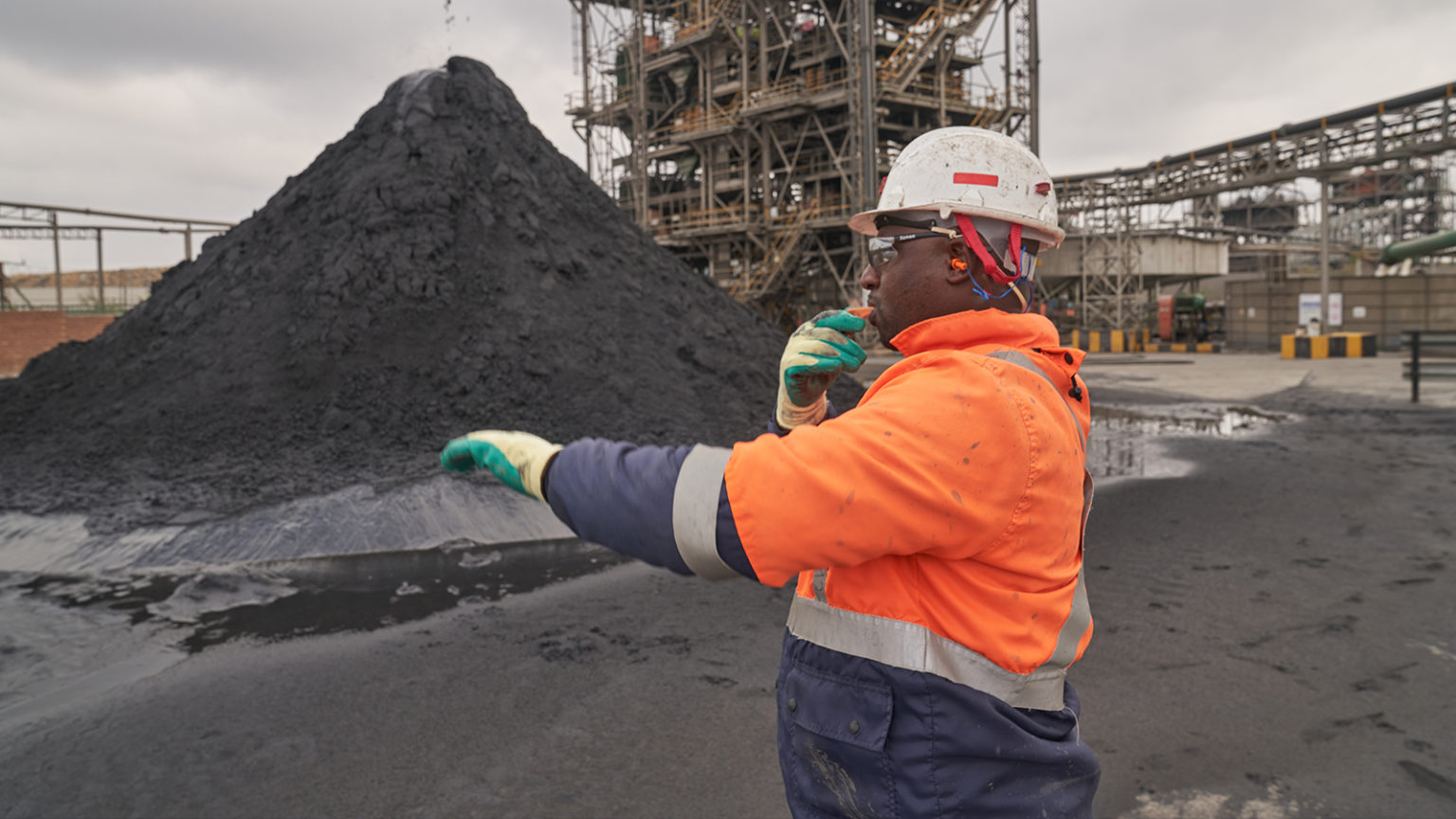
Global mining giant Glencore could withdraw from ongoing negotiations with the South Africa government over a proposed discounted electricity package, raising concerns about the future of the country’s ferrochrome industry.
Power Tariff Dispute Threatens Smelter Survival
Glencore’s ferrochrome division is seeking reduced electricity tariffs to keep its loss-making smelters operational and avoid significant job losses. However, the company has signaled it may walk away from the deal if current conditions remain unchanged.

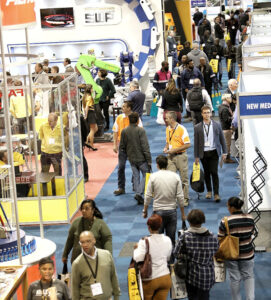
Speaking at a mining conference in Johannesburg, CEO Japie Fullard expressed concerns over the terms attached to the proposed tariff reduction.
“The terms and conditions, the way that it is now, I unfortunately will not be in a position to sign,” he said.
Eskom’s Discounted Electricity Offer
State utility Eskom has offered a significant tariff reduction to support struggling ferrochrome producers. The proposal would lower electricity costs from 1.36 rand to 0.62 rand per kilowatt hour, nearly halving energy expenses.
The offer, extended to Glencore and Samancor Chrome, is aimed at stabilizing operations and preserving thousands of jobs in the sector. However, it remains subject to approval by the national energy regulator, with key conditions yet to be disclosed.
Jobs at Risk as Talks Continue
Glencore has temporarily delayed planned layoffs until March 31 to allow negotiations to continue. If no agreement is reached, up to 1,500 jobs could be lost.
Meanwhile, Samancor Chrome has indicated it will proceed with retrenchments, warning that while lower tariffs would ease cost pressures, the accompanying conditions could threaten the long-term viability of the ferrochrome industry.
Ferrochrome Industry Under Pressure
South Africa’s ferrochrome sector has been under increasing strain due to rising electricity costs and global competition.
Power tariffs have surged nearly tenfold since 2008, placing heavy pressure on smelters. At the same time, producers face stiff competition from lower-cost operators, particularly in Asia.
As a result, only 11 out of 66 smelters in South Africa remain operational, highlighting the scale of the industry’s decline.
Government Push to Save Strategic Industry
The South African government is eager to preserve the ferrochrome industry, which:
- Employs thousands of workers
- Supports mining value chains
- Serves as a major customer base for Eskom
The discounted electricity package is seen as a critical intervention to prevent further closures and sustain industrial capacity.
Uncertain Outlook for Negotiations
Negotiations between ferrochrome producers and government officials are ongoing, with both sides under pressure to reach a compromise.
However, the lack of clarity around the conditions attached to the tariff deal remains a major sticking point. If no agreement is reached, the withdrawal of Glencore could accelerate job losses and further weaken South Africa’s ferrochrome industry.
Conclusion
Glencore’s potential exit from the rescue talks underscores the delicate balance between industrial support and regulatory conditions. As energy costs continue to weigh on heavy industry, the outcome of these negotiations could have far-reaching implications for South Africa’s mining sector and broader economy.
Share this content: