Giyani Metals Advances Botswana Manganese Project with Feasibility Study Despite Higher Costs
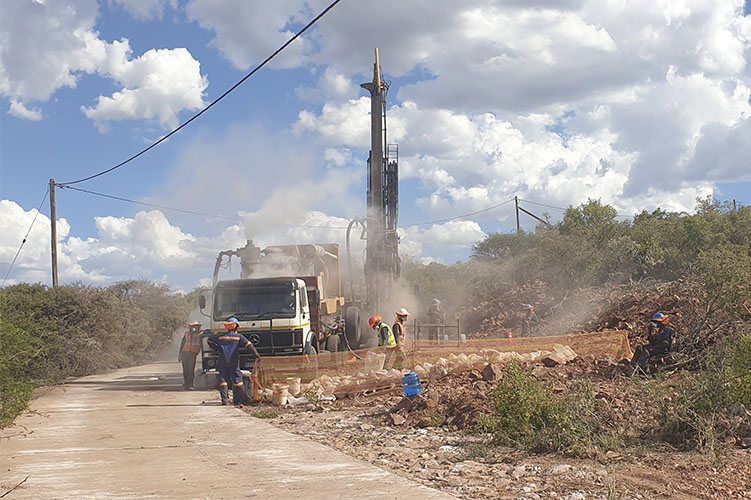
Exploration drilling at Giyani Metals’ K.Hill project in Botswana. Credit: Giyani Metals
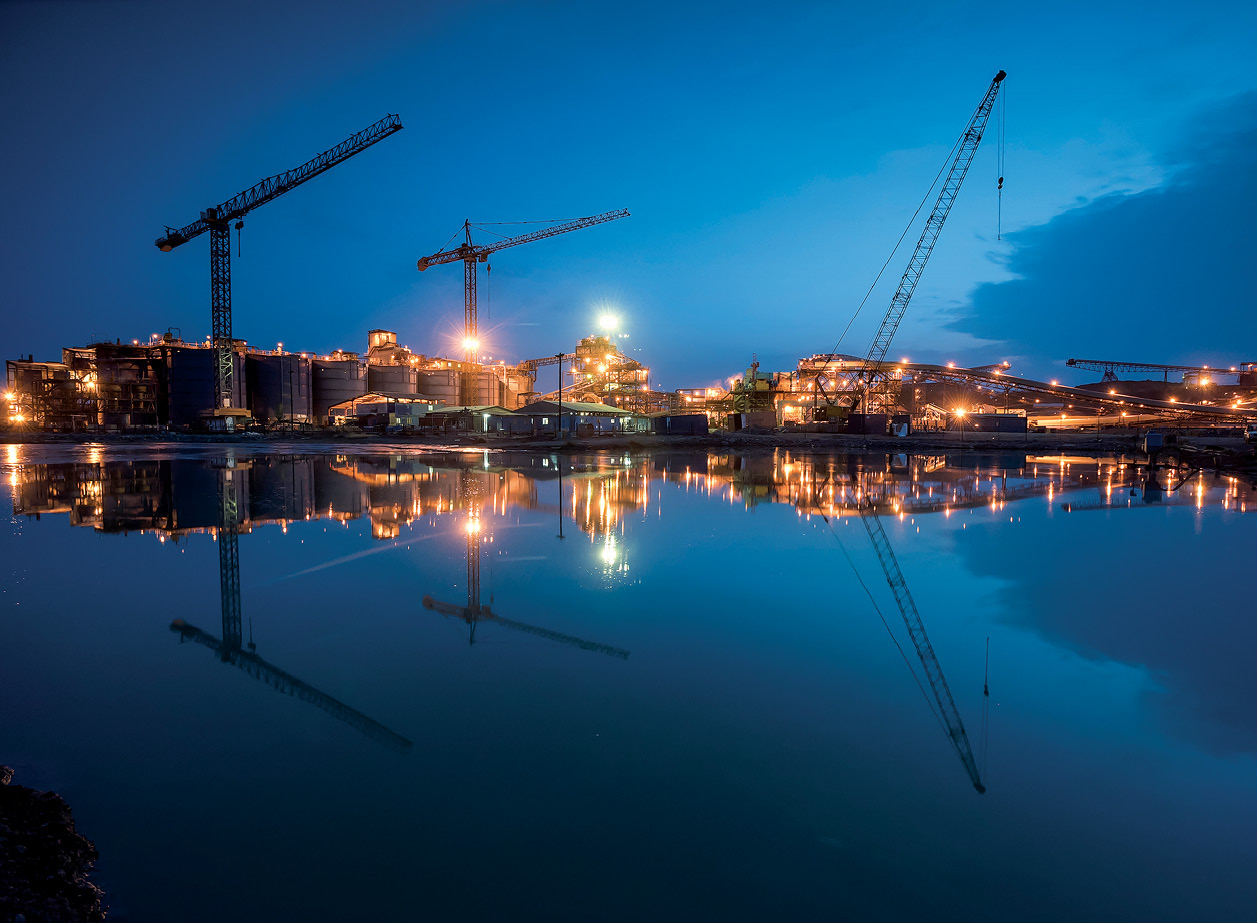
Giyani Metals has released a feasibility study for its K.Hill manganese project in Botswana, outlining a more capital-intensive but technically upgraded development supported by proven and probable reserves for the first time.
The study positions the K.Hill project as a long-term supplier of battery-grade manganese products aimed at serving growing demand from the electric vehicle and energy storage sectors, particularly in Western markets seeking alternatives to Chinese-controlled supply chains.

Located approximately 60 kilometres southwest of Gaborone, the open-pit project is expected to become a vertically integrated source of high-purity manganese products used in lithium-ion battery manufacturing.
Lower Valuation and Higher Capital Requirements
According to the feasibility study, K.Hill carries an after-tax net present value of approximately $481.5 million at an 8% discount rate, representing a significant reduction from the valuation outlined in the company’s 2023 preliminary economic assessment (PEA).
Initial capital costs have increased sharply to $535 million, an 88% rise from earlier estimates, while the project’s internal rate of return declined to 20%.
The updated study also projects lower total manganese production of approximately 1.5 million tonnes, representing a 57% reduction compared with the earlier PEA. Mine life has similarly been reduced to 25 years.
Despite the revised economics, Giyani management maintains that the project remains strategically important within the rapidly evolving battery materials market.
“These results endorse K.Hill as a unique mine-to-market battery-grade supplier of manganese to meet growing Western demand and provide a solid foundation for further optimization and continued development of the project,” interim executive chair Nigel Robinson said.
Focus on Battery-Grade Manganese Supply
Giyani has been developing downstream processing capabilities alongside the mine project, including the production of high-purity manganese oxide (HPMO) and high-purity manganese sulphate monohydrate (HPMSM) through its demonstration plant in Johannesburg.
The company believes its integrated approach could help establish a non-Chinese supply chain for battery-grade manganese products, which are becoming increasingly important for electric vehicle battery chemistries and large-scale energy storage systems.
Global manganese production remains concentrated in countries such as South Africa, Australia and Gabon, while China continues to dominate the refining and processing of battery-grade manganese materials.
Few Western nations currently maintain meaningful production capacity for battery-grade manganese outside Australia and Brazil, increasing interest in alternative supply sources.
Reserve Upgrade and Development Timeline
One of the key milestones in the updated study is the conversion of the K.Hill resource into proven and probable reserves.
The feasibility study estimates reserves of approximately 5.3 million tonnes grading 12% manganese oxide, containing around 642,000 tonnes of manganese metal.
Giyani indicated that mine construction could begin in early 2027, with commissioning targeted for late 2028 and full process plant ramp-up expected during 2029.
Investor reaction to the study was cautiously positive, with Giyani shares rising approximately 5% in morning trading in Toronto, valuing the company at roughly C$33.1 million.
Share this content: