Tanzania’s Strategy to Become a Global Critical Minerals Leader Gains Momentum

Tanzania is accelerating efforts to position itself as a key player in global critical minerals supply chains, as governments and investors look for alternatives to China’s dominance in mineral processing and refining.
The country is increasingly marketing itself as a stable, investment-friendly destination for mining capital, with reforms aimed at boosting value addition, reducing regulatory uncertainty, and strengthening long-term sector growth.
Critical Minerals at the Core of Tanzania’s Economy

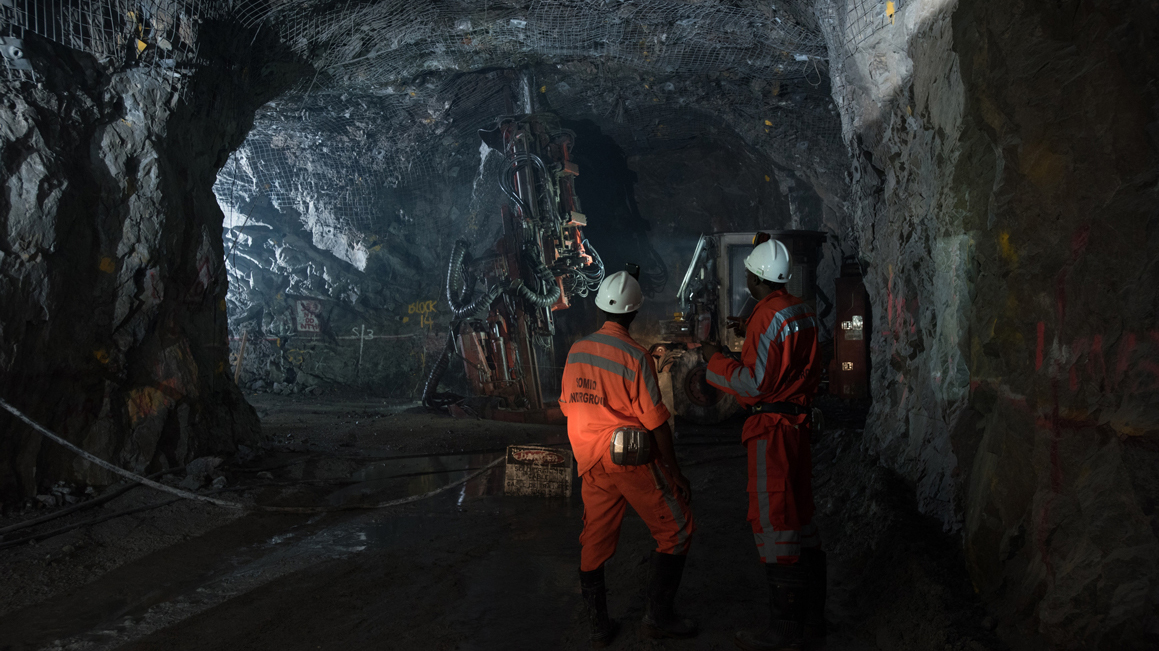
Critical minerals already account for an estimated 50% to 55% of Tanzania’s total export value, making mining one of the country’s most important industries and positioning Tanzania as a leading mining economy in East Africa.
As global demand for minerals used in electric vehicles, renewable energy systems, and advanced manufacturing continues to grow, Tanzania is seeking to expand its role in global supply chains beyond raw extraction.
Reforming the Mining Investment Framework
The government’s latest 2026/27 national budget places mining at the centre of Tanzania’s economic strategy, focusing on domestic revenue generation, industrialisation, and job creation.
A key component of this strategy involves reforms to Framework Agreements, which govern large-scale mining investments.
Under the proposed changes:
- Tax exemptions under Cabinet-approved agreements will take effect withou requiring additional Government Notices
- Regulatory processes will be simplified to reduce delays and bureaucratic uncertainty
- Investors will benefit from clearer and more predictable fiscal terms
These reforms are designed to improve confidence among international mining companies undertaking multi-billion-dollar projects in Tanzania’s critical minerals sector.
Strengthening Domestic Mining Capacity
Alongside investor-focused reforms, Tanzania is also investing in domestic sector development.
The government has proposed allocating 10% of gross mineral revenue to a new Mineral Research Fund, aimed at:
- Improving geological surveys and exploration data
- Supporting technical capacity in the mining sector
- Enhancing productivity among small-scale miners
Small-scale mining remains a major contributor to Tanzania’s mineral economy, accounting for around 40% of mineral revenues and providing employment for thousands of people.
Expanding Mineral Markets and Transparency
Over the past five years, Tanzania has established more than 40 mineral trading centres and buying markets across the country.
These reforms have helped:
- Improve transparency in mineral pricing and trade
- Reduce illegal smuggling activities
- Enable small-scale miners to access fairer market prices
The system has strengthened government oversight while improving efficiency in mineral supply chains.
Competing in a Changing Global Market
Global critical mineral supply chains remain heavily concentrated, with China controlling a dominant share of processing and refining capacity. This has increased pressure on other countries to diversify supply sources.
Tanzania is positioning itself as part of this diversification effort by offering:
- Regulatory predictability
- Improved investment frameworks
- Greater emphasis on downstream value addition
This approach contrasts with more interventionist strategies seen in some neighboring countries, where export controls and quotas have been used to influence global pricing.
Focus on Long-Term Investment Stability
While Tanzania’s strategy is attracting investor interest, its success will depend on implementation.
Key challenges include:
- Strengthening regulatory institutions
- Reducing delays caused by administrative capacity constraints
- Clarifying how new framework rules apply to existing agreements
Despite these challenges, the policy direction signals a shift toward long-term investment stability and structured growth in the mining sector.
Outlook
Tanzania is increasingly presenting itself not just as a source of raw minerals, but as a stable and predictable destination for global mining investment.
If successfully implemented, its reforms could strengthen its position in global critical mineral supply chains and support broader industrial development across East Africa.
Share this content: