Illegal Mining Fuels Environmental Damage and Economic Losses Across Africa

Governments across Africa are intensifying efforts to combat illegal mining as the growing trade in illicit minerals threatens economic development, environmental sustainability and regional security.
Illegal mining has emerged as one of Africa’s most pressing socio-economic and environmental challenges, with governments introducing tougher enforcement measures to curb illicit mineral extraction, protect natural resources and recover lost public revenue.
From West Africa to Central and Southern Africa, unregulated mining activities are accelerating environmental degradation, fuelling illicit trade and undermining efforts to build transparent and sustainable mining industries.

Liberia Launches New Task Force Against Illegal Mining
Liberia has established the Protect Our Resources Taskforce (PORT) to strengthen enforcement across the country’s mining sector and combat illegal mineral extraction.
The task force will oversee mining operations nationwide, ensuring compliance with licensing requirements, royalty payments, environmental regulations and labour laws.
According to Liberia’s Ministry of Mines and Energy, the initiative is intended to improve oversight of the country’s mineral resources while reducing illegal mining and illicit gold trafficking.
Authorities believe stronger regulation will help increase government revenues, improve environmental protection and ensure that the country’s mineral wealth contributes to long-term economic development.
Illegal Mining Spreads Across Africa
Illegal mining continues to affect several African countries, including Liberia, Ghana, Nigeria, Senegal, Cameroon, Uganda, South Africa and the Democratic Republic of Congo (DRC).
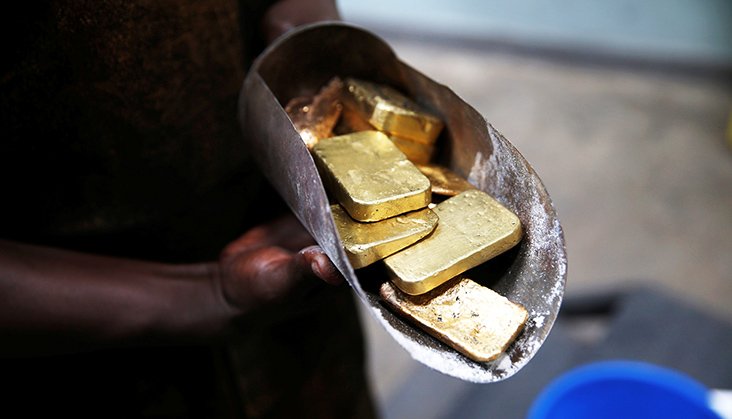
Gold remains the primary target of illicit mining operations, although the illegal extraction of critical minerals has also become an increasing concern as global demand for battery metals and strategic minerals continues to rise.
Weak enforcement, porous borders, limited formal employment opportunities and strong international demand for minerals have contributed to the expansion of illegal mining networks across the continent.
Environmental and Social Costs Continue to Rise
Illegal mining is causing widespread environmental degradation, particularly through deforestation, land degradation and the contamination of rivers with hazardous substances such as mercury used in gold processing.
Beyond environmental damage, illegal mining is creating significant social challenges.
In Uganda, authorities recently shut down an illegal gold mining operation in Kanungu District after large numbers of residents abandoned farming activities to participate in an informal gold rush.
The migration disrupted agricultural production, contributed to local food shortages and saw children leave school to support household incomes through mining activities.
Similar social and environmental pressures have been reported in several mining regions across Africa where informal mining has expanded rapidly.
Illegal Minerals Trade Fuels Conflict
In parts of Central Africa, illegal mining is also closely linked to organised crime and armed conflict.
In the Democratic Republic of Congo, armed groups have continued to exploit mineral-rich territories, using revenues from the illicit trade in gold and critical minerals to finance their operations.
The illegal trade in strategic minerals—including those used in electric vehicles, renewable energy technologies and advanced electronics—has become an increasingly important geopolitical issue as countries compete to secure reliable mineral supply chains.
Analysts warn that weak governance, corruption and cross-border smuggling continue to undermine efforts to formalise Africa’s mining sector and maximise the economic benefits of its vast mineral resources.
Strengthening Governance Across Africa’s Mining Sector
African governments are increasingly recognising that stronger regulation, improved licensing systems and enhanced law enforcement are essential to protecting mineral resources and attracting responsible investment.
Industry experts argue that formalising artisanal mining, improving traceability across mineral supply chains and increasing community participation could help reduce illegal mining while boosting exports and government revenues.
As global demand for gold and critical minerals continues to rise, addressing illegal mining will remain a priority for governments seeking to build transparent, sustainable and internationally competitive mining industries.
Strengthening governance across Africa’s mining sector is expected to play a critical role in ensuring that the continent’s mineral wealth supports economic growth, environmental stewardship and long-term development rather than fuelling illicit trade and instability.
Share this content: