Indian Billionaires Intensify Investment Push Across Africa as Competition with China Grows

India’s wealthiest business leaders are significantly expanding their investments across Africa, increasing competition with China for access to the continent’s critical minerals, telecommunications markets, infrastructure projects and renewable energy opportunities.
For more than two decades, China has dominated foreign investment across Africa, financing railways, highways, ports, power stations and mining operations. However, Indian corporations are steadily increasing their footprint through private-sector investments focused on mining, telecommunications, manufacturing, logistics and clean energy.
The growing investment drive reflects India’s strategy to secure long-term access to minerals essential for the global energy transition while strengthening trade relationships with African economies.

India Expands Strategic Presence Across Africa
Several of India’s largest conglomerates have established substantial operations across Africa through acquisitions, joint ventures and long-term investment programmes.
Telecommunications giant Airtel Africa, backed by Indian billionaire Sunil Bharti Mittal, has become one of Africa’s largest mobile network operators, providing telecommunications and digital financial services across 14 countries.
The Adani Group, led by billionaire Gautam Adani, has expanded its African portfolio through investments in ports, logistics, mining and energy infrastructure that support growing trade between Africa and India.
Steel producer ArcelorMittal, controlled by Lakshmi Mittal, continues to operate significant mining and steel assets in countries including Liberia and South Africa, while Vedanta Resources, founded by Anil Agarwal, remains a major investor in Zambia’s copper industry.
India’s renewable energy ambitions have also extended to Africa. Billionaire Raj Gupta recently announced plans for what could become one of sub-Saharan Africa’s largest solar-powered industrial developments in Nigeria, highlighting India’s increasing focus on sustainable infrastructure.
Critical Minerals Drive Investment Strategy
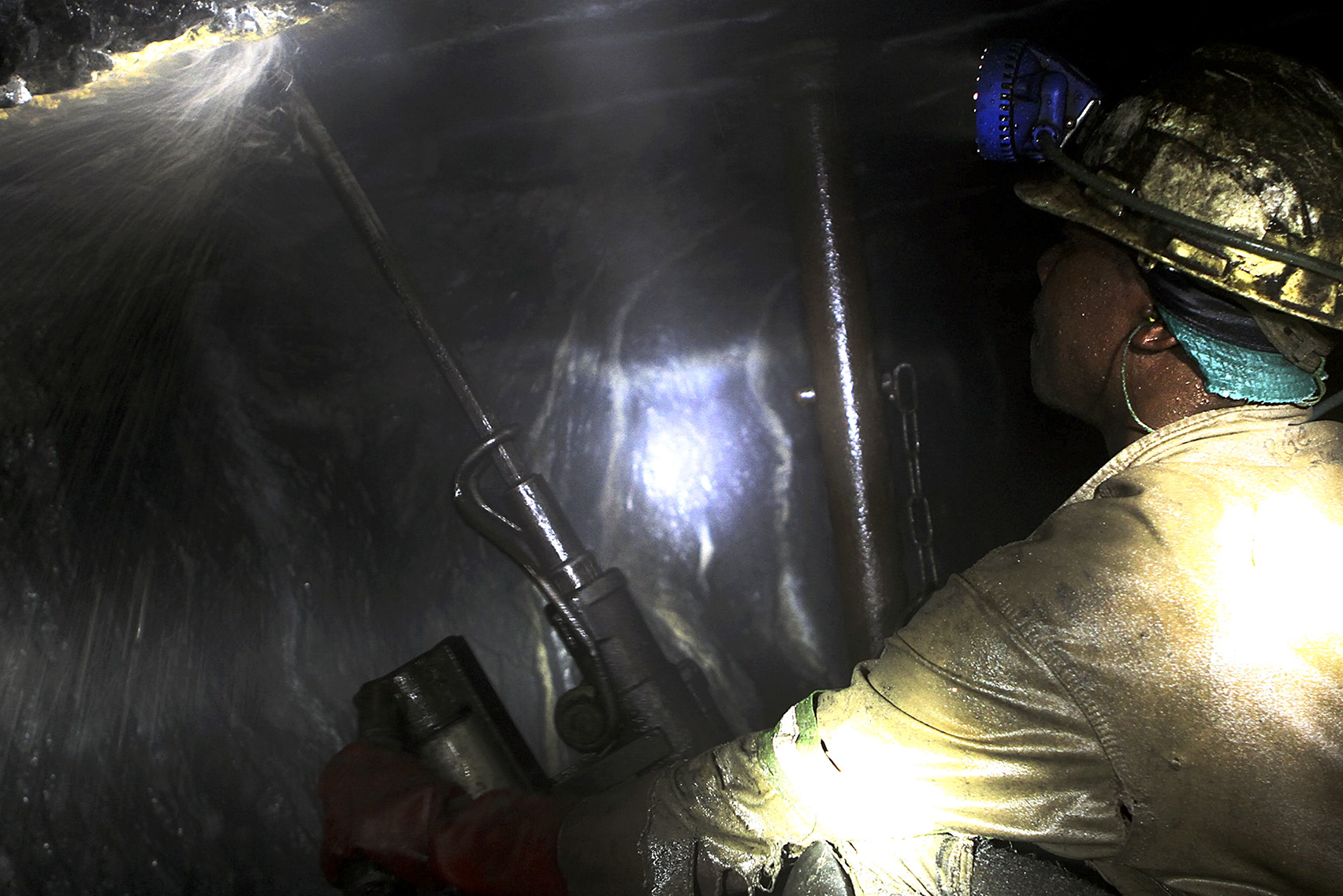
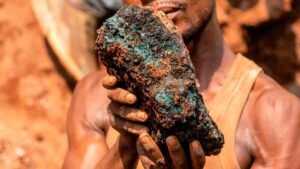
Africa’s vast reserves of lithium, copper, cobalt, graphite and rare earth minerals have become central to the competition between Indian and Chinese investors.
These minerals are essential for manufacturing electric vehicle batteries, renewable energy technologies and advanced electronics, making them increasingly valuable as countries accelerate the global energy transition.
Indian companies are actively pursuing opportunities in Zambia’s copper industry and are exploring investments in lithium and other strategic minerals across the continent. The Indian government has further reinforced this strategy through its National Critical Mineral Mission, designed to secure long-term supplies of essential raw materials.
Meanwhile, Chinese companies continue to dominate several key mineral sectors. Chinese mining firms maintain extensive investments in copper and cobalt production in the Democratic Republic of Congo while controlling a significant share of Zimbabwe’s rapidly expanding lithium industry.
China Maintains Strong Position
Despite India’s growing presence, China remains Africa’s largest trading partner and one of its most influential investors.
Chinese investment has been supported by large-scale government financing, extensive infrastructure development and favourable trade policies, including zero-tariff access for imports from most African countries.
Chinese companies have invested hundreds of billions of dollars globally since 2005, with Africa receiving substantial funding for transport infrastructure, mining, energy projects and industrial development.
The country’s extensive involvement has helped establish a strong presence across many of Africa’s strategic industries.
Africa Gains Greater Negotiating Power
The increasing competition between Indian and Chinese investors presents new opportunities for African governments seeking greater economic benefits from their natural resources.
Several countries are strengthening policies that require local mineral processing before export, encouraging investors to establish value-addition industries rather than exporting raw materials.
Zimbabwe has announced plans to prohibit exports of lithium concentrate from 2027 while promoting domestic processing. Namibia has already restricted exports of unprocessed lithium, and Nigeria continues encouraging investment in local mineral beneficiation.
These initiatives aim to create skilled employment, expand manufacturing capacity and increase export earnings by developing downstream industries.
Growing Investment Competition
Industry analysts believe the expanding rivalry between India and China is likely to deliver greater investment options for African countries while improving governments’ bargaining power during negotiations over mining licences, infrastructure development and industrial partnerships.
As global demand for critical minerals continues to accelerate, Africa’s resource-rich economies are expected to remain at the centre of international investment strategies, positioning the continent as a key supplier for the world’s clean energy future.
Share this content: