DR Congo Bans Copper and Cobalt Concentrate Exports to Accelerate Local Mineral Processing
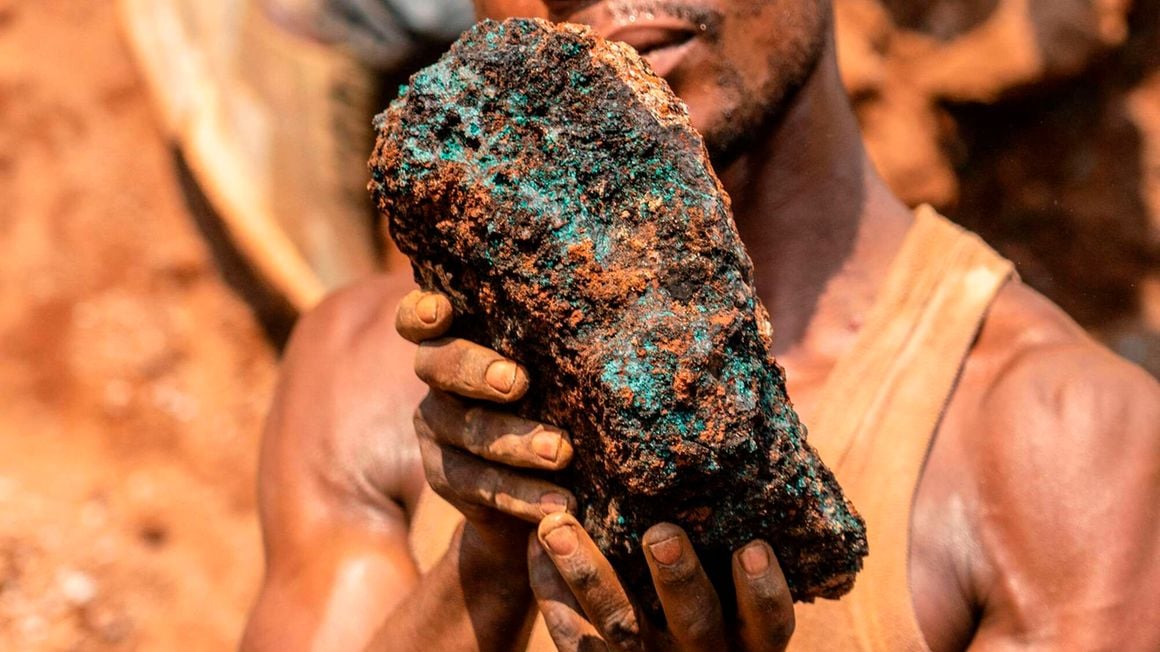
KINSHASA, DRC – The Democratic Republic of Congo (DRC) has introduced an immediate ban on exports of copper and cobalt concentrates as the government intensifies efforts to promote domestic mineral processing, strengthen value addition and retain a greater share of revenues from its vast mining sector.
The new directive, signed by Mines Minister Louis Kabamba Watum, Foreign Trade Minister Julien Paluku Kahongya, and Economy Minister Daniel Mukoko Samba, prohibits the export of copper and cobalt concentrates while introducing a revised tax framework for economically significant mining by-products.
The policy forms part of the government’s broader strategy to transform the country from a raw mineral exporter into a regional processing hub, encouraging mining companies to refine minerals locally before export.

According to the order, the export ban takes effect immediately, although authorities may grant waivers of up to one year under strategic circumstances. The regulation also introduces a three-month transition period for implementing a new taxation system covering valuable by-products recovered during mineral processing.
The government said the decision was driven by the need to encourage mining operators to market higher-value mineral products instead of exporting semi-processed concentrates.
The DRC has previously imposed similar export restrictions in 2013, 2019 and 2023, although exemptions were often granted where domestic smelting capacity could not accommodate production. The latest directive replaces the 2023 regulations with a broader framework governing mineral exports and taxation.
The country already exports most of its copper as refined cathodes rather than concentrates. During the first quarter of 2026, the DRC exported nearly 697,000 tonnes of copper cathodes, compared with just under 54,000 tonnes of copper concentrates containing approximately 18,900 tonnes of copper metal. Over the same period, the country also exported almost 52,000 tonnes of cobalt hydroxides, containing more than 17,000 tonnes of cobalt metal.
Following news of the export ban, copper prices on the London Metal Exchange climbed as much as 1.8%, reflecting market concerns over potential supply constraints from one of the world’s largest producers of critical minerals.
Industry analysts believe the immediate impact on most mining companies may be limited because a significant portion of the country’s copper and cobalt production is already processed domestically. However, operations that still rely on concentrate exports are expected to face the greatest disruption.
Among the companies likely to be most affected is the Kamoa-Kakula copper complex, jointly owned by Ivanhoe Mines, Zijin Mining, and the Congolese government, which has previously exported some concentrate under exemption arrangements.
In addition to the export restrictions, the new tax framework applies to trace and ultra-trace minerals recovered during refining. These by-products will be assessed using a 55% valuation coefficient, with royalties charged alongside those applied to the primary mineral.
The latest reforms reinforce the DRC’s ambition to capture more value from its world-leading cobalt reserves and substantial copper resources. By encouraging investment in domestic smelting and refining capacity, the government aims to strengthen industrial development, create skilled employment opportunities and position the country more competitively within global critical mineral supply chains.
Share this content: