Africa Can Unlock a Trillion-Dollar Critical Minerals Opportunity Through Value Addition and Regional Integration
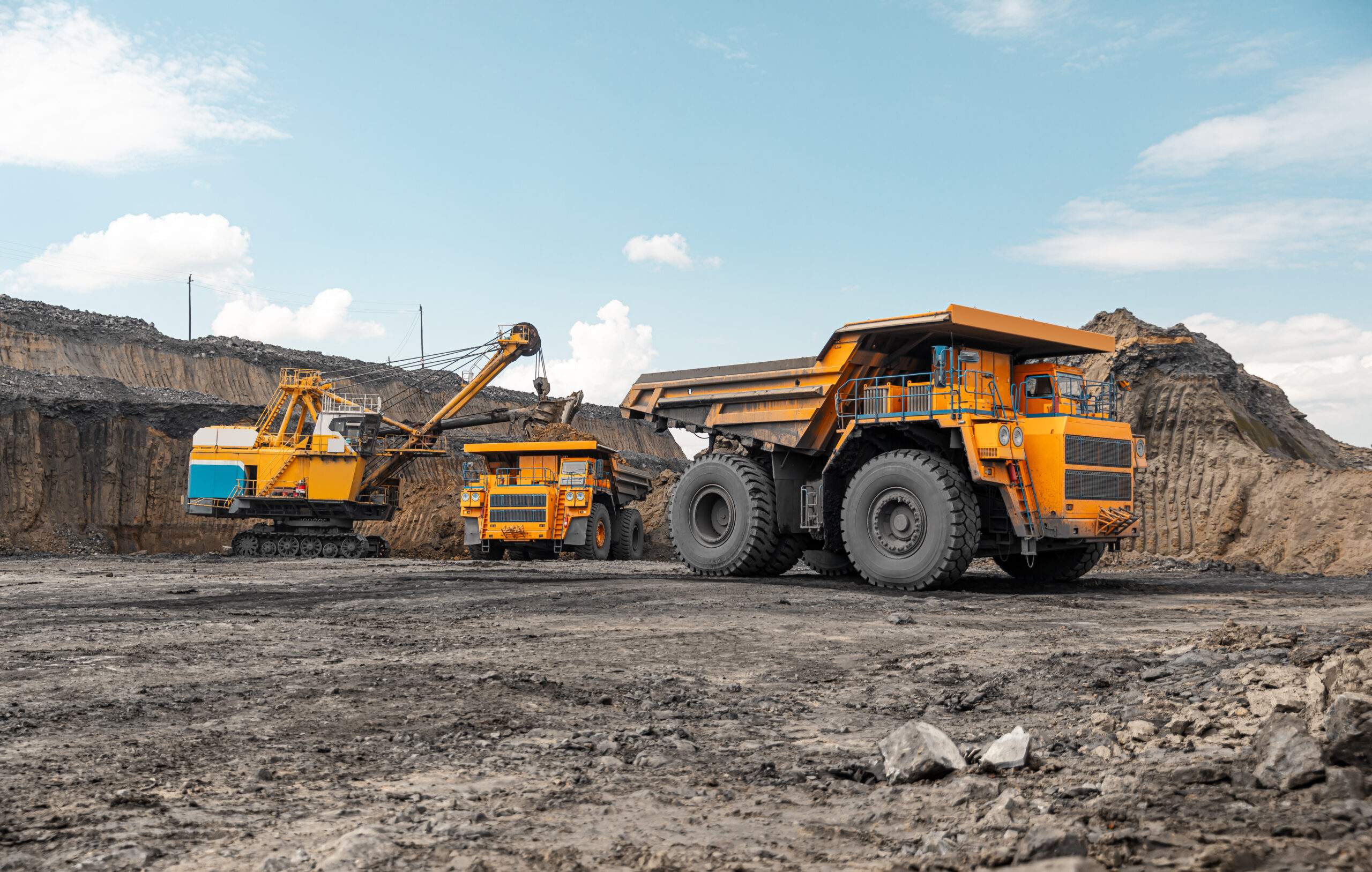
WASHINGTON, D.C. – Africa stands at the centre of the global critical minerals race, with vast reserves of lithium, cobalt, copper, graphite, manganese, rare earth elements and other strategic resources essential for the clean energy transition, advanced manufacturing and digital technologies. However, industry leaders argue that the continent must shift from exporting raw minerals to building value-added industries if it is to capture the full economic benefits of its resource wealth.
With an estimated 30% of the world’s critical mineral deposits, Africa possesses the natural resources needed to support rapidly growing global demand. Countries including the Democratic Republic of Congo, Zambia, Zimbabwe, South Africa and Guinea hold some of the world’s largest deposits of cobalt, copper, lithium, platinum, manganese, chrome, bauxite and iron ore.
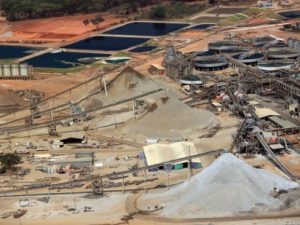
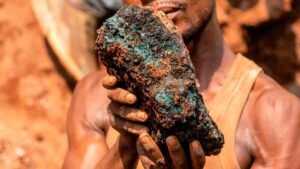
Despite this abundance, Africa continues to capture only a small share of the value generated from its mineral resources, largely because of limited investment in exploration, processing facilities, transport infrastructure and downstream manufacturing. Much of the continent’s minerals continue to be exported in raw form, while higher-value refining, processing and manufacturing activities take place elsewhere.

Recognising this challenge, the African Union’s 2025 Green Mineral Strategy aims to transform the sector through four strategic pillars: advancing mineral development, strengthening human and technological capabilities, building regional value chains and promoting responsible mineral governance. The strategy also seeks to leverage the African Continental Free Trade Area (AfCFTA) to encourage regional processing and industrial integration.
Nigeria’s Minister of Solid Minerals Development, Dele Alake, has urged African governments to prioritise local mineral processing, arguing that value addition is essential for creating jobs, developing industries and increasing economic returns. He also advocated for wider adoption of the Pan-African Resource Reporting Code (PARC) to ensure African countries assess and value their mineral resources using standards developed on the continent.
Momentum is already building across Africa, with approximately 13 countries introducing restrictions or outright bans on exports of unprocessed minerals, including lithium, cobalt, manganese and gold, to encourage domestic refining and manufacturing. In Nigeria, mining licence applicants are now required to include local processing plans, a policy that has already attracted billions of dollars in investment into mineral processing projects.
Industry experts believe infrastructure investment remains one of the biggest requirements for unlocking Africa’s critical minerals potential. Improved roads, railways, ports, reliable electricity, geological mapping, exploration technology and mineral processing facilities are all viewed as essential to developing competitive mining value chains.
According to geologist Salawu Olamide, investments in exploration, research, modern mining technologies, skills development and innovation will help improve operational efficiency, attract investors and create sustainable employment opportunities across the mining industry.
Collaboration between governments, investors, mining companies, technology providers and development finance institutions is expected to play a central role in accelerating this transformation.
These priorities will form part of discussions at the Africa Business and Investment Summit (ABIS) 2026, scheduled for 27–28 August in Washington, D.C. Organised by the Millennium Excellence Foundation, the summit aims to connect policymakers, investors, mining companies, technology providers and members of the African diaspora to promote partnerships that support industrialisation and sustainable investment across Africa’s critical minerals sector.
As global demand for critical minerals continues to rise, Africa has an opportunity to move beyond supplying raw materials and become a leading hub for mineral processing, manufacturing and industrial development. Achieving this transition will require coordinated investment, supportive policies and stronger regional cooperation to ensure the continent captures greater value from its natural resources while creating long-term economic growth and employment.
Share this content: