Sinomine Secures Extra Zimbabwe Lithium Export Quota
China’s Sinomine Resource Group has secured an additional 300,000 tonnes of lithium concentrate export quota from Zimbabwe, providing the company with continued access to overseas markets ahead of the country’s planned ban on lithium concentrate exports.
The development comes as Zimbabwe, Africa’s leading lithium producer, tightens controls on the export of unprocessed minerals and pushes mining companies to increase local processing.
Sinomine Gets Second Export Allocation

Sinomine, which operates the Bikita lithium mine, received its latest export allocation in July after securing an initial 200,000-tonne quota in April.
The company said lithium concentrate production and shipments from Bikita have returned to normal following disruptions between February and April. Supply is currently sufficient to meet the requirements of Sinomine’s processing operations in China.
Zimbabwe introduced lithium export quotas in April after temporarily suspending concentrate exports amid concerns over alleged leakages and irregularities in the sector.
Zimbabwe Pushes Local Lithium Processing
The export restrictions form part of Zimbabwe’s broader strategy to capture more value from its mineral resources.
The government plans to ban exports of lithium concentrates from January 2027, increasing pressure on mining companies to establish processing capacity inside the country.
Sinomine is responding by expanding its own processing footprint at Bikita. The company is developing a 100,000-tonne-per-year lithium sulphate plant, which is expected to be completed in mid-2027.
Lithium sulphate is an intermediate product that can be further processed into battery-grade lithium chemicals such as lithium carbonate and lithium hydroxide.
Chinese Companies Dominate Zimbabwe Lithium
Chinese investment continues to dominate Zimbabwe’s rapidly developing lithium industry.
Sinomine operates two processing plants at Bikita with combined capacity for 600,000 tonnes of spodumene and petalite concentrates annually. A recent upgrade is expected to raise spodumene concentrate capacity to 400,000 tonnes per year.
Meanwhile, Zhejiang Huayou Cobalt operates Zimbabwe’s first lithium sulphate plant and began exporting lithium salts from the country earlier this year.
Sichuan Yahua is also developing a lithium sulphate plant at its Kamativi lithium operation.
Chinese companies have invested approximately $2 billion in Zimbabwe’s lithium mining and processing industry since 2021, strengthening China’s position in the country’s battery-minerals supply chain.
A New Phase for Zimbabwe’s Lithium Industry
The additional export quota gives Sinomine breathing room as Zimbabwe transitions from a concentrate-exporting model towards domestic processing.
For Zimbabwe, the challenge will be ensuring that new processing investments create jobs, generate greater export revenues and retain more value within the country.
For miners such as Sinomine, the shift means greater investment in processing infrastructure will increasingly become essential to maintaining access to Zimbabwe’s lithium resources.
With the 2027 export ban approaching, Zimbabwe’s lithium industry is entering a decisive phase in its ambition to become not only a major producer of the battery metal, but also a more important processing hub.
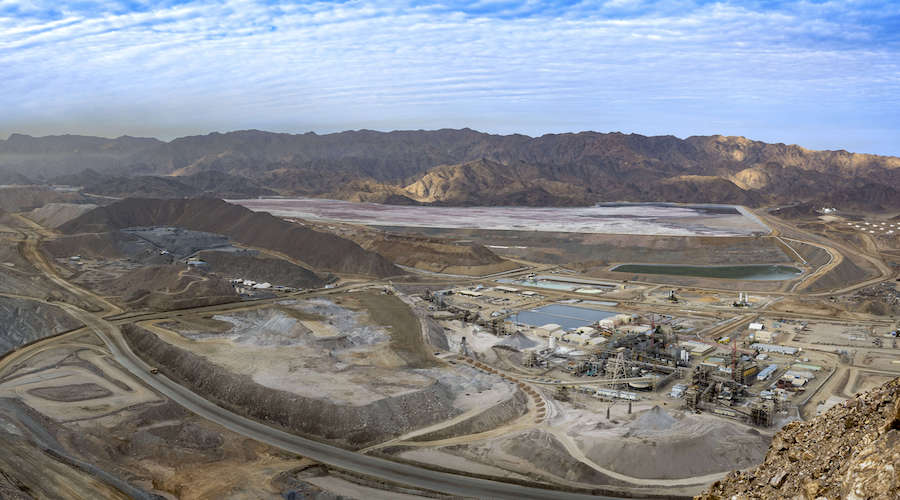
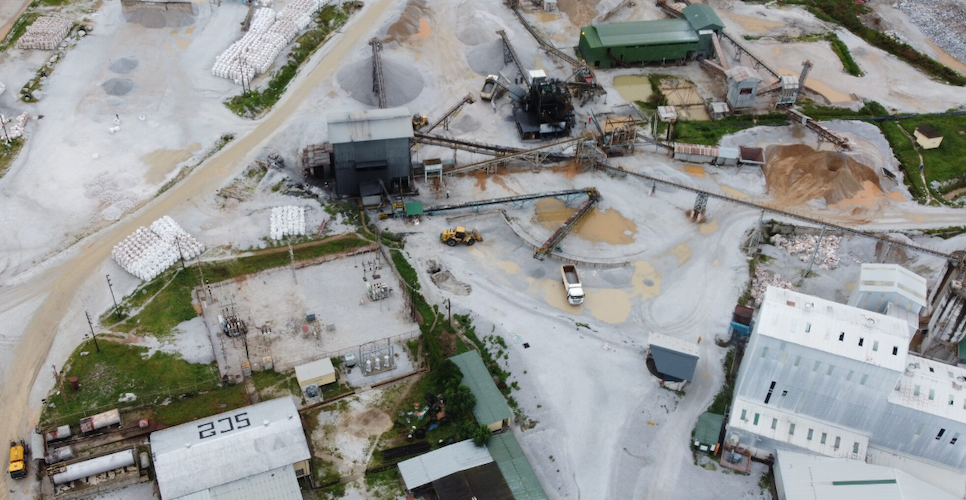
(Image courtesy of Sinomine Zimbabwe Bikita Mining.)
Share this content: