US Backs $414 Million Uranium Project in Niger as Strategic Supply Interest Grows
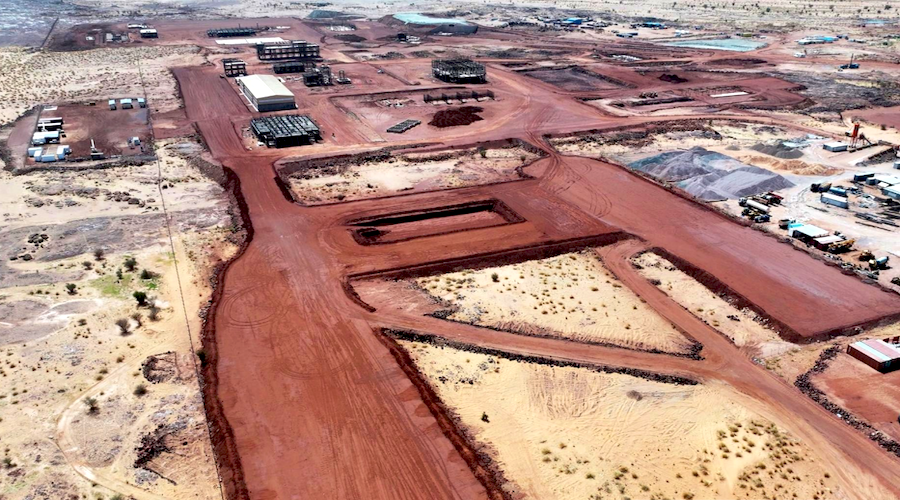
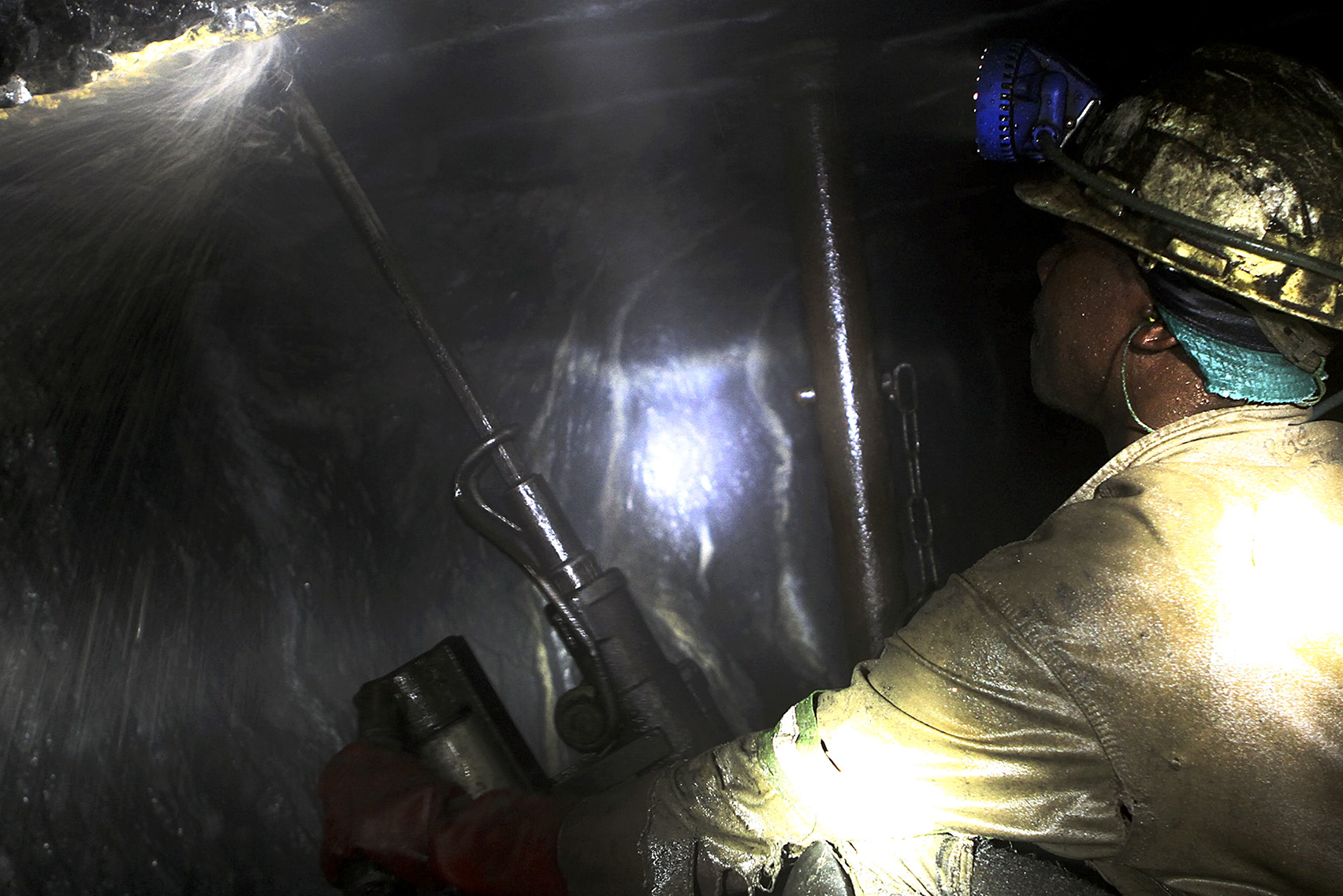
The Dasa project. (Image: Global Atomic’s presentation.)
The US government has approved up to $414 million in financing for Global Atomic’s Dasa uranium project in Niger, strengthening prospects for development of one of Africa’s significant uranium deposits and potentially increasing US access to the strategic energy resource.
The financing was approved by the US Development Finance Corporation (DFC), according to Global Atomic, the Canadian company developing the project. Global Atomic describes Dasa as the highest-grade uranium deposit in Africa.

The commitment comes two years after Niger ordered US forces to leave the country following the military takeover in 2023. Since then, relations between Niger and Western governments have deteriorated, while the country has strengthened security cooperation with Russia.
Niger is the world’s seventh-largest uranium producer, making its reserves strategically important to international energy markets. Uranium was added to the US critical minerals list last year, increasing attention on supplies outside traditional markets.
The Dasa project could therefore become an important source of uranium for international buyers as countries seek to diversify supply chains for nuclear fuel.
However, developing the project will require Global Atomic to overcome significant security and logistical challenges. Niger has experienced repeated attacks by jihadist groups, while political instability has added further uncertainty for companies operating in the country.
Transport is another major challenge. Niger is landlocked, meaning uranium produced at Dasa must be transported through regional corridors to reach international markets. According to people familiar with discussions around the project, Global Atomic has been examining alternative export routes because of growing risks along existing corridors to the coast.
One option under consideration is a northern route through Algeria and across the Sahara Desert. Improved relations between Algeria and Niger could potentially support discussions around alternative regional transport links, although the feasibility of such a route remains subject to infrastructure, security and commercial considerations.
The US financing also comes as Niger remains embroiled in a dispute with French state-backed uranium company Orano, which has challenged the loss of control over mining assets in the country through international arbitration.
The changing investment landscape reflects Niger’s efforts to assert greater control over its natural resources while international governments and companies seek access to strategically important minerals.
For Global Atomic, the DFC financing represents a significant step towards advancing Dasa. The company has been working to secure the funding and address remaining requirements for the project.
The investment also highlights the growing strategic importance of uranium in global energy markets. As countries reassess energy security and nuclear power capacity, access to reliable uranium supplies is becoming an increasingly important consideration.
For Niger, the development of Dasa could provide additional mining investment and export revenue, but the project’s progress will depend on security conditions, infrastructure and the ability to establish reliable export routes.
The $414 million financing commitment places Dasa at the centre of renewed international interest in Niger’s uranium sector, linking the country’s mineral resources with broader efforts to diversify strategic energy supply chains.
Share this content: