FLS Strengthens Lifecycle Strategy for African Mining After Electra Mining Africa
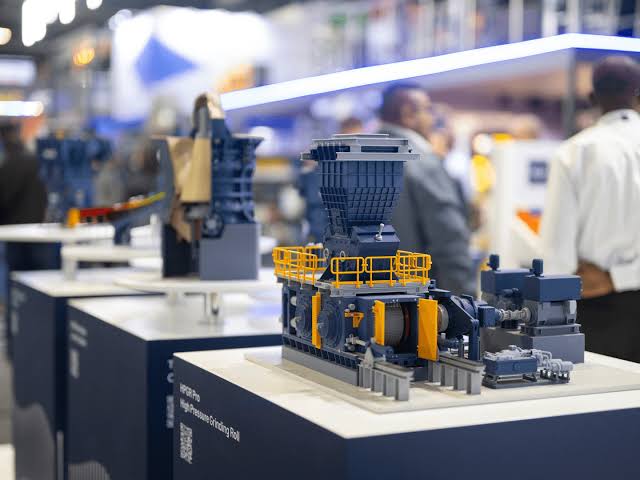
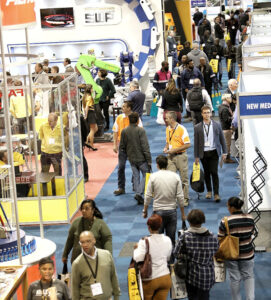
The growing focus on extending the life of existing processing infrastructure is reshaping how mining companies across Africa approach equipment, maintenance and plant optimisation, according to FLS following Electra Mining Africa.
Mining operations are facing ageing processing infrastructure, constrained capital budgets and increasing pressure to improve productivity, reliability and sustainability. As a result, many operators are prioritising improvements to existing assets rather than committing to large greenfield developments.
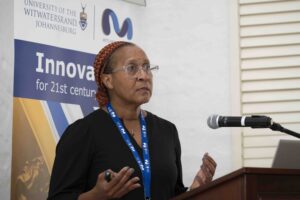
FLS President of Sales and Services for Africa Bernard Kaninda said discussions at Electra Mining Africa showed that operational improvement is becoming a greater priority for mining companies.

“Many operations are looking to increase throughput, improve recovery and extend plant life without committing to significant capital expenditure,” Kaninda said.
This is increasing demand for process optimisation, plant audits, upgrades, retrofits and other lifecycle services that can improve performance without requiring complete equipment replacement.
FLS is positioning itself as a long-term lifecycle partner, combining mineral processing expertise with regional service capabilities and technical support throughout the life of a mine.
The approach is particularly relevant in Africa, where ageing equipment, remote mine locations, complex orebodies and logistical constraints can make equipment reliability closely linked to the availability of local technical support and spare parts.
Alistair McKay, Vice President of Capital Sales for Europe, Arabia and Africa at FLS, said Africa’s diverse mineral resources require processing solutions tailored to different commodities and ore characteristics.
The continent’s mining operations range from copper and cobalt producers in the Copperbelt to gold mines in West Africa, platinum group metals operations in southern Africa and iron-ore projects, each presenting different processing requirements.
McKay said supporting these operations requires more than individual equipment, with mining companies increasingly needing complete flowsheet engineering and optimisation adapted to specific ore bodies and operating environments.
Logistics also remain an important consideration. Remote operations can face lengthy supply chains, customs delays and difficulties accessing specialist technical expertise, increasing the importance of regional service networks.
FLS is therefore placing greater emphasis on rebuilds, retrofits and targeted upgrades as mining companies seek to extend the operating life of existing processing plants.
Kaninda said such interventions can improve throughput, energy efficiency and equipment reliability while requiring less capital than replacing entire processing circuits.
Digital technologies are also becoming part of the asset-optimisation strategy. Remote condition monitoring, predictive maintenance and digital diagnostics can help operators identify potential equipment problems before they result in failures.
These capabilities can be particularly valuable at remote mines where specialist personnel may not be immediately available.
FLS is also expanding its regional service infrastructure. The company has highlighted the expansion of its Chloorkop service centre in South Africa and the establishment of a new service centre in Accra, Ghana, as part of efforts to bring engineering expertise, repairs, spare parts and technical support closer to mining customers.
Kaninda said local service capacity can reduce response times and lessen dependence on overseas supply chains.
For pumps, cyclones and valves, FLS Vice President and Head of PCV Africa Nico Erasmus said equipment reliability needs to be considered within the broader support network surrounding a mine.
The FLS Stormill PCV Service Centre in South Africa provides repair, refurbishment and technical support for these components, helping mining companies restore critical equipment without relying entirely on overseas facilities.
Erasmus said rebuilding and upgrading equipment can also provide a cost-effective alternative to importing new assets, particularly as mining companies contend with currency volatility, import costs and long replacement lead times.
Resource efficiency is another area receiving greater attention. Water availability and energy security are increasingly important operational considerations for African mines, making improvements in slurry transport efficiency relevant to both production costs and sustainability.
Kaninda said the approach is aligned with FLS’s global CORE’26 strategy, with productivity and sustainability increasingly linked in African mining operations.
The company’s post-Electra Mining Africa outlook points to a broader shift in the continent’s mining industry towards extracting more value from existing assets, rather than relying exclusively on major new capital projects.
For mining companies, this places greater importance on plant optimisation, equipment refurbishment, predictive maintenance and access to local technical expertise.
For suppliers such as FLS, the shift is creating demand for longer-term partnerships that combine equipment, engineering, digital monitoring, spare parts and regional service capabilities throughout the life of mining operations.
Share this content: