Africa’s Critical Minerals Race Shifts From Mining to Value Addition
Africa is becoming increasingly important in the global race for critical minerals as demand rises from clean energy, artificial intelligence and advanced manufacturing.
The continent holds significant resources of cobalt, copper, lithium, manganese, graphite, nickel and rare earth elements. More than a quarter of the world’s known reserves of critical minerals are estimated to be located in Africa, while the continent holds more than 60% of global reserves of platinum group metals, tantalum, cobalt and chromium.
The Democratic Republic of Congo is a major source of cobalt, Zambia is a leading copper producer, Zimbabwe has substantial lithium resources, while South Africa has significant platinum and manganese deposits.

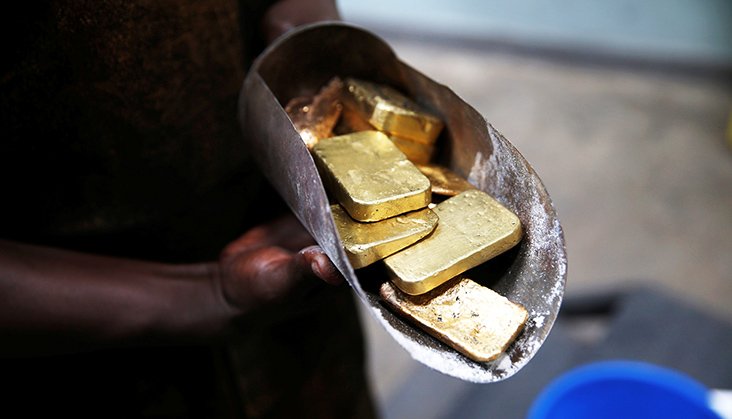
However, Africa’s mineral wealth has not translated proportionately into industrial development. Much of the continent’s minerals continue to leave as raw or relatively unprocessed materials, with higher-value processing and manufacturing taking place elsewhere.
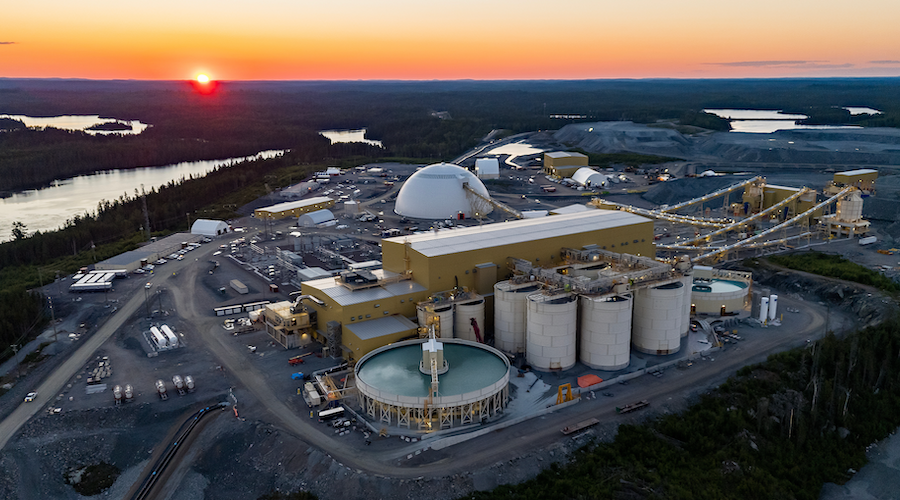
This is increasingly shifting the focus from simply expanding mining production to developing processing, refining, manufacturing and recycling capacity within Africa.
Building Value Beyond Mining
Greater domestic processing could increase the economic value retained by African countries while creating demand for technical skills, infrastructure and local businesses.
Research commissioned by the UN Economic Commission for Africa has highlighted the potential for competitive downstream industries. A proposed 10,000-tonne battery precursor plant in the Democratic Republic of Congo, for example, was estimated to cost around $39 million, significantly below the cost of a comparable facility in the United States.
Such opportunities suggest that Africa’s competitive advantage could extend beyond mineral extraction into parts of the downstream battery and technology supply chain.
Infrastructure remains a major factor in determining whether this potential can be realised. Roads, railways, ports and reliable electricity are essential not only for mining operations but also for processing and manufacturing.
Exploration investment is another challenge. Africa continues to attract less mineral exploration spending than major mining jurisdictions such as Australia and Canada, despite its considerable geological potential.
Regional cooperation could help overcome some of these limitations. Individual African countries may lack the capital, infrastructure or domestic market size needed to establish complete mineral value chains, while neighbouring countries can combine resources, infrastructure and industrial capabilities.
Mining and industrial clusters could connect mines with rail networks, power systems, processing facilities, industrial parks and training institutions, potentially lowering production costs while supporting employment and local enterprise development.
Energy and Skills Critical to Downstream Growth
Reliable and affordable energy will also be essential as Africa seeks to expand mineral processing. Refining and manufacturing require substantial amounts of electricity, making the continent’s renewable energy potential increasingly relevant to its critical-minerals strategy.
Southern Africa, in particular, has significant solar and hydropower resources that could support mineral processing and manufacturing if sufficient generation and transmission infrastructure is developed.
The development of downstream industries will also require skilled workers. Training, technology transfer and stronger technical institutions will therefore be important components of any strategy aimed at retaining more mineral value within Africa.
Mining communities are another important part of the equation. Greater local procurement, employment, skills development, environmental protection and transparent revenue-sharing mechanisms could help ensure that mineral development delivers broader economic benefits.
India Sees Opportunity for Deeper African Partnership
The growing importance of critical minerals is also creating opportunities for stronger India–Africa cooperation.
India is seeking to diversify its critical-mineral supply chains as its energy transition and industrial development increase demand for strategic minerals. African countries, meanwhile, are seeking investment, technology, infrastructure and expertise to develop more value-added mineral industries.
Potential areas of cooperation include exploration, geological data, technical training, renewable energy, mineral processing, infrastructure and regional supply chains.
The relationship could therefore extend beyond securing access to raw materials. Indian companies and institutions could potentially contribute technology, skills and affordable industrial solutions while African countries pursue greater domestic processing and manufacturing.
The BRICS framework could provide another platform for cooperation. Critical minerals have become part of the grouping’s economic agenda, with discussions focusing on reliable, diversified and sustainable supply chains as well as value addition and economic diversification in resource-rich countries.
For Africa, the critical-minerals opportunity ultimately depends on what happens after resources are extracted. Better geological information, infrastructure, reliable energy, skilled workers, processing capacity and regional cooperation will determine how much economic value the continent can retain.
The global energy and technology transition provides an opportunity for Africa to move beyond its traditional role as a supplier of raw materials and develop stronger mineral-based industries at home.
Share this content: