Uganda’s Mineral Potential Highlights Need for Long-Term Mining Finance
Africa’s growing mineral wealth is creating new opportunities to support industrialisation, but unlocking that potential will require stronger financial backing and greater investment across the mining value chain.
Uganda illustrates both the opportunity and the challenge. Recent geological surveys have identified commercially viable deposits of more than 50 mineral commodities, while the country’s untapped mineral wealth has been estimated at between $4 trillion and $12 trillion.
The growing global demand for critical minerals such as rare earth elements, graphite, lithium, nickel and copper has increased the strategic importance of African resources. However, mineral deposits alone do not guarantee economic development.

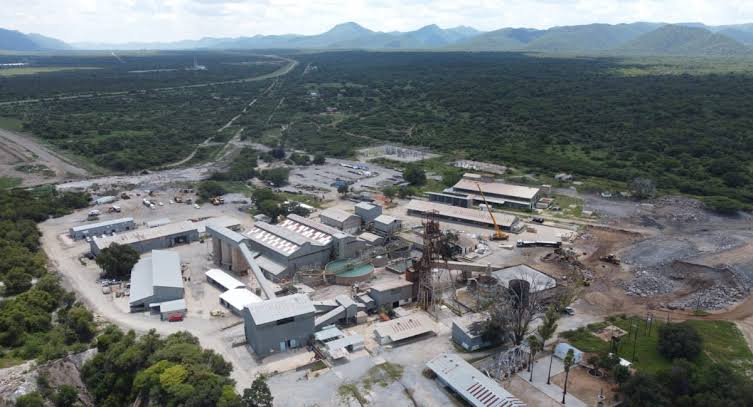
Turning geological potential into productive mining operations requires substantial investment in exploration, licensing, environmental and social assessments, equipment, energy, transport infrastructure and processing facilities.
Long-term financing is particularly important because mining projects can require years of investment before they generate significant returns. Financial institutions can therefore play a role beyond traditional lending by structuring transactions, mobilising international capital, managing risk and connecting mining projects with global investors.
Uganda has sought to strengthen its investment environment through the Mining and Minerals Act, 2022, geological mapping and ongoing policy reforms. These measures are intended to improve transparency, provide greater certainty for investors and encourage responsible mineral development.
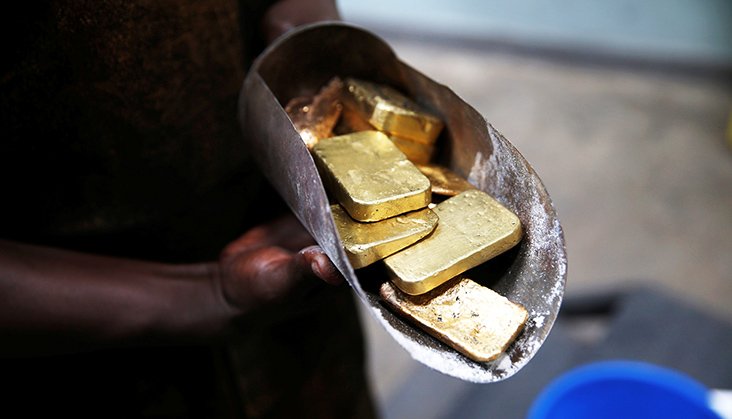
A key challenge across Africa, however, remains the limited amount of value retained within producing countries. Much of the continent’s mineral production is exported in raw or minimally processed form, leaving significant opportunities for additional economic activity further along the value chain.
Developing local processing and manufacturing would require investment in processing plants, industrial parks, transport corridors, reliable power supplies and specialised technologies. Such infrastructure could create skilled employment, strengthen domestic industries and increase export earnings.
Financial institutions are increasingly positioning themselves to support this transition. Stanbic Bank Uganda, part of Standard Bank Group, says it is seeking to support investments across the mining value chain through financing, advisory services and access to regional and international capital.
The bank has cited its involvement in the Makuutu Rare Earth Project as an example of using its wider African network to support access to international financing.
Responsible investment will also be critical as the mining sector expands. Environmental, social and governance considerations are becoming increasingly important to investors, particularly as projects involve land, water, communities and strategically important minerals.
Uganda’s artisanal and small-scale mining sector presents another area where finance could have an impact. More than 500,000 Ugandans are estimated to depend on artisanal and small-scale mining for their livelihoods, although many operators remain informal and have limited access to finance, technology and formal markets.
Greater access to financial services, business development support, technology and structured markets could help some artisanal miners develop more commercially sustainable operations while improving safety and formalisation.
The broader challenge extends beyond Uganda. Governments, mining companies, financial institutions and development partners will need to coordinate investment in exploration, infrastructure, processing and skills if Africa is to capture more value from its mineral resources.
As global demand for critical minerals increases, Uganda’s opportunity is therefore not limited to becoming a producer of raw materials. Greater investment across the value chain could support the development of processing industries, new businesses, employment and export capacity.
The central issue is how effectively Uganda and other African mineral-producing countries can mobilise the long-term capital and partnerships required to turn geological resources into productive industries and lasting economic value.
Share this content: