Grassroots Resistance Forces Chinese Gold Miners Out of Zimbabwe Community

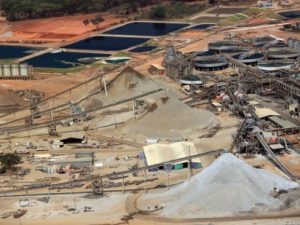
Communities in Zimbabwe and Mozambique are increasingly turning to grassroots action to challenge mining operations they say are damaging farmland, polluting waterways and threatening traditional land rights. A cross-border campaign along the Haroni River has reportedly forced a group of Chinese gold miners to abandon their operations, highlighting the growing role of local communities in confronting environmental damage linked to mining.
In Zimbabwe’s Chimanimani district, near the border with Mozambique, banana farmer and community elder Elias Mlambo raised concerns after mining excavators began working along the Haroni River in search of alluvial gold. Residents reported that the river water had turned brown and become contaminated with used machinery oil, raising concerns about the impact on farming, fisheries and surrounding ecosystems.
According to community members, the mining operators claimed to have government authorisation but did not produce permits when challenged. Residents also alleged that the activities threatened agricultural land, grazing areas and ancestral graves.

Mlambo and other villagers initially sought assistance from municipal authorities, lawmakers and Zimbabwe’s mines ministry, but said their complaints received little meaningful response. The community subsequently joined forces with Ndau-speaking residents across the river in Mozambique, where villagers reported damage to fish stocks and concerns about water quality.
The cross-border alliance adopted a combination of peaceful protests, public campaigning and economic pressure. Zimbabwean residents confronted workers at the mining site, while local businesses and transport operators reportedly refused to provide services to the miners. Meanwhile, communities in Mozambique petitioned provincial authorities to press Zimbabwe to address the alleged environmental damage.
The campaign gained momentum as residents on both sides of the border called for accountability and protection of the shared river system. In June 2026, the unidentified mining operators reportedly withdrew, leaving heavy equipment behind and communities facing the task of rehabilitating disturbed riverbanks, plantations and forest cover.
The mining manager disputed the suggestion that the operation was unlawful, telling the publication that the company had a permit and intended to return to mine in accordance with the law.
The Chimanimani case is part of wider community opposition to mining activities in rural Zimbabwe. In Mutoko, north of the district, residents have raised concerns about gold and black granite mining, including allegations of blasting damage to homes, environmental degradation and insufficient consultation with affected communities.
One resident, Urai Godo, said repeated blasting near her home had caused cracks in its walls and roof. In August, villagers reportedly confronted another group of miners after seeing preparations for blasting near residential areas. The workers subsequently stopped their preparations and left the site, according to residents.
Environmental governance remains a central issue in these disputes. Community representatives have criticised the response of Zimbabwean authorities, alleging that enforcement against irregular mining has been inadequate. Zimbabwe’s Environmental Management Agency did not respond to questions from the publication, while an unnamed senior official acknowledged the challenges faced by regulators in confronting well-resourced mining operators.
The developments underline the importance of effective environmental oversight, transparent mining permits and meaningful engagement with communities before mining projects proceed. For the mining industry, disputes over land access, water pollution and community consent can create operational and reputational risks, particularly where projects affect agricultural livelihoods and ecosystems shared across national borders.
Although the reported withdrawals represent local victories, the long-term challenge remains restoring damaged land and ensuring that mining activities comply with environmental requirements and protect the rights and livelihoods of affected communities.
Source: Waging Nonviolence, 9 October 2026.
Share this content: