China’s Mining Tunnel Boring Machine Sets New Excavation Benchmark at Zambia’s Chambishi Copper Mine
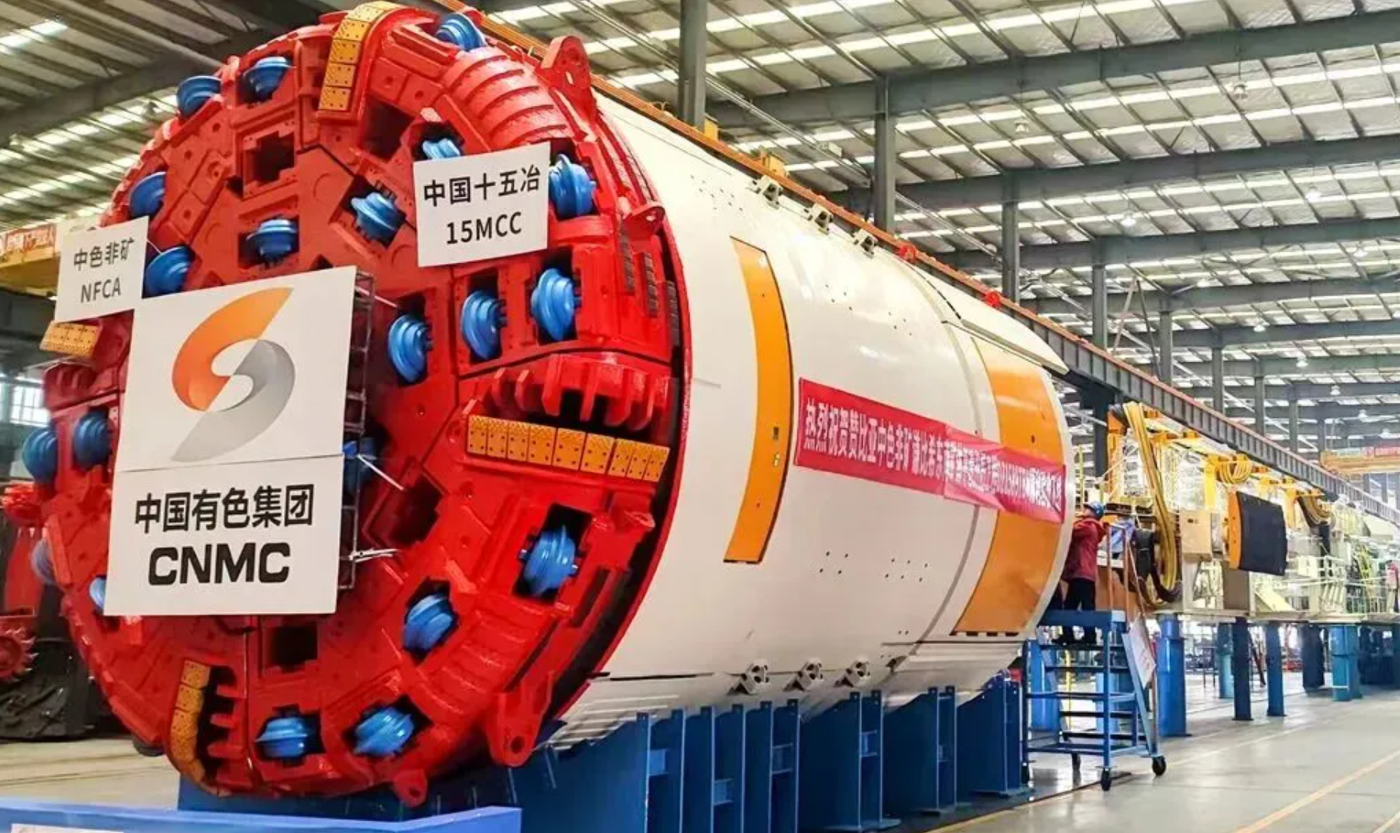
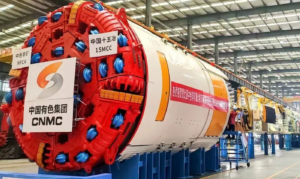
Africa’s first tunnel boring machine (TBM) designed for non-ferrous metal mining has recorded strong performance during trial operations at Zambia’s Chambishi copper mine, marking a significant step forward for mechanised and intelligent underground mining in the region.
The machine, named China Nonferrous Metals No. 2, was jointly developed by China Railway Construction Heavy Industry (CRCHI), a subsidiary of China Railway Construction Corporation, and China Metallurgical Corporation 15. The companies are also providing technical support, operation and maintenance services throughout the project.
During trial excavation between 26 August and 25 September 2026 at the Chambishi mine, operated by NFC Africa Mining (NFCA), the machine achieved monthly excavation footage exceeding 422.4 metres. Its maximum daily advance reached 42.2 metres, while excavation during a single shift exceeded 22.2 metres, according to CRCHI.

The results highlight the potential of specialised tunnel boring technology to improve excavation performance in Africa’s hard-rock mining operations.
Technology Adapted to Deep Underground Conditions
Operating approximately 1,000 metres underground at Chambishi presents significant engineering challenges, including extremely hard rock, rapid tool wear in quartzite formations, high underground temperatures and complex working conditions.
CRCHI and its partners developed a customised adaptation programme to address these challenges. The work included equipment structural optimisation, operating parameter adjustments and specialised upgrades designed to improve performance under the demanding conditions associated with non-ferrous metal mining in Africa.
The equipment was tailored to the mine’s geological and operational requirements, with the objective of improving excavation efficiency while maintaining safe and reliable underground operations.
Improvements to Cooling, Ventilation and Maintenance
CRCHI’s technical team remained on site throughout the trial excavation period, working to resolve operational challenges and improve the machine’s performance.
Among the measures implemented were improvements to the handling of excavated rock and debris, alongside upgrades to supporting ventilation and cooling systems. These adjustments were intended to improve the underground working environment and reduce the operating load on the equipment.
The team also developed tool-replacement schedules, equipment maintenance procedures and surrounding-rock support plans based on the wear patterns encountered during hard-rock excavation.
These measures were designed to support continuous machine operation while maintaining safety standards and helping local employees gain experience working with advanced mining equipment.
Advancing Mechanised Mining in Africa
According to CRCHI, the successful trial validated the customised development approach and technical performance of the China Nonferrous Metals No. 2 machine. The company also highlighted the value of combining equipment supply with technical expertise, operational support and maintenance services.
The project represents a potential advance in the use of mechanised excavation technology in Africa’s non-ferrous mining sector, where deep underground operations and difficult geological conditions can complicate conventional development work.
For Zambia, a major copper-producing country, the deployment demonstrates the growing application of specialised engineering technologies in underground mine development. The trial results could provide a basis for further assessment of tunnel boring machines in similar hard-rock mining environments across the continent.
Share this content: