Africa’s Artisanal Miners Face Growing Role in Energy Transition Mineral Supply Chains
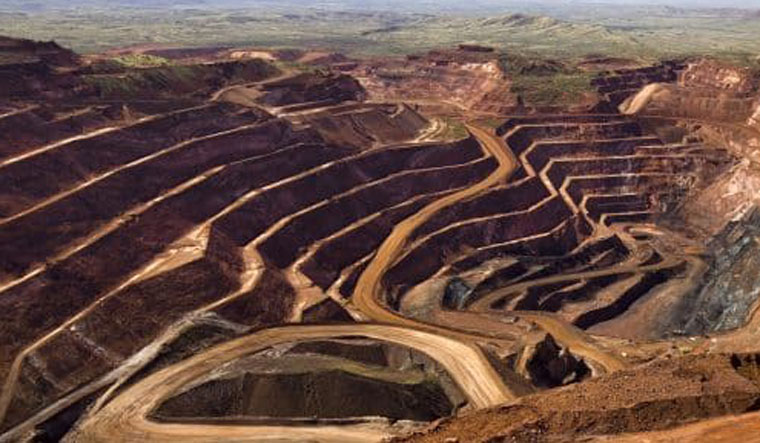
Africa’s artisanal and small-scale miners could become increasingly important suppliers of minerals needed for the global energy transition, but improved access to finance, technology and formal markets will be essential to ensure mining communities benefit from rising demand.
A white paper published by the Natural Resources Defense Council (NRDC) on October 23, 2026, examines how growing demand for energy transition minerals is reshaping artisanal and small-scale mining (ASM) across the continent.
Minerals such as cobalt, copper, lithium, tin, tantalum, tungsten and platinum group metals are important to clean energy technologies and electrification. As demand increases, African countries with significant mineral resources are positioned to play a larger role in supplying global markets.

The report estimates that more than 10 million people work directly in artisanal and small-scale mining across sub-Saharan Africa, with at least another 60 million relying indirectly on the sector for their livelihoods.
Regional Mineral Supply Chains Are Expanding
The growth of energy transition mineral production is uneven across Africa, reflecting differences in geological resources and established mining activities.
The Great Lakes region remains important for tantalum, tin and tungsten, while the Central African Copperbelt is a major source of cobalt and copper. Southern Africa is gaining prominence in minerals including chromium, graphite and lithium, while West Africa could assume a greater role in future supply chains.
However, the report notes that stakeholders do not always agree on which minerals should be considered critical. International buyers often prioritise secure supplies for clean energy technologies, while African governments place greater emphasis on industrialisation, domestic processing, employment and public revenue.
These different priorities can influence how mineral resources are developed and whether small-scale operators gain meaningful access to emerging markets.
Formalisation Must Address Miners’ Practical Needs
Despite its economic importance, artisanal and small-scale mining faces persistent challenges, including informal operations, environmental damage, unsafe working conditions and illicit trading. Women also face barriers to accessing finance, equipment and decision-making roles.
The report argues that formalisation can improve working conditions, environmental management and market access, but only when regulations reflect the realities of small-scale mining.
Legal requirements alone may not be enough. Miners also need access to financing, geological information, suitable technology, technical support and reliable buyers. Without these resources, complicated compliance procedures could exclude operators rather than help them develop sustainable businesses.
Initiatives such as planetGOLD, which focuses on improving artisanal and small-scale gold mining, offer lessons on combining international cooperation with locally appropriate technologies and practical incentives.
Making the Energy Transition More Inclusive
Africa’s growing importance as a source of transition minerals presents an opportunity to strengthen local economies, but the benefits will depend on how mining is governed and how value is distributed across supply chains.
The NRDC report argues that artisanal miners and their communities must be included in decisions about financing, environmental protection and mineral markets if the transition is to be both sustainable and inclusive.
For African governments, this means balancing responsible resource management with policies that allow small-scale operators to participate legally and commercially. For buyers and investors, it means considering the working conditions and economic circumstances of the communities supplying their minerals.
As global demand for transition minerals rises, integrating artisanal miners into responsible supply chains could help support livelihoods while improving environmental and labour standards across Africa’s mining sector.
Share this content: