Africa’s Critical Minerals Boom Could Drive Industrialisation Through Local Processing
Africa has an opportunity to turn growing global demand for critical minerals into long-term industrial growth by investing in local processing, manufacturing and regional supply chains, according to an industry expert writing for African Mining Market.
Demand for minerals such as lithium, cobalt, graphite, manganese, copper, titanium and rare earth elements is increasing as countries expand clean energy technologies, digital infrastructure and artificial intelligence. Africa holds significant resources of many of these minerals, but much of their economic value is lost when they are exported with limited processing.
Estimates cited by Sulaiman Cisse, vice-president of project development and technical solutions at the Africa Finance Corporation (AFC), indicate that less than 10% of Africa’s lithium, graphite, copper and gold is processed locally for batteries and other applications. Africa processes only around 3% to 5% of its graphite, an important material used in battery anodes.

Cobalt is a partial exception, with approximately 20% processed locally, although Cisse notes that this has occurred amid strong geopolitical and environmental, social and governance pressures.
Moving beyond raw mineral exports
Africa’s limited mineral processing capacity reflects a wider industrial challenge. The African Development Bank’s 2025 Africa Industrialisation Index reports that the continent accounts for less than 2% of global manufacturing and 1.4% of manufactured exports.
Dependence on unprocessed commodities also exposes mineral-producing economies to fluctuations in international prices. Zambia, for example, relies heavily on copper, which accounts for an estimated 10% to 15% of its gross domestic product and 70% to 80% of export earnings.
Developing local processing capacity could help countries capture greater value from their resources, create skilled employment and establish supporting industries that are less dependent on commodity price cycles.
Africa already has policy frameworks intended to support this transition. The African Mining Vision, adopted by African Union heads of state in 2009, called for stronger links between mineral extraction, beneficiation and manufacturing. The African Union’s Green Minerals Strategy, published in 2025, also emphasises adding value where minerals are sourced.
The challenge, according to Cisse, is turning these ambitions into commercially viable projects.
South Africa’s titanium processing opportunity
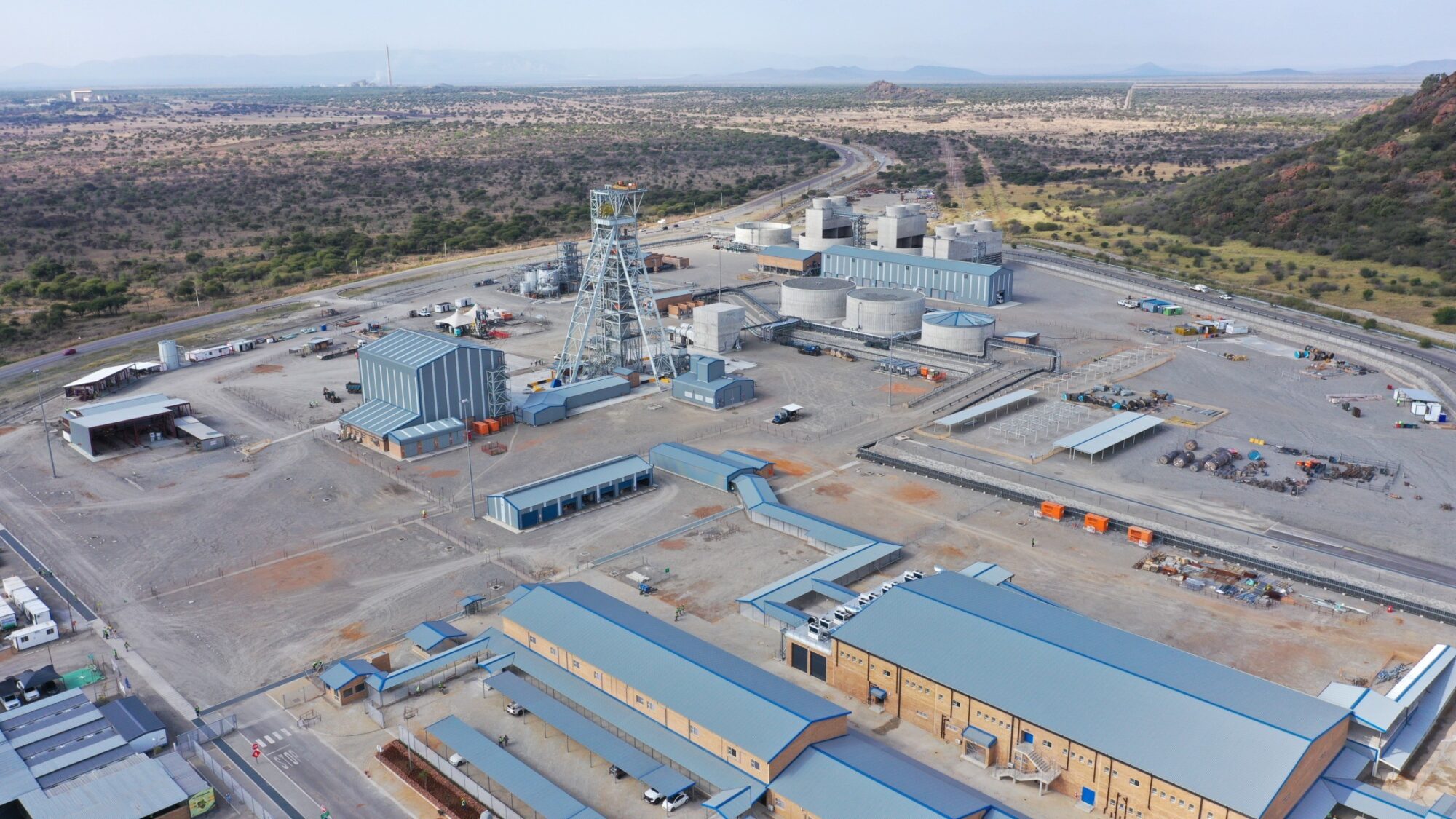
The planned Nyanza Light Metals titanium dioxide pigment plant in South Africa illustrates how mineral beneficiation could support industrial development.
South Africa has substantial reserves of titanium-bearing minerals, yet Africa has historically relied on imported titanium dioxide pigment and titanium metal. Ilmenite, a key raw material, has been exported for less than US$300 per tonne, while titanium dioxide pigment can sell for more than US$3,000 per tonne, highlighting the potential value added through processing.
The Nyanza project, valued at approximately US$850 million, is designed to produce 80,000 tonnes of titanium dioxide pigment annually at the Richards Bay Industrial Development Zone. According to Cisse’s article, construction has begun, with production expected within 36 months of the commencement of the project’s construction phase.
The project has received support from South African government institutions and development finance partners, including the AFC and Afreximbank. In October 2025, the African Development Bank approved US$75 million in senior debt participation.
The development is expected to create construction jobs and permanent positions, while reducing reliance on imported pigment and supporting export earnings. Its proposed next phase includes a battery-grade lithium iron phosphate project aimed at energy storage, electric mobility and AI infrastructure.
Financing and regional markets are critical
Cisse identifies several conditions needed to replicate such projects across Africa: early public investment to reduce development risks, well-equipped special economic zones, involvement from development finance institutions and access to markets large enough to absorb locally processed output.
Regional trade will be particularly important. According to the African Development Bank figures cited in the article, intra-African trade accounts for 14.4% of the continent’s total trade, compared with 60% in Asia.
Full implementation of the African Continental Free Trade Area could help manufacturers and mineral processors reach customers across multiple countries, making projects more commercially viable than reliance on individual domestic markets alone.
For Africa’s mineral-producing economies, the opportunity extends beyond extracting more resources. Building processing plants, developing technical expertise and linking mining to manufacturing could create broader economic benefits from the global critical minerals boom.
Achieving that outcome will require governments, investors and regional institutions to move beyond policy commitments and develop projects that can secure financing, compete commercially and sustain production over the long term.
Share this content: