Africa’s Geological Data Becomes Strategic Battleground as Russia, US and Europe Compete for Mineral Intelligence

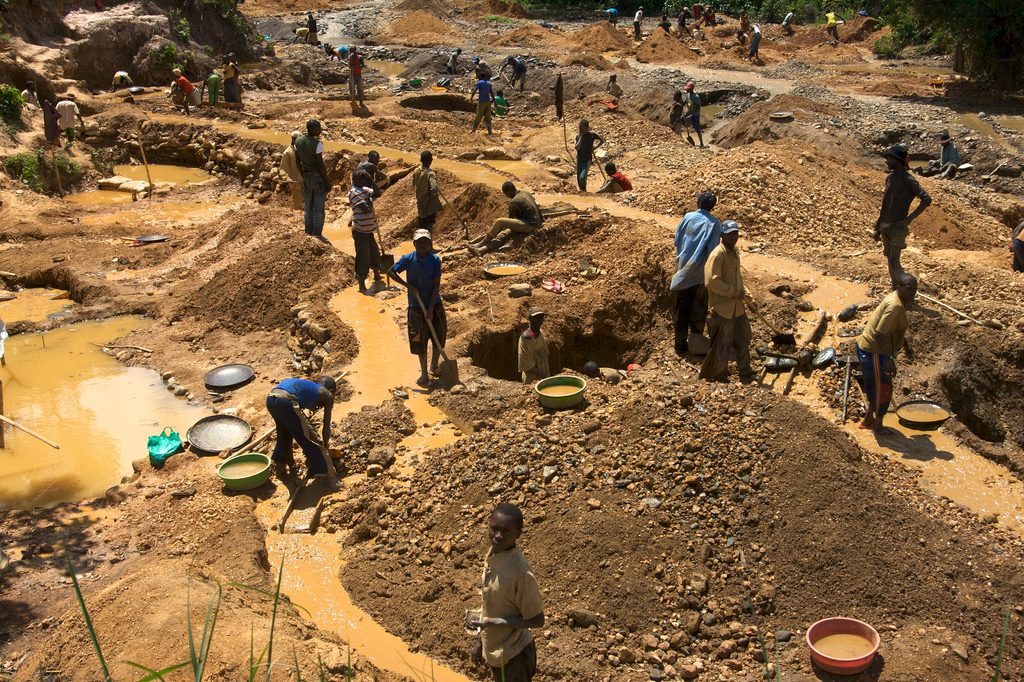
Competition for access to Africa’s geological data is intensifying, with Russian, American and European companies expanding efforts to map mineral resources and digitise historical records that could reveal deposits of gold, lithium, cobalt and other strategic minerals.
The latest development is an agreement between Russian state-owned geological company Rosgeologiya and Mali’s Ministry of Mines to map more than half of the West African country’s territory and establish a digital system for managing geological information.
The agreement was signed on the sidelines of the Russia-Africa forum in Moscow, as Mali seeks to identify and develop mineral resources beyond its established gold industry, including lithium.

Under the deal, Rosgeologiya’s overseas projects unit, Zarubezhgeologia, will produce geological maps covering two areas that together account for more than half of Mali’s territory. The work will identify zones considered promising for future mineral exploration.
The project will also involve developing a digital platform to manage geological data, mineral licences and mining oversight.
Zarubezhgeologia chief Alexey Desyatkin said the initiative would make information about Mali’s mineral resources more accessible and transparent, including for potential investors.
Russia expands geological presence in Africa
Russia’s involvement in African geological mapping extends beyond the latest Mali agreement. Rosgeologiya, through Zarubezhgeologia, has undertaken or pursued mapping projects in Sudan, Equatorial Guinea, Angola and the Central African Republic. The wider group has also reported mineral prospecting work in Algeria.
The expansion comes as Mali’s military-led government deepens cooperation with Moscow following the 2020 coup, strengthening ties in areas including security, mining and energy while moving away from traditional Western partners.
Neighbouring Burkina Faso and Niger have also strengthened their relationships with Russia, adding a geopolitical dimension to the competition for access to the region’s mineral resources.
US and European companies pursue geological intelligence
Russia is not alone in seeking a clearer picture of Africa’s mineral wealth.
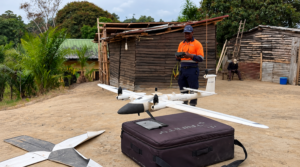
In the Democratic Republic of Congo (DRC), Spain’s Xcalibur Smart Mapping launched a three-year geological and geophysical survey programme in October, covering nearly 700,000 square kilometres.
The DRC is also developing a national geological database, with sensitive information expected to remain under government control.
Meanwhile, US-based mineral exploration company KoBold Metals has sought to digitise colonial-era geological documents held at Belgium’s AfricaMuseum. The historical records could provide information to help identify deposits of copper, cobalt, lithium and other minerals in the DRC.
The initiative has prompted a dispute over access to the archives and their potential commercial use. A separate digitisation project backed by the European Union is also under way.
Control of geological data becomes increasingly important
The growing international interest highlights the strategic value of geological information in Africa’s mining sector.
Detailed geological maps and digitised historical records can help governments identify mineral deposits, determine exploration priorities, improve licensing processes and attract investment. They can also give companies a better understanding of where to direct exploration spending.
However, the growing involvement of foreign entities raises questions about ownership, access and control of information that could influence the future development of national mineral resources.
For African governments, geological data is more than a technical resource. It can shape investment negotiations, licensing decisions and the terms under which mineral wealth is developed.
As international competition for critical minerals intensifies, the ability of African countries to build and manage their own geological databases could become an increasingly important part of their efforts to retain control over mineral intelligence and secure greater value from their natural resources.
Share this content: