Togo’s Mining and Extractive Industries Output Jumps 20.9% in Second Quarter of 2026
Togo’s extractive industries recorded 20.9% growth in the second quarter of 2026, reversing a 0.8% contraction during the same period last year and contributing to a 7.5% increase in industrial output, according to the country’s National Institute of Statistics and Economic and Demographic Studies (INSEED).
The figures, published by the government on 18 November, highlight the growing contribution of mining, quarrying and manufacturing to Togo’s economic activity, supported by phosphate production, cement raw materials and expanding industrial operations near the capital, Lomé.
The extractive sector is primarily driven by phosphate, limestone and clinker production. Key operators include the state-owned Société Nouvelle des Phosphates du Togo (SNPT) and cement materials producer Scan Togo.

Manufacturing also recorded significant growth during the quarter. Production of textiles, clothing, leather and footwear increased by 20.5%, compared with 10.4% in the second quarter of 2025. Food processing expanded by 14.4%, up from 1.7% a year earlier, while chemical production grew by 9.9%.
The government attributed much of the manufacturing expansion to activity at the Adetikope Industrial Platform (PIA), an industrial park located north of Lomé.
The expansion of industrial activity also increased government revenue. According to INSEED, the secondary sector contributed 20.8 billion CFA francs (approximately US$37 million) in tax revenue during the second quarter, up from 17.2 billion CFA francs in the corresponding period of 2025.
However, not all industrial activities experienced growth. Wood, paper and cardboard production declined by 4%, following a 0.3% contraction a year earlier. Construction materials output fell by 5%, reversing growth of 6.5% recorded in the second quarter of 2025.
Services and agriculture record mixed performance
Services, which represent the largest part of Togo’s economy, grew by 7.4%, slowing from 9% during the same quarter last year.
Agriculture and the broader primary sector accelerated to 4.4% growth from 3%, with the government attributing the improvement partly to public investment in agricultural mechanisation.
Fishing and aquaculture also strengthened, expanding by 4.5%, compared with 2.2% a year earlier.
INSEED did not publish an overall gross domestic product growth rate for the quarter alongside the sector figures.
Economic outlook and investment priorities
Togo’s National Credit Council has forecast economic growth of 6.5% in 2026, up from 6.2% in 2025, according to Togo First. The World Bank projected growth of 5.4% for 2026 in September 2025.
The International Monetary Fund (IMF), which operates an Extended Credit Facility programme with Togo, reported that economic growth reached approximately 6% in 2025 but warned of a potentially slower outlook and higher inflation in 2026, partly due to tensions in the Middle East.
The government is looking to increase local processing of phosphate, the country’s main export, to retain more value from its mineral resources and strengthen the contribution of the extractive sector to economic development.
Energy infrastructure is also part of the country’s industrial development agenda. A US$160 million ECOWAS-backed electricity project designed to connect approximately one million people in Togo and The Gambia became effective in October 2026.
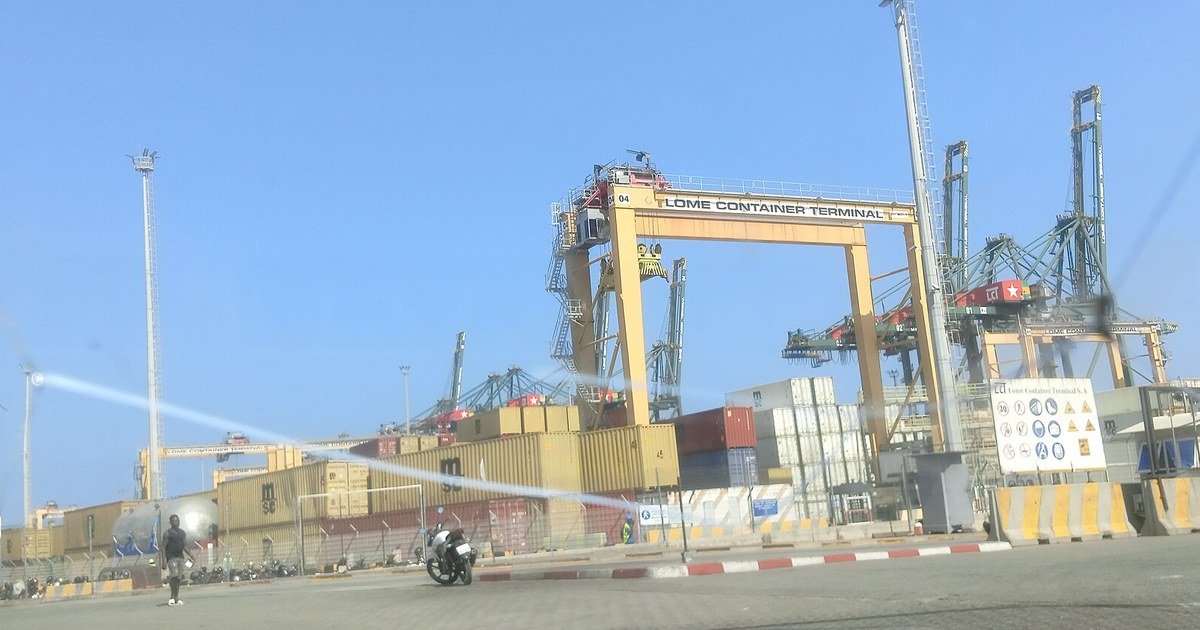
The Port of Lomé, a deep-water facility that also handles cargo for landlocked countries in the Sahel, remains important to trade and the services economy. Consequently, the slower growth in services could have implications for employment and public revenue even as industrial production expands.
Looking ahead, INSEED’s third-quarter national accounts will indicate whether mining and manufacturing can maintain their growth momentum amid the slowdown in services.
The government has also established a new administrative appeals commission for tax audits, allowing businesses to challenge tax assessments before pursuing court proceedings.
The second-quarter performance highlights the increasing contribution of Togo’s extractive industries and manufacturing activities to industrial growth, although sustaining this momentum will depend on investment, energy infrastructure, improved processing capacity and broader economic performance.
Share this content: