Zimbabwe Tightens Lithium Export Rules with 10% Sulphate-Based Tax as 2027 Ban Risks 1.4 Million-Tonne Stockpile
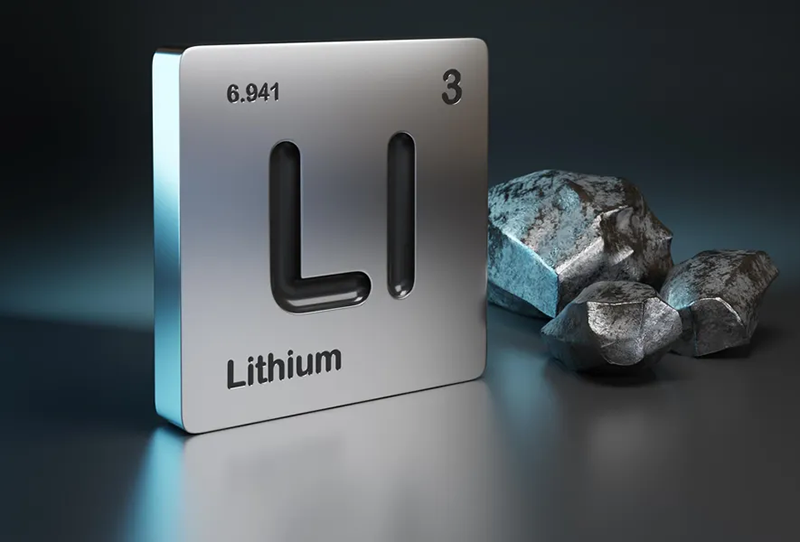
Zimbabwe is strengthening its lithium beneficiation requirements through revised export tax calculations and local procurement rules, as the government prepares to ban exports of unprocessed lithium concentrate in January 2027.
The measures are intended to increase domestic processing, support local manufacturing and ensure the country retains a greater share of the economic value generated from its mineral resources. However, mining companies have warned that insufficient processing capacity could leave as much as 1.4 million tonnes of lithium concentrate stockpiled by the end of 2027.
Finance Minister Mthuli Ncube announced the revised tax arrangements as part of the government’s efforts to prepare the mining industry for the planned export restrictions.

Under the arrangement, the existing 10% export tax on lithium concentrate will be calculated using the gross fair market value of the lithium sulphate that could be produced from the concentrate, rather than its actual selling price.
For tax purposes, benchmark-grade lithium concentrate containing 6% lithium will be assessed using a conversion ratio of five metric tonnes of concentrate to one metric tonne of lithium sulphate.
Importantly, the adjustment does not introduce a new 10% tax rate. The rate was already established under Zimbabwe’s 2025 Finance Act, which set the tax on lithium ore and concentrate using the value of recoverable lithium sulphate.
Exports of lithium sulphate will continue to attract a zero export tax, providing an incentive for mining companies to process more lithium locally before exporting it.
January 2027 export ban raises processing concerns
The planned January 2027 ban on lithium concentrate exports is placing pressure on mining companies to complete processing facilities and establish sufficient domestic capacity.
Zimbabwe has attracted significant investment from Chinese mining companies, including Zhejiang Huayou Cobalt, Sinomine and Sichuan Yahua, which are developing lithium processing operations in the country.
Huayou’s Zimbabwe operation has already begun producing and exporting lithium sulphate, demonstrating progress towards the government’s beneficiation objectives.
However, the country’s processing capacity remains a concern as the deadline approaches.
A Chamber of Mines survey projects that enforcing the export ban as scheduled could leave mining companies with approximately 1.4 million tonnes of lithium concentrate stockpiled by the end of 2027.
Mining companies have requested that the government postpone implementation until July 2027, allowing additional time to complete processing plants and increase operational capacity.
The government has not announced a postponement and the January deadline remains in place.
The potential stockpile highlights the risk of introducing export restrictions faster than the industry can develop the infrastructure required to process production domestically.
Local sourcing requirements target domestic manufacturing
Alongside the lithium export tax changes, Zimbabwe is also increasing local procurement requirements to strengthen links between mining operations and domestic manufacturers.
The government has announced that mining companies, government entities and other large businesses must source at least 15% of their inputs from local manufacturers.
The requirement is intended to create additional demand for Zimbabwean-produced goods, support domestic industries and increase the participation of local businesses in the mining value chain.
For lithium producers, the policy could create opportunities for local suppliers while supporting the development of a broader industrial base around mineral extraction and processing.
China remains Zimbabwe’s largest lithium market
Zimbabwe’s lithium policies have implications beyond its borders, particularly for China, which remains the country’s largest buyer of lithium concentrate.
Zimbabwe exported approximately 1.13 million tonnes of lithium-bearing spodumene concentrate to China in 2025, accounting for around 15% of China’s lithium concentrate imports that year.
The planned export restrictions could therefore affect established supply relationships and encourage greater investment in processing facilities within Zimbabwe.
China’s involvement in the country’s lithium industry remains significant, with companies including Huayou, Sinomine and Yahua investing in mining and processing infrastructure.
Balancing beneficiation ambitions with production capacity
Zimbabwe’s strategy reflects a broader effort by African mineral-producing countries to move beyond exporting raw materials and capture more value through local processing.
Lithium sulphate production provides an intermediate step towards developing a more integrated battery minerals industry, although further investment will be needed to establish additional downstream processing capacity.
The government’s challenge will be ensuring that export restrictions, taxation and local procurement requirements are supported by sufficient infrastructure, reliable electricity, technical expertise and investment.
The projected 1.4 million-tonne stockpile demonstrates the potential consequences of a mismatch between mining output and processing capacity.
As the January 2027 deadline approaches, the ability of mining companies to complete their facilities will be critical to maintaining production and export flows while meeting Zimbabwe’s domestic beneficiation requirements.
Share this content: