Sahara Group Urges African Investment in Energy Infrastructure to Unlock Greater Resource Value
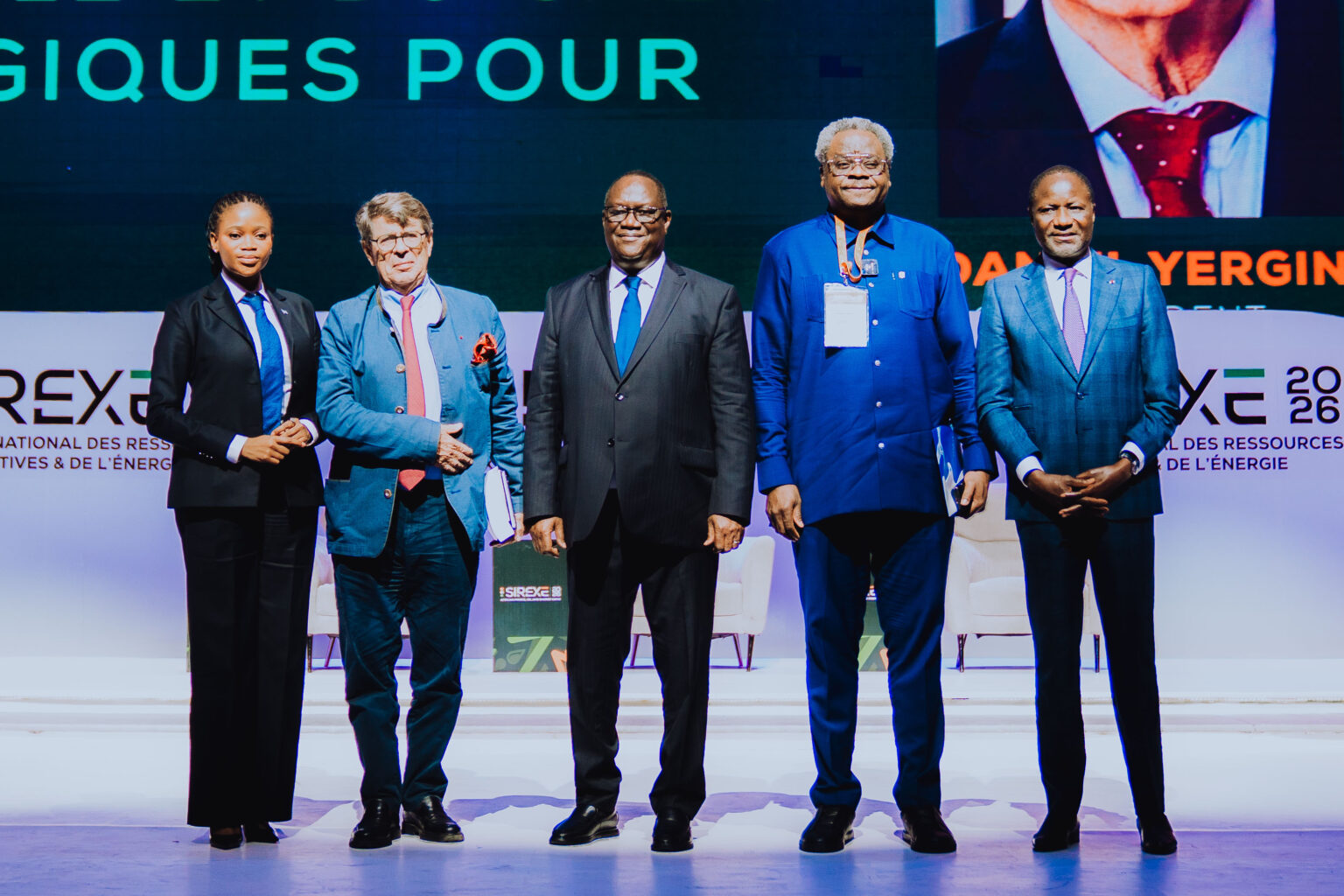
Image Source: Businessday.ng
Sahara Group is calling on African businesses and investors to increase domestic investment in energy infrastructure, arguing that the continent must move beyond exporting raw resources and importing finished products to capture more economic value from its natural wealth.
The appeal was made by Kola Adesina, Group Managing Director of Sahara Power Enterprise Group, during the 2026 Salon International des Ressources Extractives et de l’Énergie (SIREXE) in Abidjan, Côte d’Ivoire.

Speaking during a panel discussion on geopolitics and international oil and gas logistics, Adesina said Africa needed to prioritise investment in processing, storage, distribution and energy consumption infrastructure to support industrial development and job creation.
He argued that possessing abundant natural resources was not enough unless African countries developed the capacity to process and use them locally.
“Having natural resources is an advantage, but the real value lies in what we build around them,” Adesina said.
He added that African economies needed to reduce their dependence on exporting raw materials and importing finished products by developing industries capable of transforming local resources into economic opportunities.
Côte d’Ivoire partnership demonstrates local energy investment
Adesina highlighted Sahara Group’s partnership with Côte d’Ivoire’s national oil company, PETROCI, as an example of how African companies can work with local institutions to strengthen energy infrastructure.
The partnership focuses on improving the country’s liquefied petroleum gas (LPG) supply chain, strengthening supply reliability and expanding access to cleaner energy for households and businesses.
A key component is SAPET GAS, an 11,500-tonne LPG carrier introduced to improve the transportation and security of butane supplies into Côte d’Ivoire.
The partnership is also supported by investment in LPG storage infrastructure in Abidjan.
Through SAPET Energy, the two organisations are developing a 12,000-metric-tonne LPG storage facility, with further expansion planned.
According to Sahara Group, the infrastructure has helped reduce demurrage costs associated with LPG supply logistics, improve supply efficiency and widen access to cleaner energy.
Adesina described the partnership as an example of how local market knowledge, national development priorities, investment and operational expertise can be combined to address practical energy challenges.
He emphasised that the value of energy infrastructure extends beyond ownership of physical assets to the economic activities and services those investments make possible.
Building Africa’s energy infrastructure capacity
Sahara Group’s position highlights the need for African countries to strengthen their participation across the energy value chain, including transportation, storage, processing and distribution.
Greater investment in these areas could help reduce logistical constraints, improve energy availability and support industries that depend on reliable fuel supplies.
For African economies, developing domestic energy infrastructure also presents opportunities to create employment, strengthen local businesses and reduce reliance on imported finished products.
The company is encouraging greater participation by African investors in financing infrastructure projects that support long-term economic development and allow countries to capture more value from their natural resources.
The Côte d’Ivoire partnership illustrates how collaboration between private-sector investors and national energy companies can support the development of local energy markets.
Share this content: