Guinea Seeks to Turn Simandou Mining Wealth into Jobs and Economic Growth
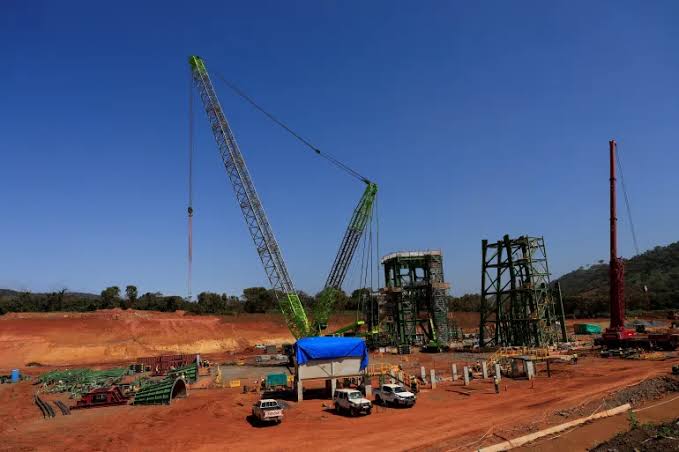
Guinea is looking to transform its vast mineral wealth into long-term economic benefits through investment in human capital, infrastructure and job creation, as the country’s massive Simandou iron ore project opens new opportunities for economic development.
The Simandou project, one of the world’s major untapped iron ore deposits, is expected to play an important role in Guinea’s economic transformation. However, translating mining revenues into broad-based prosperity will require investment beyond mineral extraction.
In an interview with CNBC Africa’s David Alabi, Marie-Chantal Uwanyiligira, World Bank Division Director for Côte d’Ivoire, Benin, Guinea and Togo, discussed how Guinea can use its mining opportunities to strengthen its economy and create lasting benefits for its population.

Simandou project offers opportunities beyond mining
The development of Simandou presents Guinea with opportunities to expand infrastructure, attract investment and strengthen its position in global mineral markets.
However, the long-term economic impact will depend on how effectively mining revenues are channelled into productive sectors of the economy.
Investment in transport infrastructure, education, healthcare and workforce development could help ensure that mining activities generate benefits beyond the mining industry.
Human capital and job creation are key priorities
Developing local skills and creating employment opportunities will be important to ensuring that Guineans participate in the economic opportunities generated by Simandou.
Investment in education, technical training and vocational skills could prepare local workers for employment in mining, construction, logistics, manufacturing and other supporting industries.
Stronger local supply chains could also create opportunities for domestic businesses and small enterprises.
Agriculture and infrastructure can diversify Guinea’s economy
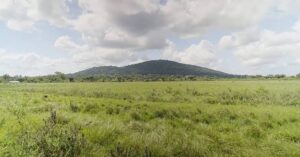
Beyond mining, agriculture represents an important opportunity for economic diversification and employment creation.
Investment in agricultural productivity, processing, transport and market access could help Guinea develop more competitive value chains while creating livelihoods beyond the extractive sector.
Infrastructure developed around Simandou could also support wider economic activity by improving connectivity and access to markets.
Turning mineral wealth into lasting prosperity
Guinea’s challenge is to ensure that the economic opportunities associated with Simandou translate into sustainable development, stronger institutions and improved living standards.
The discussions with the World Bank highlight the importance of treating mining revenues as an opportunity to build long-term productive capacity rather than relying solely on mineral exports.
By investing in people, infrastructure, agriculture and local businesses, Guinea can work towards a more diversified economy with broader employment opportunities.
The long-term significance of Simandou will therefore depend not only on how much iron ore the country produces, but also on how effectively its mineral wealth supports economic transformation and human development.
Share this content: