Africa’s Mineral Transition: Who Benefits from the Continent’s Critical Minerals?
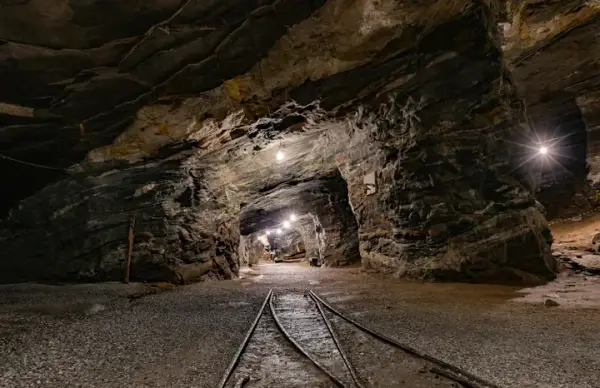
Africa is at the centre of the global clean energy transition, supplying critical minerals needed for electric vehicles, batteries and renewable energy technologies. However, despite its vast mineral wealth, the continent captures only a small share of the value generated by downstream processing and manufacturing.
The growing demand for cobalt, copper, manganese and lithium presents Africa with an opportunity to accelerate industrialisation, create jobs and strengthen economic development. The challenge is ensuring that mineral wealth translates into lasting benefits for African countries and their communities.
According to the International Energy Agency (IEA), Africa supplies approximately 70% of global cobalt, 75% of manganese and nearly 20% of copper, yet captures less than 1% of the value generated by manufacturing clean energy technologies and their components.

Africa’s critical minerals attract global investment
The global transition towards cleaner energy has increased demand for minerals used in electric vehicles, battery storage systems, electricity grids and renewable energy infrastructure.
The Democratic Republic of Congo (DRC) is a major cobalt supplier, Zambia produces copper, South Africa is an important manganese producer, while Guinea holds significant bauxite resources.
Major economies, including China, the United States and European countries, are seeking secure supplies of these strategic minerals.
This competition creates opportunities for African countries to attract investment, technology partnerships and infrastructure financing. However, securing mineral supplies does not automatically guarantee industrial development in producing countries.
Much of the value generated through refining, battery manufacturing and advanced technology production remains concentrated outside Africa.
Mineral beneficiation is key to Africa’s industrialisation
African countries are increasingly exploring ways to move beyond exporting unprocessed minerals.
Guinea is pursuing greater domestic alumina processing, Zimbabwe is seeking to expand lithium beneficiation, while the DRC and Zambia have opportunities to develop copper and cobalt processing industries.
However, establishing competitive mineral processing industries requires reliable electricity, transport infrastructure, skilled workers, investment capital and predictable policies.
Without these foundations, restrictions on raw mineral exports and investment incentives may fail to create sustainable industries.
Who benefits from Africa’s mineral wealth?
The distribution of economic benefits remains a central concern in Africa’s mining sector.
Mining companies generate profits from mineral production, while governments collect taxes, royalties and other revenues. Workers and local suppliers can also benefit from mining-related economic activity.
However, communities surrounding mining operations may experience land displacement, environmental pollution, water shortages and disruption of traditional livelihoods.
The resource curse theory highlights how countries can remain economically vulnerable despite significant natural resource wealth, particularly where governance, accountability and revenue management are weak.
Dependency theory also raises concerns about African countries remaining suppliers of raw materials while foreign companies control processing technologies, financing and higher-value manufacturing.
Africa could unlock US$120 billion in mineral value by 2040
The IEA estimates that developing high-potential African mineral value chains could increase the continent’s mineral market value to approximately US$120 billion by 2040.
This represents a significant opportunity, although achieving it will require coordinated investment and effective industrial policies.
African governments need to strengthen mining contract transparency, improve tax administration and ensure mineral revenues support infrastructure, education and economic diversification.
Investment agreements should also encourage technology transfer, local supplier development, workforce training and environmental protection.
Regional cooperation between mineral-producing countries could help create larger markets, attract industrial investment and strengthen Africa’s position in global supply chains.
Building a mineral transition that benefits Africa
Africa’s critical mineral resources offer an opportunity to reshape the continent’s economic future. However, the success of the energy transition should not be measured only by mineral exports and mining investment.
Greater emphasis must be placed on domestic processing, manufacturing, employment creation, skills development and community benefits.
Consumer countries and international financial institutions also have a role in supporting productive investment, infrastructure development and technology partnerships.
Ultimately, Africa must move beyond supplying the raw materials powering the global energy transition and develop the capacity to capture more value from its mineral resources.
The real measure of Africa’s mineral wealth will be how effectively it creates jobs, strengthens industries and improves the livelihoods of its people.
Share this content: