Eco Wave Power Explores 100 MW African Wave Energy Project After South African Feasibility Study
Renewable energy developer Eco Wave Power is exploring a potential expansion into Africa with a proposed wave energy initiative of up to 100 MW, following progress on its feasibility study at South Africa’s Port of Ngqura.
The Israel-headquartered company announced that its US subsidiary had received a letter of intent (LOI) from an undisclosed African electricity utility to explore the development of large-scale wave energy capacity.
The proposed initiative aims to assess the potential of ocean-based renewable energy to diversify electricity supplies, strengthen energy security and increase the contribution of clean energy to Africa’s electricity mix.

Although the utility and proposed project location have not yet been disclosed, Eco Wave Power described the opportunity as a significant step towards expanding its presence in the African renewable energy market.
The company and the utility are expected to hold further discussions on a proposed feasibility study examining suitable coastal locations, wave resources, electricity generation potential, grid integration and environmental considerations.
The assessment will also investigate commercial viability, preliminary capital and operating costs, opportunities for local workforce participation and a phased implementation plan.
South African project provides foundation for expansion
Eco Wave Power’s latest African opportunity builds on its work at the Port of Ngqura in South Africa’s Eastern Cape.
The company entered the South African market in July 2025 through an agreement with Africa Great Future Development Ltd. (AGFDL) to conduct a feasibility study for a potential wave energy project.
Completed in February 2026, the study identified approximately 8.3 MW of potential installed wave energy capacity along the port’s existing breakwater infrastructure, subject to further development and permitting assessments.
According to founder and chief executive officer Inna Braverman, the South African project provided valuable experience in evaluating how existing marine infrastructure could support wave energy generation.
The proposed 100 MW initiative would offer an opportunity to apply that experience to a substantially larger potential development.
Wave energy technology offers additional renewable energy potential
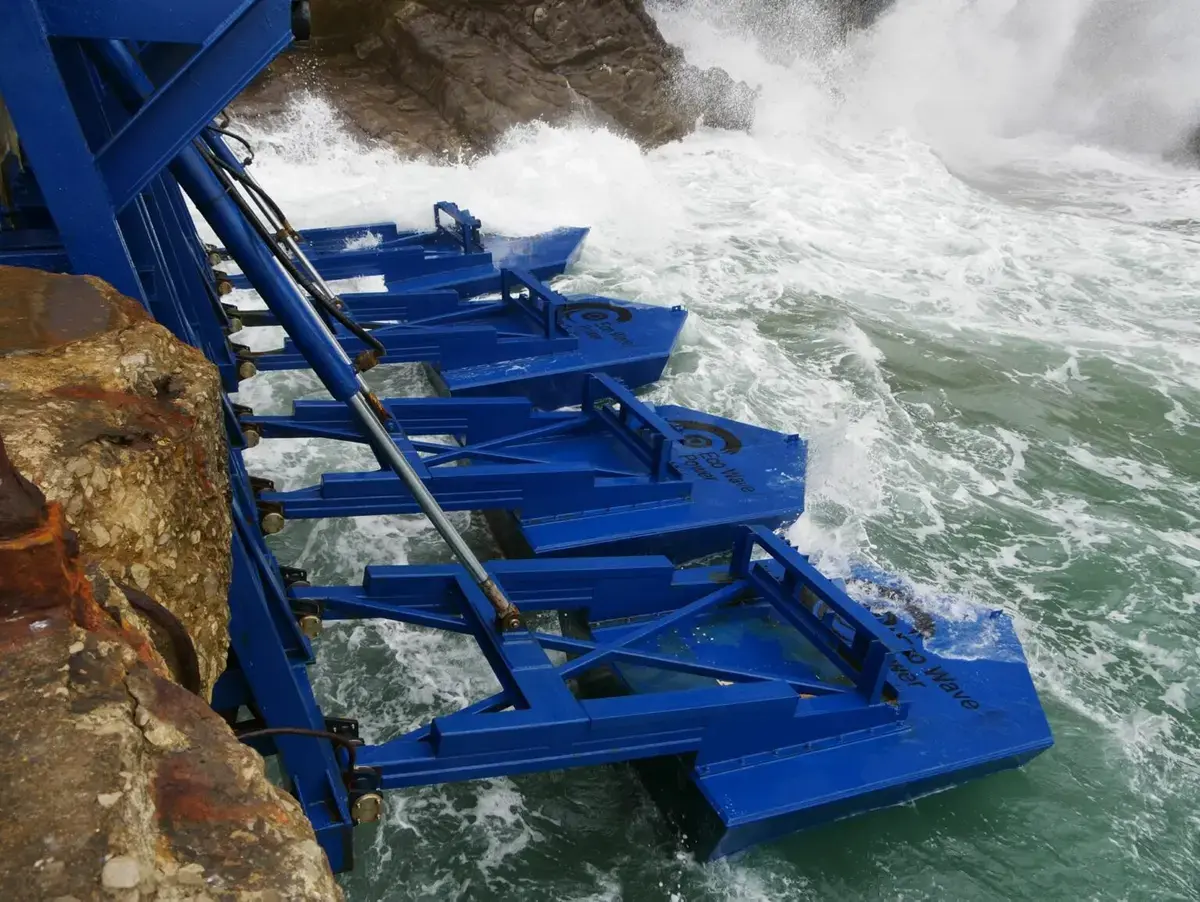
Eco Wave Power’s technology generates electricity from ocean and sea waves using floating devices attached to coastal structures such as breakwaters and jetties.
The movement of the floaters drives hydraulic energy conversion equipment located onshore, where electricity is generated.
The approach is designed to make use of existing coastal infrastructure while harnessing ocean resources to support renewable electricity generation.
Braverman said wave energy could offer coastal markets an additional opportunity to diversify electricity supplies and develop clean energy infrastructure closer to communities and industrial users.
However, the proposed African initiative remains at an exploratory stage. Progress will depend on feasibility and technical assessments, agreement on project scope and commercial terms, regulatory approvals, environmental and permitting requirements, definitive agreements and appropriate project financing.
The letter of intent does not represent a final commitment to construct or purchase a 100 MW facility, and the proposed capacity remains subject to further evaluation.
Global expansion strengthens company pipeline
Eco Wave Power is continuing to expand its international project portfolio. The company has developed and operates Israel’s first grid-connected wave energy power station and recently launched an onshore wave energy pilot station at the Port of Los Angeles in the United States, in collaboration with Shell Marine Renewable Energy.
Its wider international development pipeline includes projects in Portugal, Taiwan and India, with a combined potential capacity of up to 504.7 MW.
The proposed African initiative could further strengthen the company’s presence in emerging renewable energy markets, while highlighting the potential role of ocean energy in diversifying Africa’s electricity generation sources.
Share this content: